Right now, as you’re listening, about a third of adults are lying awake at night, exhausted but wired. One listener is staring at the ceiling, replaying tomorrow’s meetings; another is scrolling in the dark, hoping to feel drowsy. Both are tired—yet their brains refuse to “power down.”
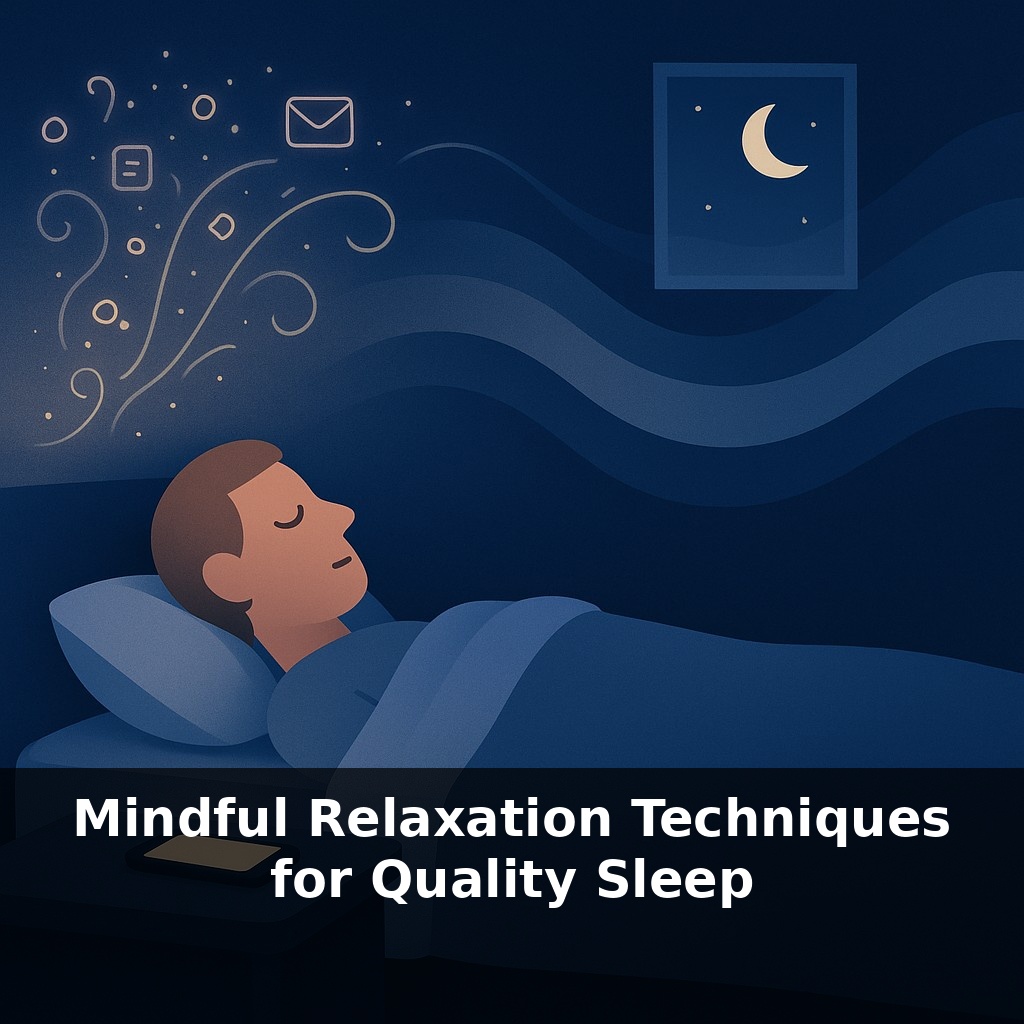
Up to 30% of adults wrestle with chronic insomnia, yet most of us still treat bedtime like an off‑switch we can just flip. We climb into bed straight from emails, bright screens, and late‑night problem‑solving—and then feel betrayed when sleep doesn’t instantly arrive. The missing piece is not more willpower, but a short, deliberate “cool‑down” sequence that tells your nervous system it’s safe to stand down. In this episode, we’ll explore a set of evidence‑backed relaxation techniques—slow breathing, guided imagery, meditation, and progressive muscle relaxation—that reliably shift your body into a sleep‑ready state. Think of them as a short pre‑game warm‑up that makes the main event smoother, faster, and more consistent. We’ll break down what to do in those crucial 10–20 minutes before lights out so you’re not just hoping for sleep, you’re setting it up.
Most of us were never taught how to “land” the day. We’re great at takeoff—coffee, deadlines, notifications—but bedtime often becomes an abrupt crash‑landing instead of a smooth descent. This is where a short, consistent pre‑sleep ritual comes in. Rather than treating those 10–20 minutes as dead time, you can use them as a kind of personal control panel: dialing down stress, easing out of planning mode, and shifting attention from doing to sensing. The goal isn’t to force sleep, but to create conditions where sleep shows up more reliably, like a train that finally starts running on schedule.
About 30% of adults struggle with insomnia, yet most still head to bed with nervous systems running in “daytime mode.” That mismatch is exactly where these practices shine. They don’t knock you out like a pill; they methodically shift your body’s settings—slowing breathing, loosening muscles, and quieting the stress chemistry that keeps your brain on high alert.
A useful way to think about these tools is as distinct “channels” you can tune before sleep. One channel works directly on the body, another on attention, another on imagery and emotion. When you combine them—even briefly—you’re hitting multiple inputs that all tell your system the same thing: it’s safe to downshift.
Slow, paced breathing is one such input. At around six breaths per minute, studies show a notable bump in heart‑rate variability, a sign your parasympathetic system is taking the wheel. Instead of trying to “relax” in the abstract, you’re giving your heart and lungs a concrete, rhythmic instruction they can follow, and your brain responds to that signal.
Guided imagery adds a different layer. Rather than looping through tomorrow’s to‑do list, you’re feeding the brain a rich, non‑threatening scene to occupy its processing power. Pairing that with nature sounds has been shown to dial down cortisol—your primary stress hormone—so the body isn’t bracing for action while you’re lying still.
Meditation, especially when it’s gentle and nonjudgmental, trains you to notice thoughts without chasing them. This matters at night, when “Is this working?” or “What if I’m exhausted tomorrow?” can spike arousal all over again. Over time, this practice changes your relationship to those thoughts: they become weather passing through, not problems to solve at 11:30 p.m.
Progressive muscle relaxation works from the outside in, cycling tension and release through the body. For many people, it’s easier to feel “relax your shoulders” after you’ve intentionally tightened them first. That contrast teaches your nervous system what “off” actually feels like.
Together, these methods function like a smart thermostat that slowly nudges your internal climate toward sleep: not dramatic, but precise, responsive, and—when used consistently—remarkably effective.
Think of this cluster of tools as an app bundle you can configure in different ways, depending on what’s keeping you up. Wired from late‑night emails? One person might run a “body‑first” sequence: three minutes of paced breathing, then a slow PMR scan from feet to forehead. Another, whose brain latches onto worries, might favor a “mind‑first” combo: a brief meditation, then guided imagery that shifts attention into a calm, vivid scene. Someone who wakes often at 3 a.m. might keep a shorter “emergency” version: six slow breaths, relax jaw and shoulders, then return to a familiar mental image. A college student with erratic hours could anchor these practices to a fixed cue—like starting them as soon as the bedside lamp clicks off—so the brain begins to associate that cue with “stand down.” Over a few weeks, you’re not just using techniques; you’re building a personalized, repeatable protocol you can adjust as your life, stressors, and schedule change.
As wearables, apps, and VR mature, your wind‑down could feel less like guessing and more like using noise‑canceling headphones for your nervous system. Sensors may quietly notice rising tension and suggest a tailored “micro‑reset” before bed or after a 3 a.m. wake‑up. Insurers are already eyeing these tools because calmer nights mean fewer clinic visits, less reliance on pills, and better focus at work—small, nightly tweaks stacking into a long‑term performance advantage.
Over the next few nights, notice which pieces of your wind‑down feel most natural—like finding the right playlist for a road trip. Some evenings you may need a longer “track list,” others just a short reset. Your challenge this week: swap one last scroll for 10 quiet minutes and treat it as an experiment, not a test you can pass or fail.