You can eat bacon, drop weight, and still get scolded by your doctor—all on the same diet. One person sees their blood sugar normalize; another feels exhausted and foggy. How can the same “keto” plan look like a miracle for some and a metabolic mess for others?
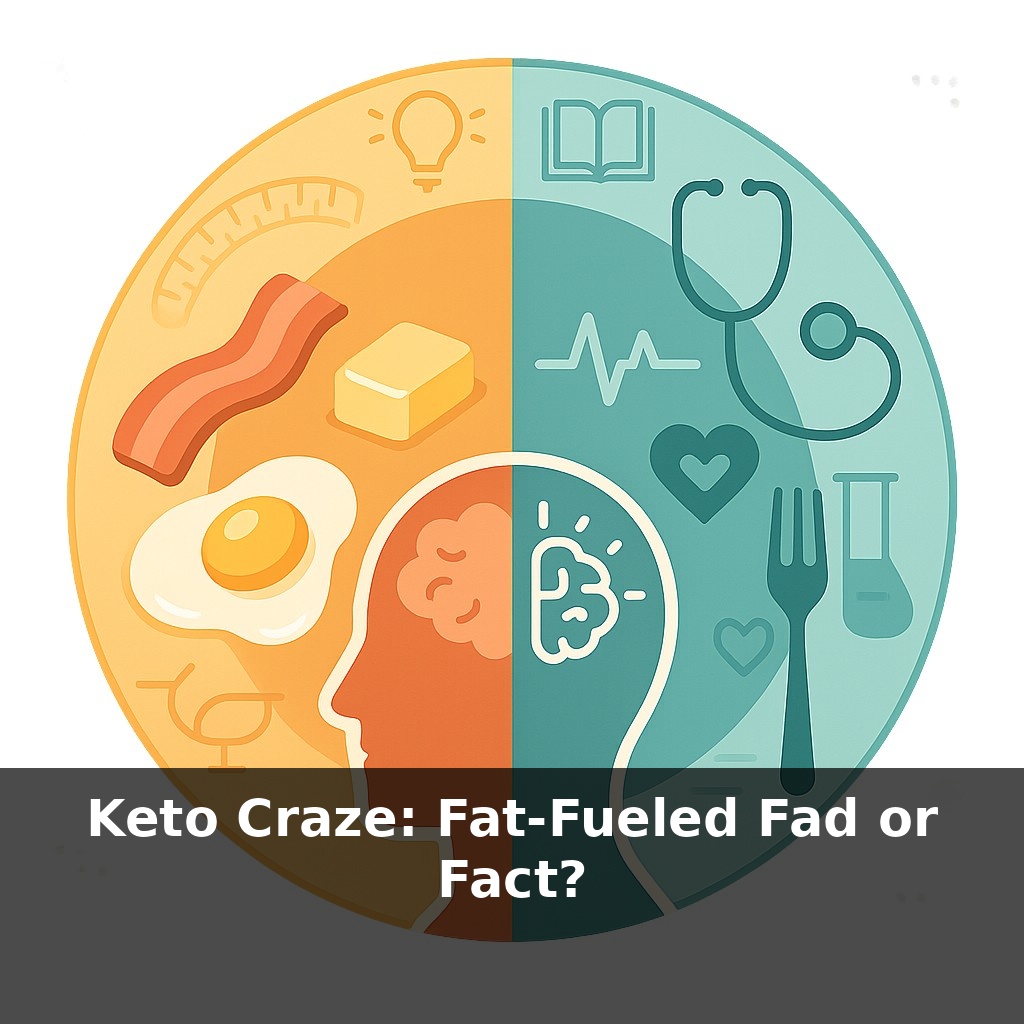
For some, the first week on keto feels like unlocking a hidden “performance mode”: appetite drops, energy steadies, the scale finally moves. For others, it’s headaches, “keto flu,” and staring longingly at a single grape like it’s contraband. Same rules, wildly different results. That’s where the hype collides with human biology. Under the hashtag gloss, keto isn’t one thing; it’s a spectrum—from strict medical therapy to casual “low-ish carb” with weekend cheat days. Your friend’s butter-laced coffee might fit their physiology, medications, and lifestyle—but scramble yours. Think of keto less as a universal blueprint and more as a rough sketch that needs redrawing around your sleep, stress, gut, hormones, and goals. In this episode, we’ll sort fad from fact and map out who’s most likely to thrive, who should be cautious, and what “smart keto” could look like.
So where does the “real” science land? Instead of asking, “Is keto good or bad?” it’s more useful to ask, “For whom, and for how long?” Clinicians don’t use one monolithic protocol; they dial carbs, fats, and proteins up or down like sliders on a mixing board, depending on whether they’re treating seizures, diabetes, excess weight, or stubborn brain fog. Research backs meaningful short-term wins for some of these goals, but the long game is murkier: heart markers, gut microbes, hormones, and even mood can shift in ways we’re only starting to chart. This isn’t a simple yes/no verdict; it’s a risk–benefit puzzle.
Think of keto research as three overlapping stories: what changes quickly, what may shift over months, and what we still don’t know over decades.
In the first 3–6 months, the pattern is strikingly consistent in trials: many people lose weight, appetite often drops without explicit calorie counting, and markers like fasting insulin and A1c tend to improve in those with insulin resistance. In Virta Health’s 2‑year data on type 2 diabetes, more than half of participants no longer met diabetes criteria while reducing or stopping medications. That’s not a minor tweak; it’s a clinical U‑turn. But these results came with intensive coaching, frequent lab checks, and personalized tweaks—not a DIY internet meal plan.
Zooming out to the 6–24 month window, the story gets more mixed. Some see triglycerides and HDL move in a favorable direction, yet LDL can jump substantially in a subset—especially in lean, active “hyper‑responders.” Two people can eat nearly identical menus and walk away with very different lipid panels. This is where “your numbers” matter more than keto ideology. A diet that leans on olives, avocado, nuts, seeds, and fish tends to produce gentler lipid shifts than one dominated by processed meats and butter‑heavy everything.
Then there’s the terrain we barely understand: long‑term cardiovascular outcomes, bone density, kidney health, and the microbiome. Shorter trials hint that certain gut bacteria decline when fermentable fibers are very low, while others adapt to using by‑products of fat metabolism. Whether that’s helpful, harmful, or neutral likely depends on where you started and how plant‑rich your keto pattern is. A plate that regularly includes non‑starchy vegetables, herbs, spices, and some low‑sugar berries is a different biological signal than one that’s beige, salty, and coming out of a wrapper.
Medically, there are clear “red flag” groups: people with a history of eating disorders, specific genetic lipid disorders, advanced liver or kidney disease, or those on insulin and sulfonylureas without close supervision. For others—especially with obesity or type 2 diabetes—keto can be a structured, time‑limited intervention, then gradually relaxed into a more moderate, still lower‑sugar pattern.
Your challenge this week: don’t change your diet at all. Instead, log three days of honest intake, then run it through a nutrition tracker to see your current carb load and fat sources. Only then ask: if you nudged your pattern lower‑carb, could you do it with more whole foods and unsaturated fats rather than just “more bacon”?
A tech company and an ultramarathon runner can both “go keto,” yet their dashboards look nothing alike. In clinic, one engineer used a continuous glucose monitor plus lab work every three months; small changes—swapping cream for olive oil, adding leafy vegetables—kept his LDL in check while his A1c fell. No dramatic overhaul, just iterative version updates. By contrast, an endurance athlete layered low‑carb training onto already high mileage; her sleep and cycle slipped before anyone noticed. Only when she tracked resting heart rate and recovery scores did the team realize she’d overshot and needed more carbohydrate around long runs.
In oncology trials, some patients test ketogenic patterns alongside standard care under strict supervision. Here, the aim isn’t aesthetics but nudging tumor metabolism—an experimental add‑on, not a replacement for chemo or radiation. Early case series are intriguing, yet researchers stress: outside trials, this belongs in the “do not DIY” category.
Across these examples, the through‑line isn’t hero foods; it’s feedback loops. The more you measure, the less you guess.
Keto’s future may feel less like “pick a diet” and more like “tune a settings panel.” Clinics could adjust your intake the way an engineer tweaks code: small pushes, quick lab checks, rollbacks if markers drift. Sports teams might periodize keto phases like training blocks, using it briefly, not endlessly. Food companies are already racing to design options that hit keto targets without anchoring you to bacon. And regulators may soon ask: when does “low‑carb” on a label cross from marketing into a medical claim?
In the end, keto is less a finish line and more a field test. You’re not signing a lifelong contract; you’re running a structured trial on your own biology. Maybe that means a strict phase, maybe just trimming sugar and flour. Your best move isn’t copying the loudest success story—it’s treating every tweak like a prototype and letting your labs, mood, and habits decide what stays.
Try this experiment: For the next 7 days, eat your usual meals but switch just breakfast to a keto-style plate—think 2–3 eggs cooked in butter or olive oil, half an avocado, and a handful of nuts, while skipping bread, juice, and sugary coffee creamers. Each morning, before eating and again 3 hours after breakfast, test your blood sugar with a cheap glucometer or use a continuous glucose monitor if you have one. Notice how your mid-morning energy, hunger levels, and focus feel compared to your normal carb-heavy breakfast week. At the end of the week, compare your glucose numbers and how you felt to decide whether a fuller keto trial is worth it for you.