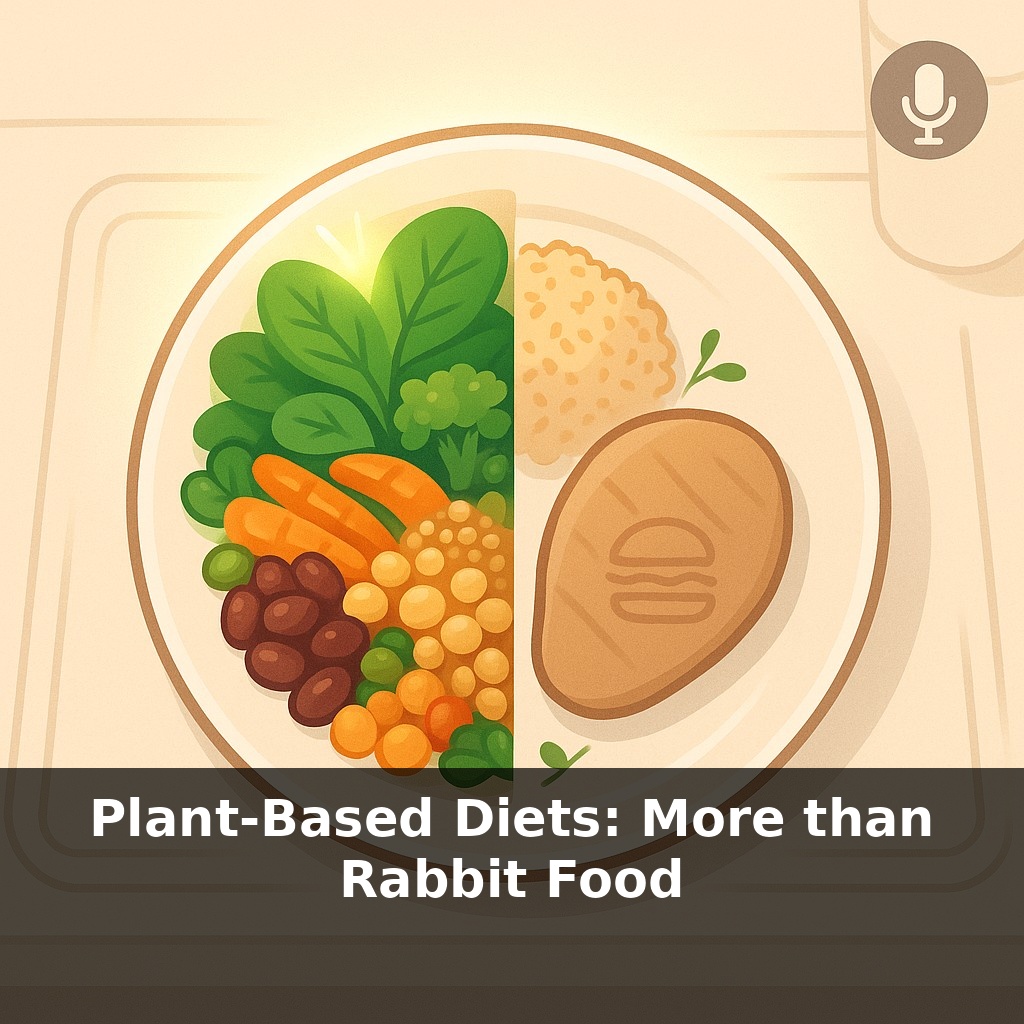
Half of your plate could slash your disease risk and carbon footprint, all without lab-grown burgers or pricey supplements. In office cafeterias and quick-stop diners, there’s an unnoticed revolution—many options could be quietly replaced by plants, subtly transforming meals.
Here’s where the story gets more interesting: plant-based eating isn’t just about swapping a burger for a bean patty. It’s about rethinking the “default setting” of your meals. Most of us build plates around the protein first—chicken, beef, cheese—then let everything else squeeze into the corners. Flip that script, and your grocery cart, budget, and even your social life start to shift in ways you might not expect.
Walk through any modern supermarket and you’ll see the change already underway: oat milk sharing shelf space with dairy, pea-protein yogurts nudging into the snack aisle, and fast-food chains quietly adding lentil- or bean-based options next to long-time favorites. Friends who once rolled their eyes at “rabbit food” now share TikToks of plant-based athletes, chefs, and influencers turning simple ingredients into meals that look more like comfort food than compromise.
Zoom in a little closer and the shift looks less like a food trend and more like a quiet redesign of your routine. Breakfast burritos get stuffed with black beans instead of sausage, coffee gets oat or soy by default, and office potlucks start featuring chili, curries, and grain salads that just happen to be meat-free. Athletes lean on lentils and pea protein to hit their macros; budget-conscious shoppers realize dried beans and frozen veggies stretch paychecks further than steaks. Even restaurant “sides” — roasted veggies, rice, hearty salads — start stepping up as the main event.
Here’s where the “rabbit food” stereotype really falls apart: once you start looking under the hood, plant-centric eating turns out to be more engineering than ideology.
At the most basic level, you’re asking three questions: - Where does my protein come from? - Am I covering my nutrient bases? - Can this actually fit into a normal, busy life?
Protein first. Instead of a single centerpiece like chicken breast, you’re stacking smaller sources across the day: tofu in a stir-fry, hummus in a wrap, lentils in a soup, edamame or roasted chickpeas as snacks, maybe a pea-protein shake after a workout. Hit roughly a palm-sized portion of something protein-rich at each meal and most people land in the 1.2–1.6 g/kg range that supports muscle and recovery. Athletes simply scale up portions or add an extra snack.
Covering nutrients is less about exotic powders and more about strategic pairings. Whole grains plus legumes quietly build a full amino acid profile over the day. A sprinkle of pumpkin seeds or walnuts boosts zinc and omega‑3s. Fortified plant milks, calcium-set tofu, and leafy greens stack up calcium. A B12 supplement (or fortified foods) acts as a simple insurance policy for anyone who’s mostly or fully plant-based.
Iron and energy are where many people worry most. The trick: pair iron-rich foods like lentils, beans, and tofu with vitamin C sources—tomatoes, bell peppers, citrus—to enhance absorption, and cook in cast-iron when you can. With that, many see better iron status than when they were relying on a single serving of meat and little produce.
Then there’s the social and sensory part: flavor and texture. Think chili loaded with beans and smoky spices, crispy tofu in a stir-fry, pasta tossed with lentils, olives, and roasted vegetables, or a grain bowl built around chewy farro, tahini sauce, and crunchy seeds. You’re not chasing an imitation of every meat; you’re expanding the roster so animal foods, if you keep them, become accents instead of anchors.
Like upgrading a phone’s operating system, the “hardware” of your routine looks familiar—same mealtimes, same kitchen, same budget—but the system runs smoother once you’ve updated what’s happening behind the screen: different defaults, smarter pairings, and more efficient use of your resources.
Think of your weekly routine like a sports team’s playbook. You don’t swap the entire roster overnight; you redraw a few key plays and let the stats guide you. One “play” might be a Tuesday-night pasta that quietly gets rebalanced: half the meat sauce becomes a mix of lentils and mushrooms, herbs stay the same, and nobody at the table complains because the flavor profile never changed. Another play: the usual burger outing becomes “two people order the black-bean option and everyone trades bites,” turning curiosity into low-stakes taste-testing instead of a moral referendum.
Real-world examples are everywhere: elite runners leaning on lentil stews and tofu scrambles to make weight classes without feeling drained; grandparents discovering that the chickpea curry their grandkids love is easier on their digestion than the old heavy roast. Even takeout shifts—Thai, Ethiopian, Middle Eastern—where the most satisfying dishes on the menu often happen to be built around legumes, grains, and vegetables by tradition, not trend.
Your challenge this week: run a three-meal “plant-first trial” without announcing it to anyone. Pick one breakfast, one lunch, and one dinner you already like, and nudge each of them just 30–50% more plant-centric—more beans, lentils, tofu, or nuts in place of some animal protein, or turning a familiar side into the main event. Pay attention to two things only: how full you feel two hours later, and whether anyone else at the table notices or complains. At the end of the week, decide which one of those small experiments earns a permanent spot in your playbook and repeat it on purpose next week.
Tomorrow’s “normal” menu may feel less like a diet and more like an upgraded app store. Precision‑fermented cheeses, hybrid meat–legume burgers, and campus cafeterias bidding on low‑carbon suppliers could quietly reset expectations of what a “standard” meal looks like. As big buyers—schools, hospitals, food chains—lean into these options, farmers may pivot toward high‑protein crops, and the recipes our kids learn first could hard‑wire a very different idea of comfort food.
Seen over months, tiny swaps start to feel less like rules and more like preferences—like realizing you actually crave the playlist you once tried as a background test. As your taste buds recalibrate, old standbys can feel oddly heavy, and the “option B” you tried out of curiosity becomes the dish you’d be disappointed not to see on the menu.
Try this experiment: For the next 5 days, make just your *lunch* fully plant-based and keep everything else in your diet the same. Rotate through themes the episode mentioned—like a lentil and veggie “power bowl,” a tofu and broccoli stir-fry with brown rice, a chickpea salad sandwich, and a black bean burrito bowl—so you’re not repeating the same meal. Each afternoon and evening, quickly rate your energy, fullness, and digestion on a 1–5 scale and note whether you feel any crash or cravings compared to your usual lunches. At the end of day 5, compare how you felt versus your typical week and decide if one of those plant-based lunches earns a permanent spot in your routine.