Right now, someone is skipping breakfast—not to lose weight, but to sharpen their focus and calm joint pain. Another is finishing dinner early, hoping to sleep better. Same simple habit, wildly different goals. So here’s the mystery: why does “not eating” do so much more than trim a waistline?
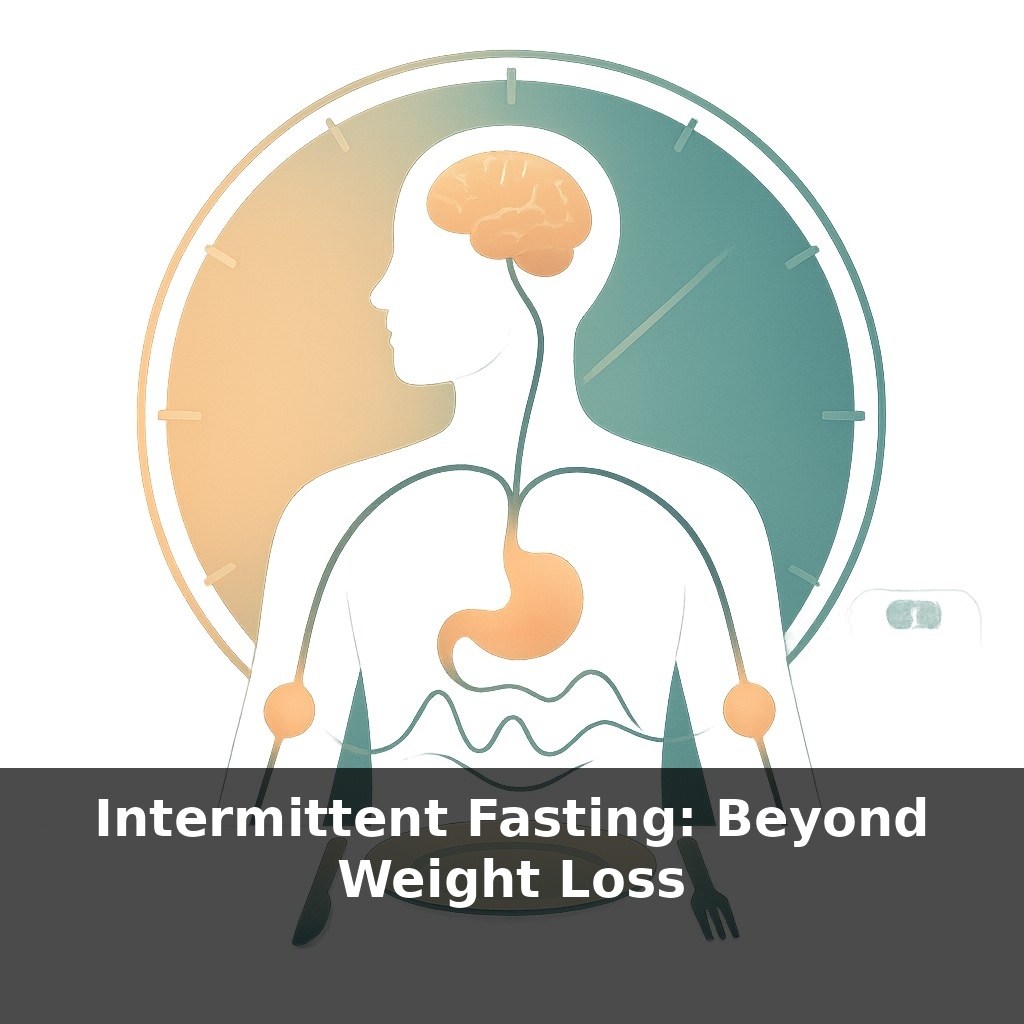
On the surface, these people look like they’re chasing different outcomes—clearer thinking, fewer aches, deeper sleep. Under the hood, though, they’re all pulling on the same biological lever: changing *when* fuel is available so their cells are forced to operate differently. Think less about “skipping meals” and more about reprogramming your daily rhythm so your metabolism is occasionally nudged out of cruise control and into a different gear.
What’s fascinating is how quickly the dominoes can fall. Within hours of a longer food gap, your body starts dipping into stored energy; given a bit more time, hormone signals shift, repair pathways wake up, and even your gut microbes begin rearranging their lineup. In this episode, we’ll explore how that quiet decision to delay or tighten your eating window can ripple from blood sugar to brain health—and why those benefits don’t always show up on a bathroom scale.
Think of intermittent fasting less as a diet and more as a schedule upgrade for your whole system. Labs studying IF don’t just see lighter people; they see bodies that handle fuel changes more gracefully, like hybrid cars that can glide between gas and battery without sputtering. That “metabolic flexibility” shows up as lower fasting insulin, steadier energy, and less inflammation, even when the scale barely moves. Researchers are also tracking shifts in blood pressure, cholesterol particle size, and markers tied to brain aging, hinting that *when* you eat may quietly be rewriting your long-term health trajectory.
Here’s where the story of intermittent fasting (IF) gets more interesting: when researchers zoom out from weight and look at *how* your body responds to the same meal, depending on timing. In some trials, people ate identical foods and calories, just compressed into, say, 8 hours instead of 12–14. The scale barely budged—yet fasting insulin dropped, blood pressure eased, and markers of inflammation quieted down. That points to timing as an independent dial, not just a sidekick to “eat less.”
One recurring theme is “metabolic switching.” When there are stretches without snacks, your system becomes better at toggling between fuel sources. In real life, that can look like fewer mid-afternoon crashes, less “hangry” irritability, and more consistent performance during long workdays or training sessions. Active-duty soldiers on an 8‑hour time‑restricted plan, for example, trimmed fat mass while holding onto strength—suggesting the body can become leaner *and* capable, not simply depleted.
Under the hood, IF nudges molecular pathways that are usually more active during scarcity. AMPK activity tends to rise, mTOR signaling often dips, and downstream you see shifts in things like blood lipids, triglycerides, and even uric acid. Over time, that pattern is associated with lower risk for conditions tied to chronic overfeeding: fatty liver, prediabetes, and some forms of cardiovascular disease. Importantly, these changes have been documented even when researchers purposely keep weight stable.
The brain appears to join the party too. Animal data and early human work suggest improved synaptic plasticity, more stable mood, and better executive function in some people following regular fasting patterns. Ketones produced during longer gaps may serve as an efficient, less inflammatory fuel for neurons, and growth factors linked to learning and memory sometimes tick upward.
Laboratories testing “fasting‑mimicking” programs add another layer: short, heavily structured low‑calorie phases can lower growth‑related hormones like IGF‑1 and briefly tilt the body toward maintenance and renewal. Think of it as scheduled downtime in a software system—briefly pausing intensive apps so background diagnostics and updates can run, potentially extending the system’s useful life.
A useful way to see the range of benefits is to look at how different people “aim” their fasting. A desk worker with creeping blood sugar might try an early 16:8, finishing dinner by 6 p.m., and notice their post-lunch crashes ease long before their belt size changes. A strength athlete could hold calories steady but cluster meals after training, using a daily fast more like a recovery tool to keep inflammation in check between heavy sessions. Someone with a strong family history of heart disease might use a 5:2 pattern during stressful weeks, not to get lighter, but to periodically lower triglycerides and blood pressure spikes that tend to show up in their labs.
On the cognitive front, some professionals now treat longer gaps between meals the way gamers treat “focus mode” sessions—reserving them for deep work days when steady attention matters more than frequent snack breaks. Over months, these small, intentional timing experiments can add up to a personalized rhythm that supports joints, heart, and brain together, rather than chasing a single number on the scale.
As tracking tech spreads, fasting may shift from rigid rules to flexible “status updates.” Instead of asking, “Is 16:8 best?” you might glance at a watch that says, “You’ve hit a sweet spot—extend another hour” or, “Break now to protect recovery.” Workplaces could stagger meetings around shared quiet “fast focus” blocks. And community programs might adapt IF to local food traditions, so timing strategies enhance culture rather than clash with it.
Treat IF less like a diet and more like a dial you adjust for different seasons of life. Some weeks it’s a sharp tool for taming blood sugar swings; others, a subtle nudge for mental clarity or training recovery. Your challenge this week: pick one consistent fasting pattern, keep notes on mood, focus, and performance, and see which “settings” feel most sustainable.