Right now, every cell in your body is quietly deciding how fast you’ll age. Some are in repair mode; others are in slow decay. Two people can eat the same number of calories, but one set of cells stays youthful longer. The twist? The difference often comes down to *what* feeds their mitochondria.
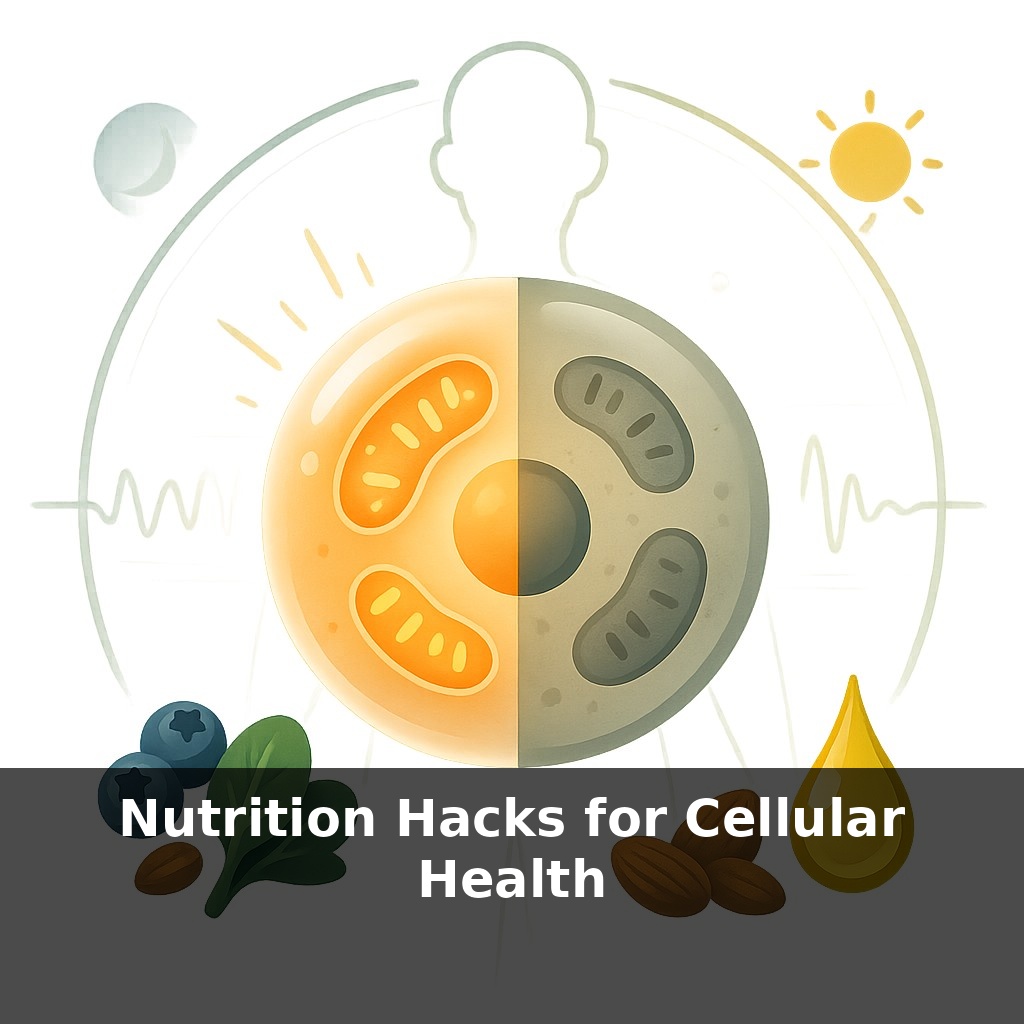
Here’s the twist most “healthy eating” advice misses: your cells don’t just care what you eat today—they care *when* and *how predictably* you feed them. A steady drip of ultra-processed snacks keeps them in constant “storage mode,” while rhythm and fiber-rich, colorful plants nudge them toward repair, cleanup, and efficient energy use. Research on Mediterranean-style patterns, time-restricted eating, and modest calorie reduction all point in the same direction: when your daily food pattern supports metabolic flexibility, your cells get better at switching between burning sugar and fat, turning down unnecessary inflammation, and turning up internal recycling programs like autophagy. Like a forest that periodically sheds underbrush to grow back stronger, your cellular environment can be pruned and renewed—if your nutrition gives it the right signals at the right times.
Your fork is a far more powerful “control panel” than it looks. The data are blunt: long-lived populations aren’t living on protein bars and seed oils; they’re eating mostly plants, plenty of fiber, and a rainbow of polyphenols from real food. Large studies show that patterns like the Mediterranean diet don’t just lower disease risk—they line up with better mitochondrial efficiency, less oxidative damage, and longer telomere maintenance. Even modest calorie reduction and consistent meal timing appear to nudge cells toward repair pathways that make your “biological clock” tick more slowly.
Here’s where this gets practical: the foods that most effectively “talk” to your cells tend to fall into a few powerful categories—fiber, polyphenols, and smart fats—and it’s their *combination* over time that moves your biology, not a single miracle food.
Start with fiber. Fermentable fibers from beans, oats, onions, garlic, asparagus, and many fruits don’t just help digestion; they’re raw material for short‑chain fatty acids made by your gut microbes. Those SCFAs can directly fuel colon cells, help keep the gut barrier tight, and send signals that dampen chronic inflammation and improve insulin sensitivity. That gut‑level calm translates into less background cellular stress everywhere else.
Next are polyphenols—the bitter, tart, and colorful compounds in berries, herbs, extra‑virgin olive oil, cocoa, tea, and coffee. Large cohorts and small mechanistic trials converge on the same idea: regular, modest doses nudge up your own antioxidant and detox systems rather than “flooding” them. Think of them more like a demanding coach than a shield: they stress your cells *just enough* to upregulate internal defenses, including enzymes that manage reactive oxygen species and pathways that support DNA maintenance.
Then come fats, where quality beats quantity. When omega‑3s from fatty fish, flax, chia, or walnuts show up consistently, they’re incorporated into cell membranes. That change in membrane composition alters how receptors cluster, how flexible the membrane is, and how cells respond to inflammatory signals. Observational data in humans and controlled trials on omega‑3 supplementation both suggest better vascular function, calmer immune signaling, and more efficient communication between cells.
Finally, *pattern* glues these pieces together. Calorie intake that’s slightly lower than “all you can eat,” paired with mostly unprocessed plants and stable meal rhythms, tends to produce lower fasting insulin, fewer big glucose swings, and a metabolic profile linked to slower biological aging markers in trials. The day‑to‑day experience of that isn’t dramatic—it’s more even energy, fewer crashes, and a quieter appetite system that makes long‑term consistency easier to maintain.
Think of each meal as curating an art exhibit your cells have to walk through all day. Harsh fluorescent ultra‑processed foods fatigue them; thoughtfully chosen pieces change their behavior without shouting. In practice, that can look surprisingly simple. Swapping a breakfast pastry for steel‑cut oats with ground flax, walnuts, and frozen berries layers fiber, omega‑3s, and polyphenols in one bowl. A weekday dinner of lentil‑tomato stew with garlic, onions, and a drizzle of extra‑virgin olive oil quietly upgrades membrane fats while feeding gut microbes. Notice how these examples don’t require perfection—just repeated nudges. Two or three “cell-friendly” meals most days start to shift lab markers like fasting insulin, triglycerides, and hs‑CRP long before you feel different. Over months, those small, boring choices are what line up with better telomere maintenance and the kind of low, steady inflammation profile seen in people whose biological age runs younger than their passport age.
A quiet revolution is coming to your plate. As continuous nutrient and epigenetic tracking go mainstream, meals stop being rough guesses and become tunable “dials” for how fast you wear out. Food logs may sync with aging biomarkers the way step counters sync with heart data now. Think of it like trading a paper road map for live GPS: you’ll see which breakfast routes your biology toward repair, which late‑night snacks detour you toward wear‑and‑tear—and course‑correct in real time.
Your daily menu becomes less about perfection and more about pattern recognition: which foods leave you clear‑headed, steady, and satisfied three hours later? Treat each meal as a small N=1 trial. Over time, those tiny experiments stack like tree rings, quietly recording seasons of repair—and giving future you a sturdier trunk to grow from.
Your challenge this week: build one “cell-supportive” anchor meal you can repeat. Pick breakfast, lunch, or dinner and design a default: mostly plants, one clear fiber source, one visible healthy fat, and at least two colors on the plate. Eat that same anchor meal 4 times this week and notice what changes in energy, focus, and cravings.