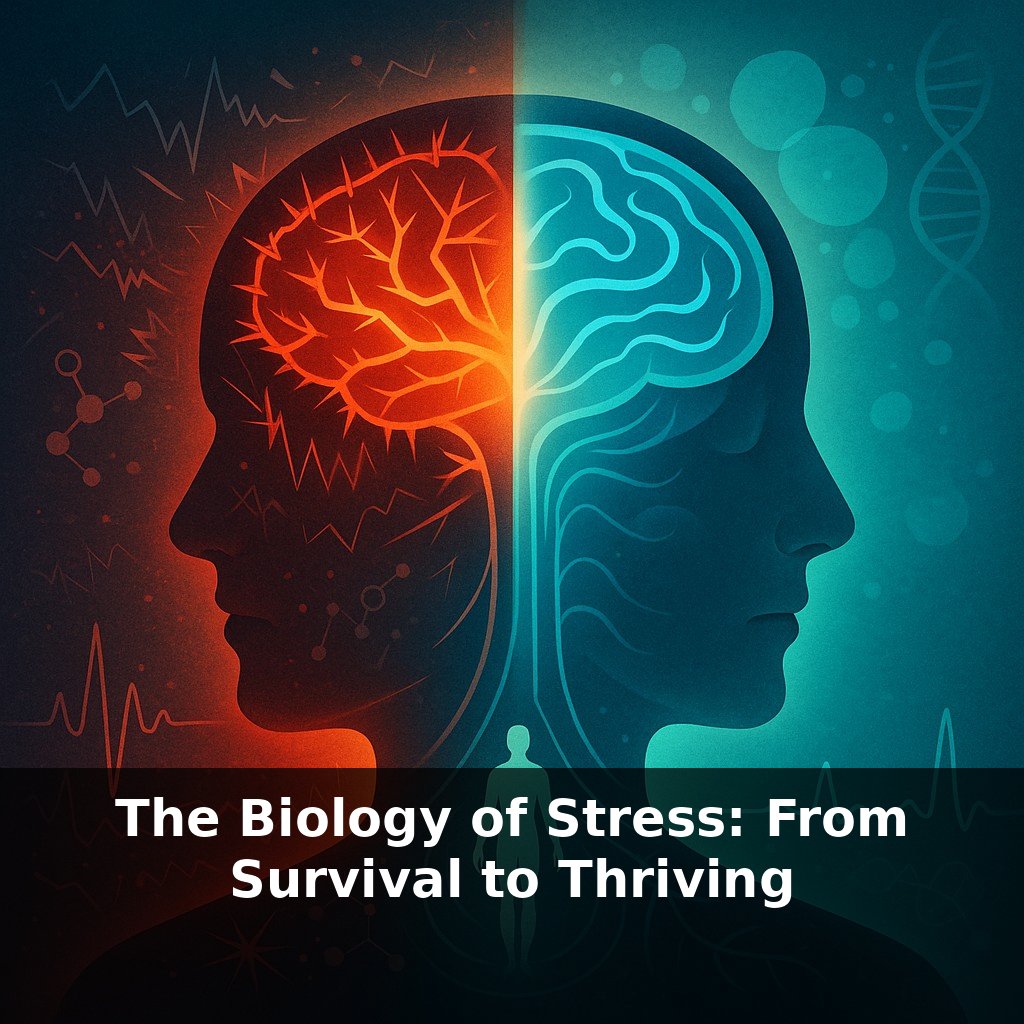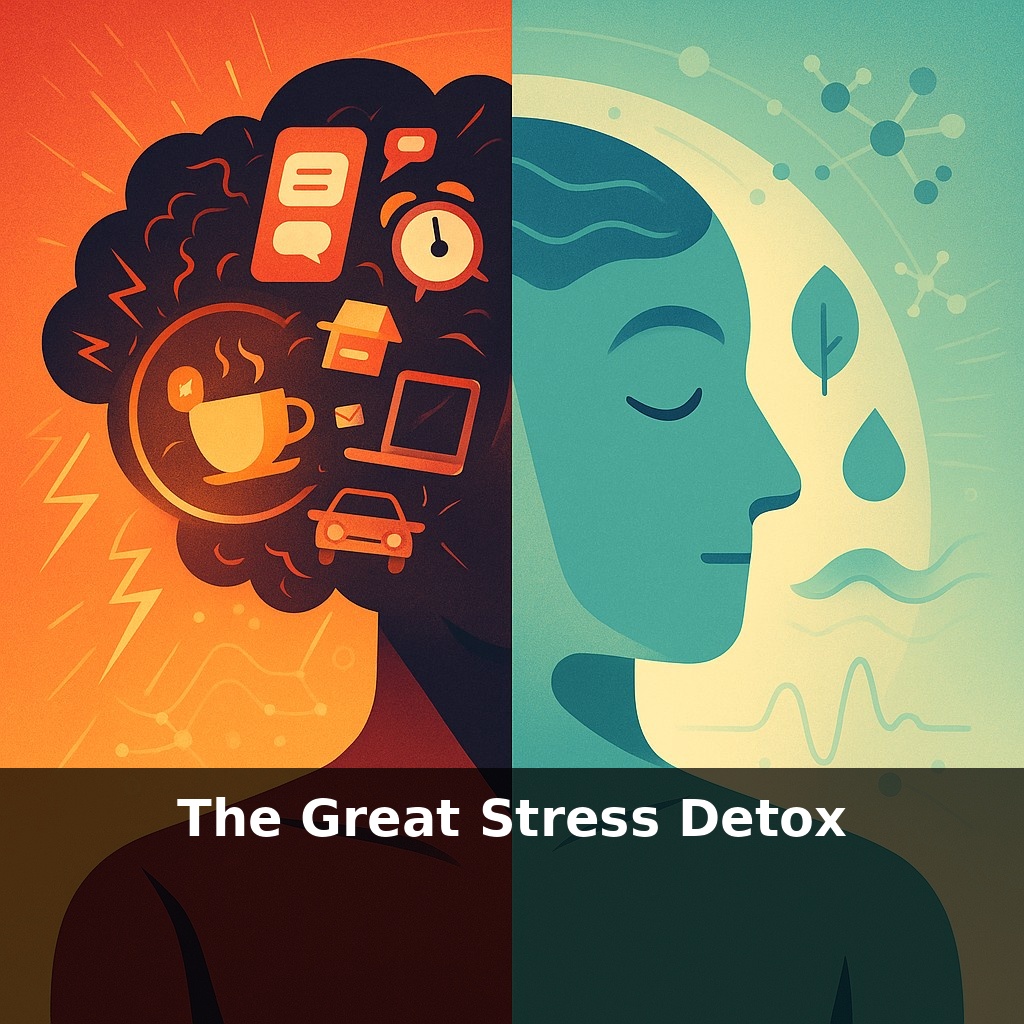
At this very moment, your body could silently be under siege from stress, yet you remain blissfully unaware. Recent studies highlight a startling fact: our stress response often fires up due to a myriad of minuscule daily habits outshining big life crises. In this episode, we’ll go hunting for those hidden stress switches.
So where are these stress signals actually coming from? Not usually from the big stuff—breakups, layoffs, major deadlines—but from a swarm of tiny, “normal” choices that quietly gang up on your biology. The third coffee that replaces lunch. The 11:30 p.m. “quick check” of email that turns into 45 minutes. The workout you meant to do but pushed to “tomorrow” for the fifth day in a row.
Individually, each one feels harmless, even rational. Together, they create a kind of background pressure system that keeps cortisol slightly elevated, sleep slightly worse, focus slightly fuzzier. Not enough to set off alarms, just enough to become your new baseline. In this episode, we’re going to treat your day like a lab experiment—zooming in on sleep, movement, food, screens and mental “off-ramps” to see which tiny tweaks actually move your stress dial down.
Think of this as an audit, not a makeover. The data are surprisingly optimistic: when people deliberately clean up just a few daily inputs, their biology responds fast. In RCTs, programs combining better sleep hygiene, movement and brief mindfulness lowered perceived stress by nearly a third in under two months. HRV—a marker of flexibility in your stress response—often improves within weeks. We’ll trace how small upgrades in your evenings, your plate, your inbox and your calendar can shift those numbers, and why adding purpose and connection matters as much as cutting back caffeine or notifications.
Here’s where the “detox” becomes concrete. Researchers keep finding the same pattern: when people change several small inputs at once—rather than chasing one magic fix—their nervous system starts behaving differently within weeks.
One big lever is *what* you feed a strained body. Under chronic pressure, we burn through magnesium, B‑vitamins and omega‑3 fats faster, and inflammation quietly rises. In that medical student study, adding 2 g/day of omega‑3s nudged down IL‑6 by around 10–12%—not a miracle cure, but a measurable cooling of the internal “heat” that keeps your system on edge. In practice, that looks less like supplements-as-saviors and more like building stress-steady meals: protein and fiber at breakfast so your blood sugar doesn’t spike and crash, something green and something oily (fish, nuts, seeds, olive oil) most days, and not letting caffeine become your main food group.
Another lever: how often your body gets to shift gears. That 150‑minutes‑per‑week exercise target isn’t just for your heart; regular moderate movement teaches your system to ramp up and *then* wind down efficiently. People who hit that mark show up to 30% fewer anxiety symptoms. The trick is consistency over heroics—five 30‑minute walks or bike rides fit the data as well as two intense gym sessions, and are usually easier to stick with when life is already full.
Then there’s the mental “off‑ramp” problem. MBSR and similar practices work not because they erase stressors, but because they train your attention to stop looping. In that meta‑analysis, perceived stress dropped about 28%—largely by changing people’s relationship to their own thoughts and sensations. Even 10 minutes of deliberate practice—breath work, body scans, or guided relaxation—can start carving a new default pathway away from rumination.
Notice what ties these together: they’re all about reducing unnecessary load while adding deliberate recovery. You upgrade the inputs (food, movement, pauses) and remove some of the silent drains (late caffeine, chaotic schedules, constant pings). Over time, your baseline shifts from “barely coping” toward “responsive and flexible,” which is exactly what those HRV and stress scales are measuring.
You can think of this “detox” like refactoring messy code in a legacy app: instead of rewriting everything, you hunt for the functions that bog the system down and quietly streamline them.
For example, look at your mornings. One person keeps their phone in another room and sets a 10‑minute “buffer block” after waking: light, water, brief stretching, *then* screens. Another redesigns their commute: gets off the bus one stop early twice a week and uses those extra minutes as a moving reset, not a race. Same route, different biology.
Even your calendar can become stress‑smart architecture. Some teams adopt a simple rule: no meetings in the first hour Monday and the last hour Friday. Those protected blocks turn into planning and cleanup time—less frantic context‑switching, fewer after‑hours catch‑up sessions.
Social connection works the same way. A standing Thursday dinner with a friend or family member isn’t just “nice to have”; it anchors the week, giving your brain a predictable island of safety that makes the busy days in between feel more manageable.
Workplaces, cities and homes are about to behave more like responsive ecosystems than fixed backdrops. As sensors get smarter, “stress-aware” environments could dim lights, soften acoustics and suggest micro-breaks when your physiology drifts into the red. Your calendar might auto-space demanding tasks the way good playlists balance bangers and ballads. The open question: who owns this data—and will it serve your well-being, or just your productivity?
Treat this detox as an ongoing prototype, not a one-time cleanse. You’ll ship messy “v1” habits, debug, then iterate. Over months, patterns emerge: which evenings feel lighter, which projects drain you fastest, which people restore you. That awareness is the real upgrade—turning stress from a vague fog into something you can actually design around.
Try this experiment: For the next 7 days, pick one daily “micro-stressor” (like email, social media, or news) and give it a strict 15-minute “stress window” where you’re allowed to check and respond, then completely block it outside that window (log out, move the app off your home screen, or use Do Not Disturb). At the same time, schedule one 10-minute “nervous system reset” right after that window—like a slow walk without your phone, box breathing (inhale 4, hold 4, exhale 6), or a hot shower you treat like a mini-retreat instead of a rush. Each night, quickly rate your stress from 1–10 and note whether you felt more scattered or more focused compared to days before the experiment. At the end of the week, look at your notes and decide: is your stress window too long, too short, or in the wrong part of the day—and adjust it for next week.