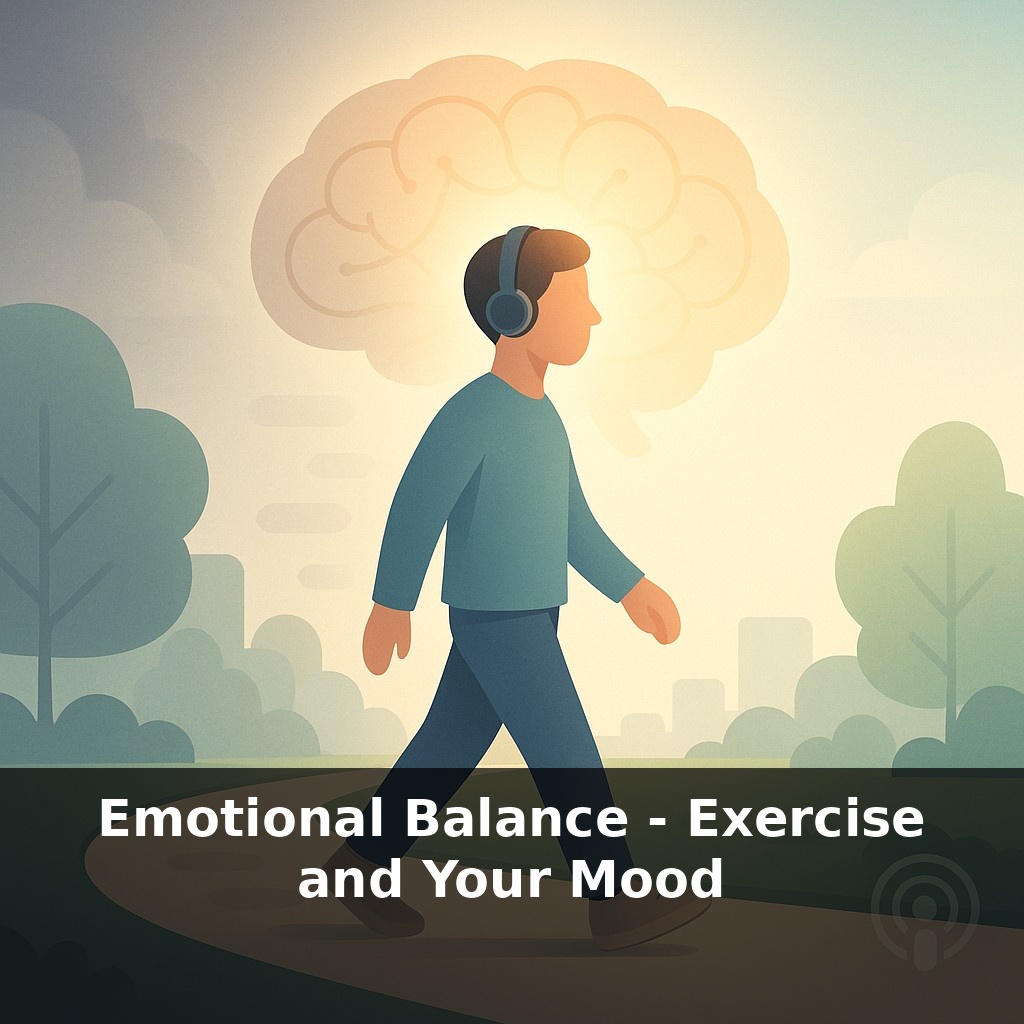
Right now, somewhere in the world, a ten‑minute walk is quietly working just as hard on someone’s mood as a prescription pill. You’re late for a meeting, stressed, heart racing—yet with each step, your brain chemistry is shifting. The twist? Most people never notice it happening.
Here’s where it gets interesting: the research doesn’t just say “exercise helps.” It says *how much*, *how often*, and *what really matters* if you care about emotional balance. People who hit about 150 minutes of moderate movement a week aren’t just a bit better off—they’re sitting on a 25–30 % lower risk of ever sliding into a first depressive episode. That’s the difference between standing at the edge of a cliff and standing a few metres back. And it’s not all long workouts and gym sessions. One 10‑minute brisk walk can nudge your emotional state for up to two hours—like opening a window in a stuffy room, not rebuilding the house. But here’s the twist researchers keep finding: it’s the *sticking with it* that really bends the curve, not how intense you go on any single day.
Here’s the part the headlines usually skip: your emotional “response” to moving isn’t just about feeling happier. Studies on anxiety show something subtler—regular movement changes how *reactive* you are to stress in the first place. It’s as if your internal alarm system starts checking the door twice before screaming. People who were mostly sedentary and then began structured programs didn’t turn into euphoric athletes; they became a bit less jumpy, a bit less drained by the same daily hassles. Over weeks, that small shift adds up, like slowly turning down background noise you’d forgotten was there.
Here’s where the science gets unexpectedly practical. When researchers look closely at people using movement to steady their emotions, a pattern keeps popping up: *dose and delivery* matter more than drama. Not heroic workouts, but repeatable ones.
Large trials tracking people over months find a “sweet spot” for emotional balance: sessions in the 20–45 minute range, done most days, at an effort where talking is possible but singing isn’t. That level seems to produce reliable reductions in depressive and anxiety symptoms without leaving people fried or sore—crucial if you need to come back tomorrow.
The type of movement is surprisingly flexible. Walking, cycling, swimming, dancing, light jogging, even active commuting all show similar emotional payoffs when total minutes line up. What differs is *fit with your life*. People are far more likely to continue with activities that: - Don’t require special travel or equipment - Can be done even on “bad days” - Have at least a hint of enjoyment or meaning
In that sense, a short walk with a friend often beats a perfectly periodised solo gym plan—simply because it keeps happening. Social movement adds an extra layer: conversations, shared goals, and being seen regularly all predict lower odds of drifting back into old patterns.
Intensity still plays a role, but mostly at the extremes. Going too hard too soon can backfire: poor sleep, soreness, or dread before sessions can nudge anxiety *up*, not down. On the other side, tiny, frequent bouts—five or ten minutes scattered through the day—appear to act like emotional “micro-adjustments,” especially for people who feel overwhelmed by long sessions.
Think of it like tending a small garden: quick, consistent attention—watering here, pulling a weed there—beats an occasional weekend overhaul followed by neglect.
One more nuance the data keeps underlining: when movement becomes part of your *identity* (“I’m someone who moves most days”), emotional effects stick better than when it’s framed as punishment or a temporary fix. The same number of minutes, but a very different long-term story.
A useful way to think about this is to zoom in on *where* movement fits in your actual day. Someone who hops off the bus one stop early and walks the last ten minutes isn’t “working out” in the traditional sense, but over a month those tiny add‑ons quietly stack up into hours of emotional buffering. Another person might use a short bike loop after work as a “bridge” between roles—letting the day drain off before they walk through the front door. Over time, that habit can change how tense family evenings feel, even though nothing else has shifted.
Artists sometimes talk about “showing up at the canvas” whether or not inspiration is there. Movement works similarly: a slow walk on a heavy day and a brisk one on a lighter day both reinforce the same identity signal—*I keep moving*. The emotional return isn’t measured in any single outing, but in the accumulating evidence your brain collects that you have at least one lever you can still pull.
As movement prescriptions spread, “how did you sleep?” may sit beside “how far did you move?” in routine check‑ups. Apps could nudge you like a weather report: “stormy afternoon ahead—take a 10‑minute walk buffer?” Schools might schedule brief activity bursts before exams, the way DJs warm up a crowd before the main act, while offices redesign meetings around short walking segments, treating daily steps as a shared civic habit rather than a private fitness project.
Over time, those small bouts of movement stop feeling like a project and start working more like a quiet safety net. You may still face sharp days—tight deadlines, conflict, bad news—but you’re not meeting them from zero reserves. Your challenge this week: on three stressful days, insert one brisk 10‑minute walk *before* reacting, and notice what—if anything—shifts.