Right after a short workout, your brain’s “learning switch” can flip on so strongly that new connections form for hours. In the next decade, gyms, headbands, and even your grocery list may sync up—turning every run, rep, and snack into a live upgrade for your mind.
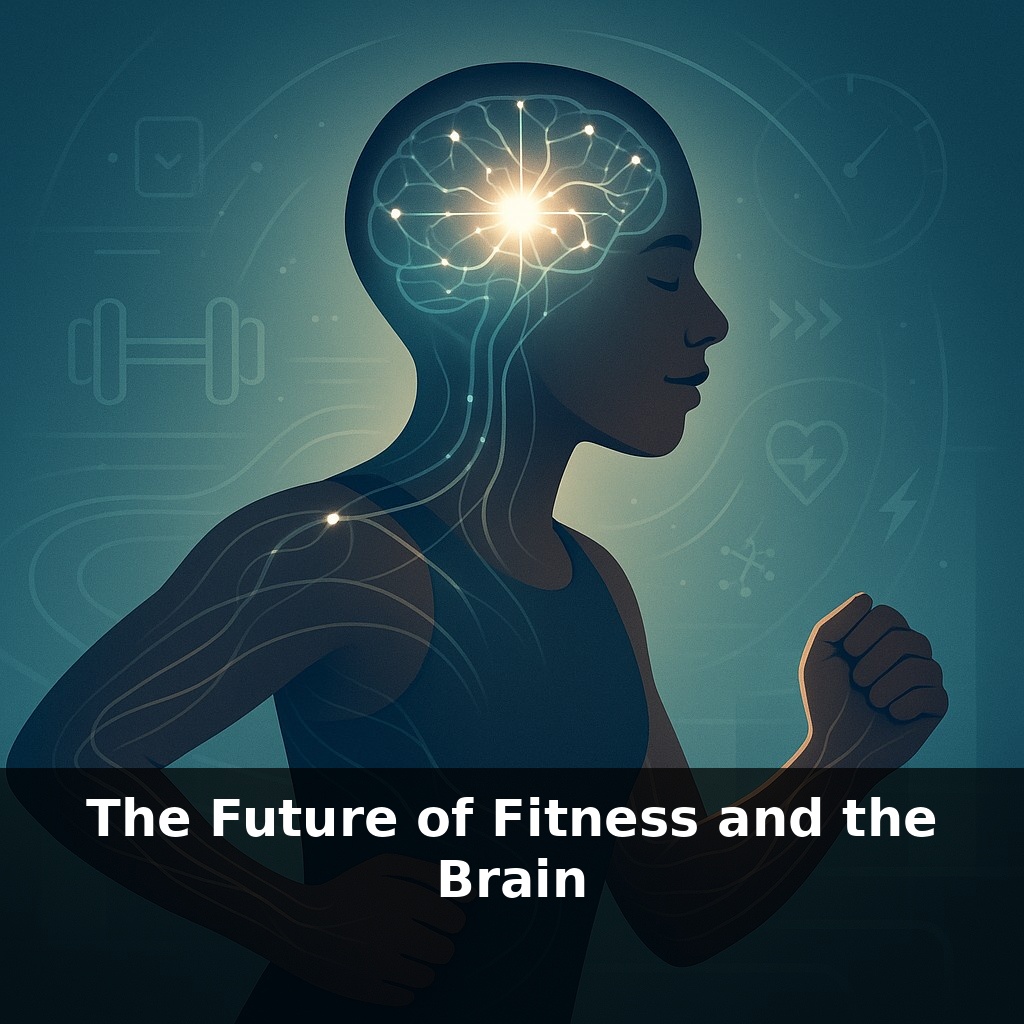
A decade from now, your workout might start with a brain scan, not a warm-up. Instead of “leg day,” your app could tell you it’s “focus day” or “memory day,” then adjust your intervals, lighting, music, even your post-workout snack to target a specific mental skill. Early versions already exist: headbands that read brain waves during exercise, VR games that raise your heart rate while testing your attention, nutrition plans synced to your sleep and stress data. We’re moving from generic fitness plans to neuro-fitness “prescriptions” tuned as precisely as a mixing board—turning cardio, strength, recovery, and food into separate dials for mood, clarity, and resilience. The hidden shift is this: exercise stops being something you do *before* you work or study, and becomes part of how you learn, create, and cope—built right into your day like Wi‑Fi.
In the background of all this, something deeper is shifting: fitness is becoming less about appearance and more about *capabilities*. Companies are already testing treadmills that sync with real-time brain data, exergames that adjust difficulty by how sharply you’re concentrating, and meal plans that tweak micronutrients to support mood on high‑stress days. Instead of asking, “How many calories did I burn?” the new question becomes, “What kind of brain state did this session train?” It’s like planning trips not just by destination, but by how each journey changes the way you navigate the world afterward.
Neuroscientists used to study movement and mind in separate labs. That wall is crumbling. When you move, your muscles aren’t the only things “training”—brain chemicals, electrical rhythms, and even blood flow patterns are shifting in ways that AI can now detect, learn from, and eventually predict.
One of the best‑studied players is BDNF, a protein that helps neurons strengthen and form connections. A 20–40 minute bout of moderate cardio can send BDNF levels soaring two to three times above baseline for up to two hours. Stack that on top of task design—like learning a language, coding, or practicing an instrument right after—and you’re not just fitting a workout around your day; you’re timing your hardest thinking to when your brain is most primed to adapt.
Zoom out to decades instead of hours, and the stakes rise: people who consistently hit the WHO’s activity targets have about a 30% lower risk of developing dementia. That’s not a niche “biohacker” advantage—that’s public‑health scale protection. Now imagine health systems quietly adjusting your insurance incentives, workplace benefits, or even city planning around activities that protect both mobility and memory.
Strength work joins the story too. Meta‑analyses of resistance training show notable improvements in executive function—planning, inhibition, mental flexibility—with moderate effect sizes. This suggests future “neuro‑gyms” might pair heavy lifts with short decision‑making drills or impulse‑control tasks, actively sculpting the circuits that help you stay on task under pressure.
Layer on technology and the picture gets stranger. The digital fitness market is racing toward tens of billions of dollars, and much of that growth is tagged to cognitive add‑ons: VR “exergames” that stress your balance and your working memory at once; headsets that deliver gentle electrical stimulation to nudge specific networks while you cycle; apps that tweak intervals based on your in‑the‑moment focus rather than a generic heart‑rate zone.
One fresh misconception this ecosystem must fight is the idea that brain‑training apps can *replace* physical activity. Most data point in the opposite direction: movement reliably enhances mood regulation and neuroplasticity, while many standalone brain games show narrow benefits that don’t transfer well. The most promising prototypes combine the two—brief, targeted cognitive challenges embedded inside a pulse‑raising session.
Your challenge this week: choose one demanding mental task you already do—studying, analyzing data, learning a skill—and, three times, precede it with 20–30 minutes of moderate movement. Keep everything else the same: same task, time of day, and environment. After each session, quickly rate your focus, mood, and how “sticky” the material feels. At the end of the week, compare those three “neuro‑primed” attempts to three similar attempts done *without* pre‑movement. You’re not looking for perfection, just patterns—tiny shifts in clarity, recall, or emotional resilience that hint at how your own brain responds when fitness and thinking stop living in separate boxes.
A chess grandmaster preparing for a tournament might start using short, tailored cardio bursts before opening study, while an app logs which tempos sharpen pattern recognition. A music producer could lift light weights between takes as a wearable tracks how different rep schemes influence creative flow across a long studio day. In rehab clinics, stroke patients might pedal through custom VR worlds where each turn, color, or sound nudges damaged circuits to re-route, while AI quietly adjusts difficulty based on micro‑fluctuations in attention and fatigue. Elite e‑sports teams are already experimenting with tightly scripted warm‑ups that blend reaction drills, heart‑rate ramps, and breathing patterns to stabilize decision‑making under pressure. Over the next decade, expect everyday tools—calendars, to‑do lists, classrooms—to borrow these ideas, pairing key tasks with tiny, scheduled movement “ramps” so your workday becomes less a flat timeline and more like a mountain range of deliberately shaped brain states.
Your calendar might soon feel less like a to‑do list and more like a flight plan: clusters of movement, food, and deep work stacked into deliberate “missions.” Instead of guessing when to study or create, you’ll check a quiet dashboard showing when your brain tends to be sharp, anxious, or foggy—and schedule around it. As schools and offices adopt this, the real debate won’t be *does* this work, but who controls the knobs: you, your employer, or your insurer?
As neuro‑fitness tools mature, expect “default settings” to shift: kids might review calculus while cooling down, night‑shift workers may use brief movement blocks to guard alertness, and older adults could treat dance class like a standing appointment with their future memories. The deeper question becomes not just *what* you train, but *when* your brain gets its best shot.
Try this experiment: For the next 7 days, swap one of your usual steady-state workouts (like a 30-minute jog) for a 20-minute brain-focused interval session: 8 rounds of 1-minute fast effort (bike, run, or row at 8/10 intensity) followed by 1.5 minutes easy. Immediately after each session, spend 10 minutes on a challenging cognitive task (like dual n-back, a fast-paced memory app, or learning a new skill on an instrument or language app). Before and after the week, rate your mental clarity, focus, and mood at the same time of day on a 1–10 scale, and note how quickly you get “in the zone” when working. Compare how your brain feels and performs on days with the combo workout vs. your normal routine, and decide which pattern you want to keep.