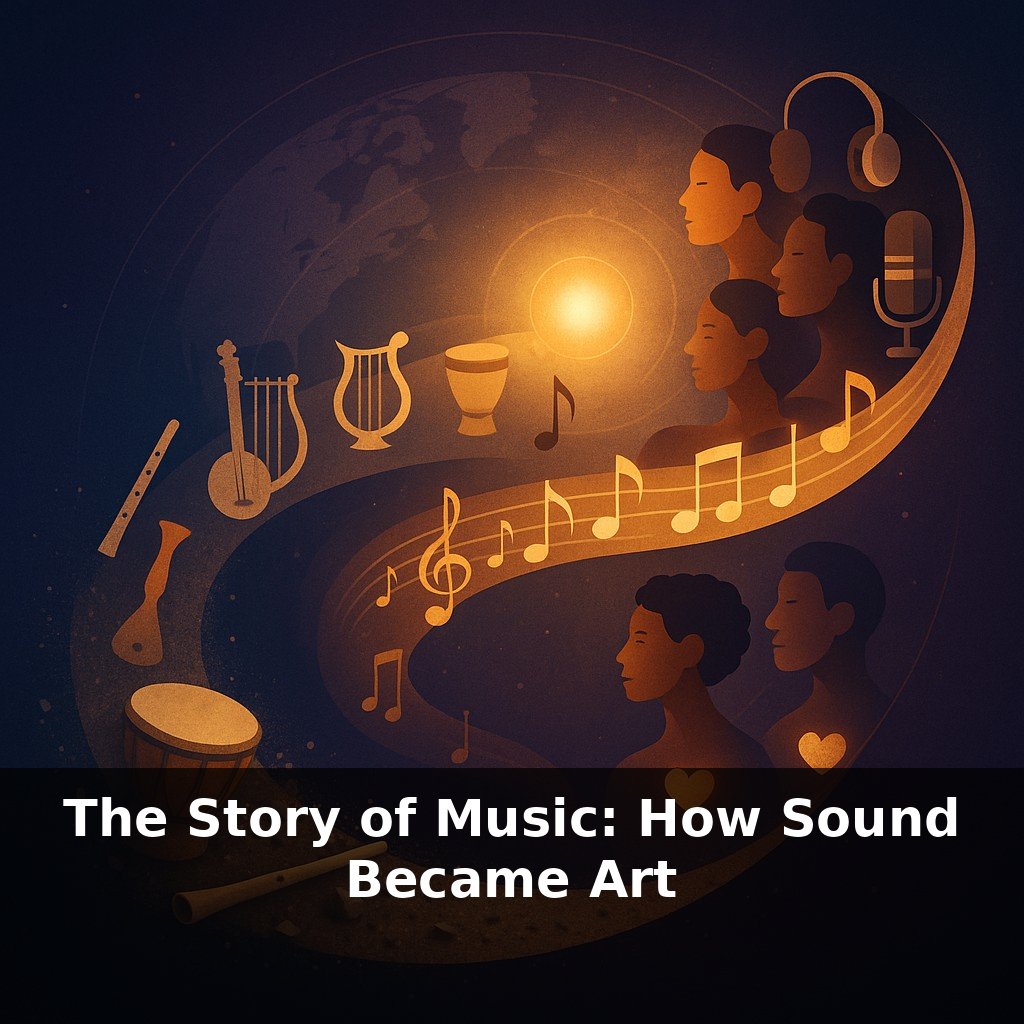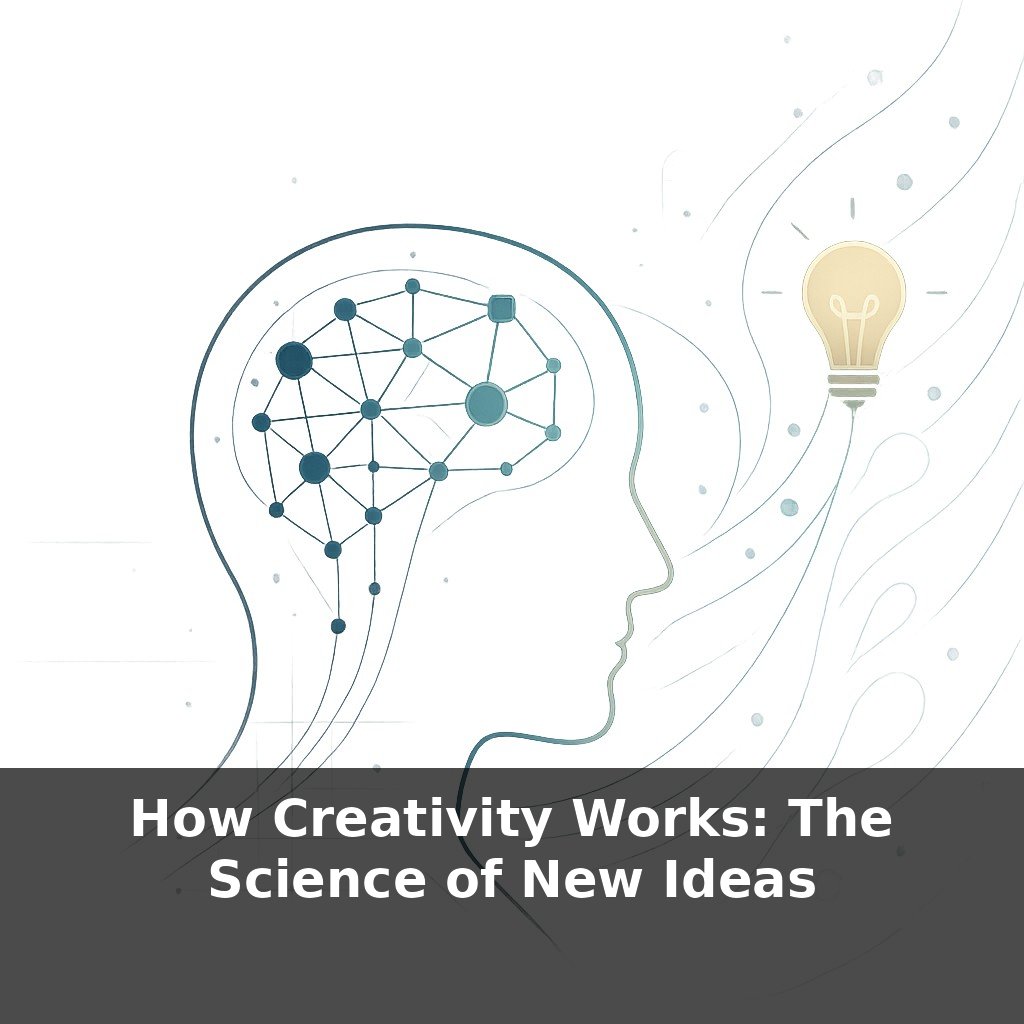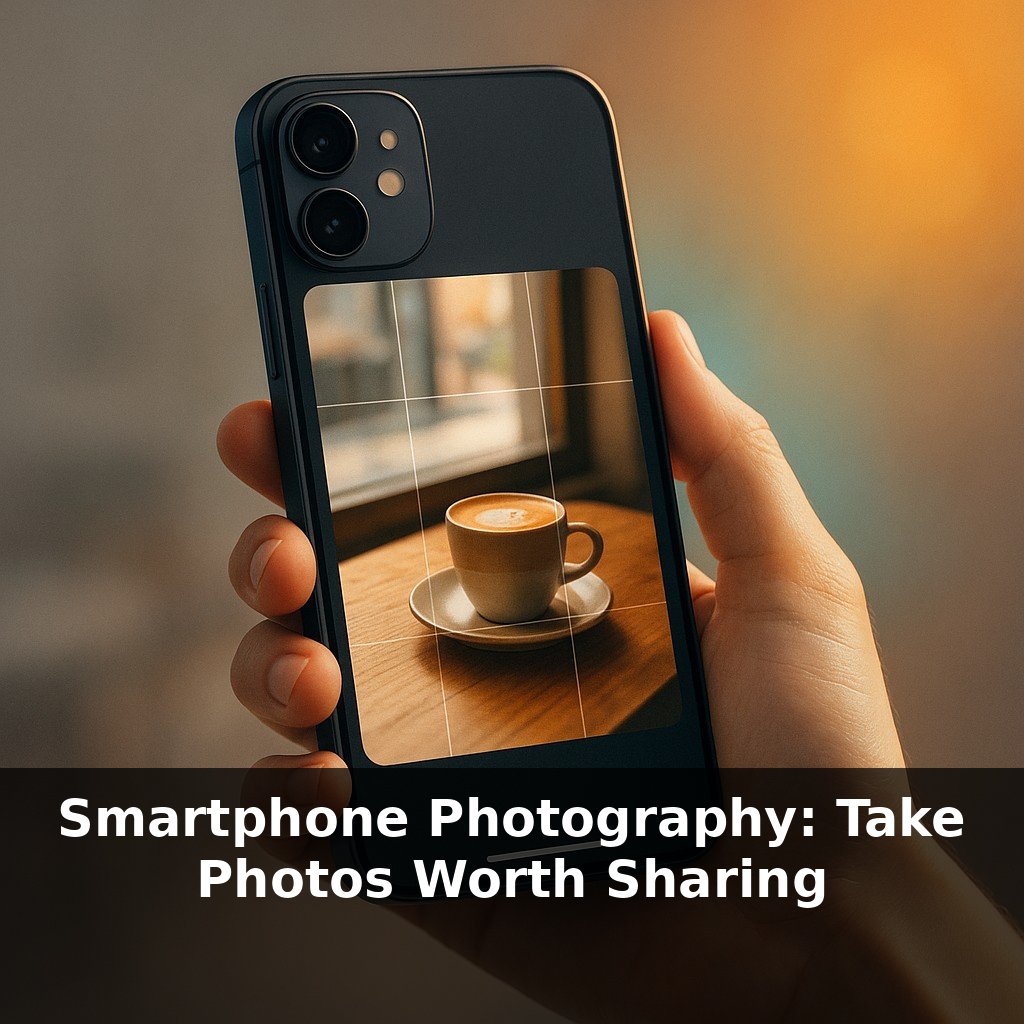
A teenager buys a thirty‑dollar beat online, records vocals in a bedroom, posts a clip—and a few weeks later, it’s the biggest song on Earth. In the digital age, hits don’t start in record label boardrooms anymore. They start on laptops, in living rooms, at any hour.
In this new landscape, the tools of music-making feel less like specialized equipment and more like everyday apps on your phone. The same laptop you use for homework or emails can also run a full studio: virtual instruments, vocal effects, even mastering plugins once locked behind expensive hardware. Instead of saving up for a single hour in a professional room, artists now stack ideas track by track at home—like layering ingredients in a slow‑cooked recipe, adjusting seasoning until the flavor feels right. On the other side, listeners aren’t just tuning in; they’re training the systems that recommend what plays next. Every skip, replay, and playlist add becomes a tiny vote, nudging algorithms to surface new voices, forgotten catalogues, and micro‑genres that might never have survived in a shelf‑space era.
Yet this new freedom comes with new kinds of pressure. When anyone can upload a track, the real struggle shifts from access to attention. Feeds refresh endlessly, release days never stop, and songs compete not just with other artists, but with games, shows, and every notification on your phone. Musicians learn to think like small businesses: tracking stats, testing different cover art, timing drops to when their followers are awake. Listeners, too, juggle overflowing libraries, half‑finished playlists, and the tug between revisiting favorites and gambling on unfamiliar sounds.
Streaming platforms turned recorded music from a product into a service—and that shift quietly rewired the whole ecosystem. When Spotify can count 551 million people listening in a single month, success stops being about how many CDs you ship and starts being about how often you can keep ears coming back. Songs get shorter, hooks arrive faster, intros shrink. A repeat button is more valuable than a deluxe booklet ever was.
Money flows differently, too. Instead of a one‑time purchase, every listen becomes a microscopic trickle of income—often between $0.003 and $0.005 per play to rights holders. At scale, those trickles can carve canyons: a billion streams can rival old‑school platinum sales. But that same math means an artist can rack up thousands of listens and still see only a modest payout once labels, distributors, and collaborators take their shares. The promise of “global reach” meets the reality of fractional cents.
On the creative side, lower costs have cracked open the gates. A home‑studio setup that once demanded around $10,000 can now be assembled for under $1,000, and the know‑how to use it lives in tutorials instead of elite engineering programs. That’s how a project like Chance the Rapper’s “Coloring Book” could exist entirely outside the traditional album pipeline and still earn a Grammy: a mixtape, streaming‑only, built with collaborators spread across cities and hard drives instead of locked‑down studio calendars.
Discovery has shifted from a few tastemakers to an enormous, constantly running experiment. ‘Old Town Road’ didn’t need a radio campaign to dominate the charts—just a $30 beat, some savvy posting, and a wave of TikTok users looping fifteen seconds at a time. Platforms watch those bursts of attention, then amplify them, folding what starts as a meme into the official charts.
Listeners feel this change in their daily habits. Instead of buying one album and living with it for months, you swipe through an endless jukebox that seems to anticipate your mood before you name it. A recommendation engine is like a personal chef learning your palate: the more you “taste”—by skipping, saving, or replaying—the more customized the menu becomes. That feedback loop doesn’t just serve you music; it reshapes what artists make, rewarding styles and structures that keep you sampling, track after track, in the never‑ending digital buffet.
A musician today can treat releases the way a filmmaker treats scenes: testing rough cuts in small online spaces, trimming or expanding based on comments, then dropping a “final” version only when the response feels right. Some artists now issue multiple versions of the same track—acoustic, sped‑up, “nightcore,” stripped of vocals—because they see which one takes off on short‑form video, then funnel energy there. Others read their dashboards like weather maps, watching listener spikes in certain cities and quietly booking tours or pop‑ups where the data glows hottest, instead of guessing where an audience might be. Fans play a role beyond streaming, too: Discord servers vote on cover art, Twitch chats shape live arrangements, and Patreon backers hear sketches long before they’re public. In this environment, a project can feel more like open‑source software than a sealed artifact, iterated in public with a changelog of versions, remixes, and collaborations that evolve alongside its community.
Live shows may soon feel like multiplayer games, with audiences shaping setlists in real time or “unlocking” alternate endings to songs. Fans might buy tiny slices of a track’s future income, the way people trade small stakes in startups, blurring the line between listener and investor. As AI learns your creative habits, you could co‑write demos on your phone during a commute, then hand those sketches to human collaborators who treat them like raw clay instead of finished statues.
In this shifting landscape, creativity becomes less about gatekeepers and more about navigation. Musicians learn basic data literacy like cooks reading kitchen tickets: not the heart of the craft, but vital for timing and flow. As tools grow smarter, the real frontier is taste—figuring out what only you can hear, then daring to share it before anyone asks.
Try this experiment: For the next 48 hours, turn off all non-essential notifications on your phone and computer—social media, news apps, and email except from your boss or key collaborators. Before you start, check how many pickups/unlocks your phone reports in a day and how long you spend on your top 3 apps. Then, after the 48 hours, compare those numbers and note what actually broke (if anything) in your work, social life, or sense of being “up to date.” Use what you see to decide which notifications stay off permanently and which few you truly need back.