Aging doesn’t fail all at once—it frays at the weakest link. One person’s memory slips while another’s knees give out, and a third keeps hiking mountains into their eighties. The twist? Often they’re eating the same calories. The difference is *which* nutrients quietly show up each day.
About 40% of people over 60 are low in vitamin D and don’t know it. That’s not just a lab-number issue; it quietly shapes how you move, think, sleep, and recover. Two people can both “eat pretty well,” yet one keeps their balance, sharpness, and stamina far longer because the right nutrients are consistently in place.
In this episode, we’re zooming in on those quiet difference-makers: the vitamins, minerals, fats, and proteins that most strongly predict whether you stay sturdy or start to feel “frail” before your time. Think less about superfoods and more about coverage: Are the key systems in your body—bone, muscle, brain, heart, immune defense—getting what they need *often enough*?
We’ll translate dense research into simple food patterns, plus when supplements actually make sense as backup, not a shortcut.
You don’t need a perfect diet to age well, but you *do* need fewer blind spots. Most people can name calcium or omega‑3s, yet go years ignoring things like vitamin K, magnesium, or fiber until a scan, cramp, or lab suddenly exposes the gap. Today we’ll map out those “hidden levers” of strength, balance, memory, and recovery so you’re not guessing. Think of it as walking through your day—morning to evening—and quietly upgrading what’s on your plate: a few tweaks to breakfast here, a smarter snack there. Small, repeatable moves that gradually shift your long‑term trajectory.
Think of today’s episode as walking through a day of eating and quietly asking, “Does this actually cover what my future self needs?”
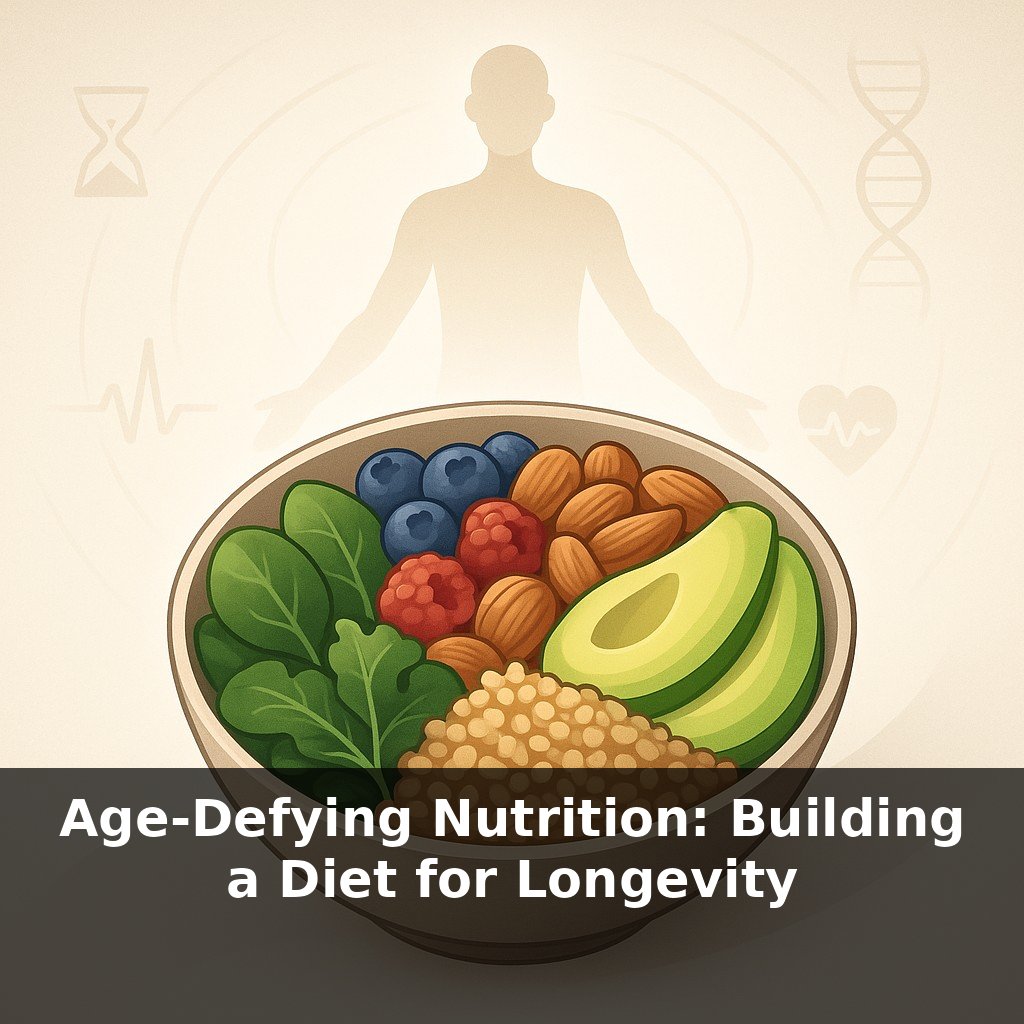
Start with breakfast. Many older adults grab toast and coffee—fast, familiar, but light on the “maintenance crew”: protective antioxidants and complete protein. Swapping in Greek yogurt with berries and a sprinkle of nuts, or eggs plus a side of sautéed greens, suddenly brings in vitamin C, vitamin E, carotenoids, polyphenols, and leucine‑rich protein that whispers “stay strong” to your muscles.
By lunch, your plate can decide whether inflammation simmers or cools. A deli sandwich with processed meat and cheese leans heavily on saturated fat and sodium. Shift that same meal toward a lentil or salmon salad with olive oil, avocado, and a colorful mix of vegetables, and you’ve just traded some of that saturated fat for omega‑3s and potassium‑rich, fiber‑packed plants that support arteries, brain cells, and blood pressure all at once.
Afternoon is when energy dips often show you what’s missing. A cookie and soda will spike and crash; a small handful of nuts and a piece of fruit adds healthy fats, antioxidants, and more potassium without the rollercoaster. These small choices, repeated, shape how resilient you feel by evening.
Dinner is prime time for the “structural” nutrients: the vitamin D–calcium–magnesium trio, plus protein. A good target is to anchor the meal with a palm‑sized portion of high‑quality protein (fish, tofu, tempeh, poultry, or beans with whole grains), then add a generous serving of vegetables and a calcium source—like fortified plant milk, dairy, or calcium‑set tofu. Layer in herbs, spices, and olive oil to quietly raise your antioxidant intake without thinking in terms of pills.
One helpful way to see this is like tending a perennial garden: you don’t dump all the water and compost on one day of the month; you give small, consistent inputs so the roots stay strong. Aging muscles, bones, and neurons respond the same way to steady, moderate doses of the right nutrients, spread through the day, more than to occasional “perfect” meals.
Over time, this pattern does two big things: it narrows nutrient gaps before they show up on a scan, and it raises the *floor* of how good you feel on an average day—clearer, steadier, and more durable.
Think about how you stock a small kitchen. If the pantry only holds pasta and crackers, you can fill your stomach but not cook many *useful* meals. Now picture each shelf reserved for a purpose: one for “brain foods” (omega‑3‑rich fish, walnuts, flax), one for “muscle builders” (eggs, tofu, Greek yogurt, tempeh), one for “bone support” (fortified milks, small fish with bones, calcium‑set tofu), one for “cell guardians” (deep‑colored fruits, extra‑virgin olive oil, herbs, green tea). Instead of chasing single nutrients, you’re curating “roles.”
Then zoom out from the pantry to your weekly cart. Ask: if I grab these same groceries every Sunday, which shelf am I neglecting? Maybe there’s plenty of crackers and cheese, but nothing leafy, nothing orange, nothing from the sea. That missing pattern often shows up years later as a weaker joint, a slower recall, or more afternoon crashes.
Your quiet advantage is noticing *which* shelf is bare—and restocking it on purpose.
Within a decade, your grocery list may feel more like a lab order form. Instead of “take a multivitamin,” you could get a printout: “With your genes and gut profile, you absorb B12 poorly, use choline fast, and respond strongly to omega‑3s—build meals around those.” Restaurants might offer “longevity menus” tuned for joint health or memory, the way they now label gluten‑free options. The big shift isn’t more rules, but more *precision*—less guessing, more feedback about what truly helps *your* body age well.
Your body will keep changing, but your menu doesn’t have to chase every headline. Think of each decade as a new season: you tweak the “soil” a little, rotate the crops, and notice which habits help you wake up clear and steady. Stay curious, test small upgrades at your next few meals, and let how you feel be the quiet data guiding your next experiment.
Before next week, ask yourself: “Looking at what I actually ate yesterday, where am I clearly falling short on protein, omega-3s, or colorful veggies—and what’s one specific swap (like adding salmon instead of deli meat, or a cup of mixed berries instead of a sugary dessert) I’m genuinely willing to try this week?” “If my joints, energy, and brain could ‘talk’ 10 years from now, what would they thank me for starting today—an evening magnesium-rich snack (like pumpkin seeds or yogurt), a daily vitamin D + K2 supplement, or regularly using olive oil instead of butter?” “When during my real, messy day is it most realistic to support my future self—could I batch-cook one protein-rich meal for the week, prep a bag of nuts and seeds for snacks, or set a reminder to drink a calcium-fortified smoothie mid-afternoon?”