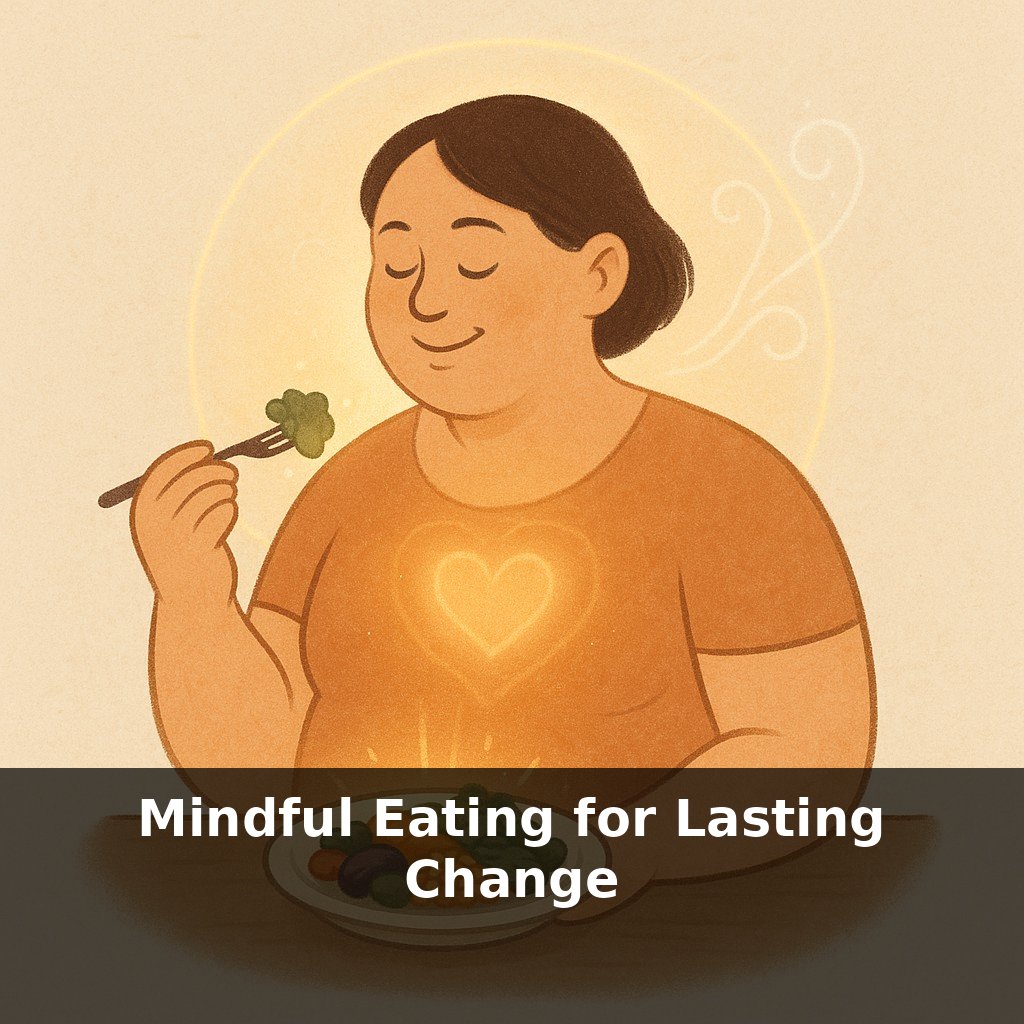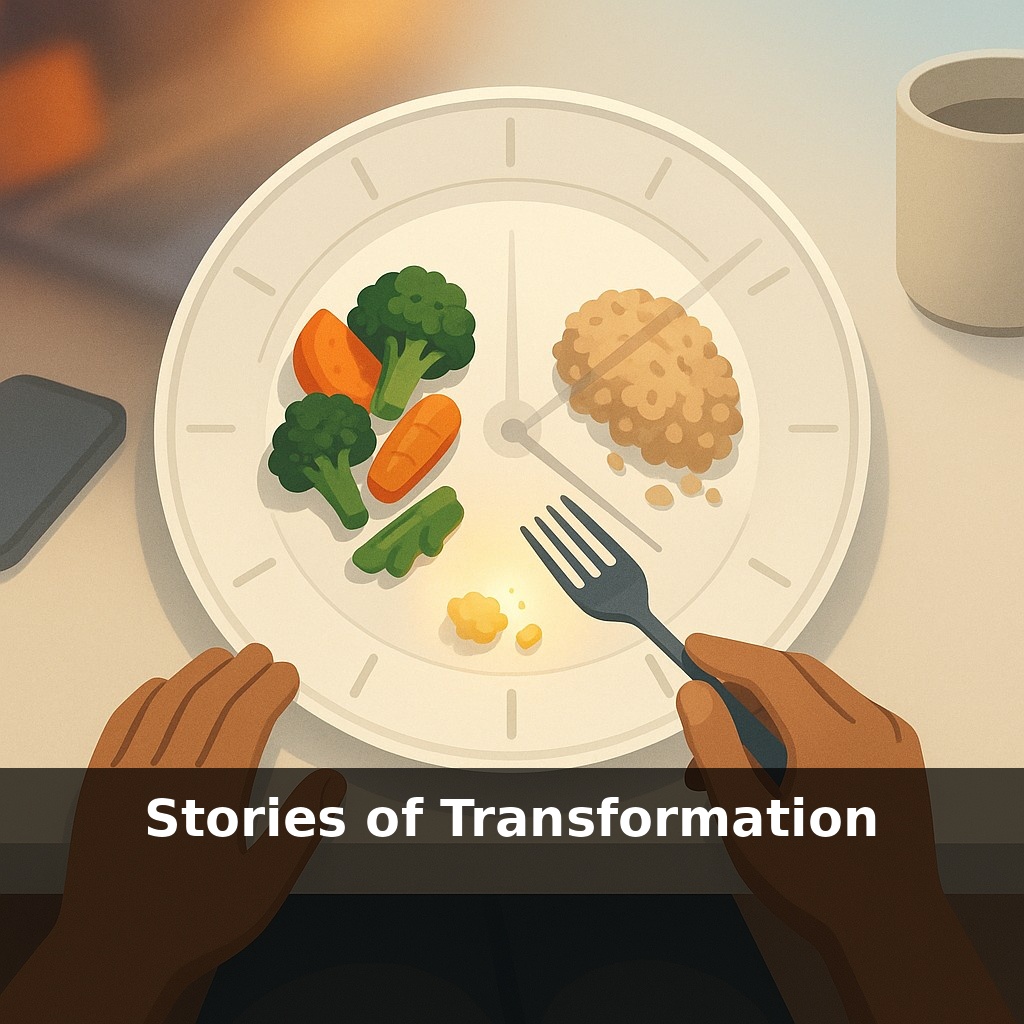
In the hustle and bustle of daily life, meals often disappear in less than ten minutes, barely leaving an imprint on your mind. You're scrolling, replying, rushing... and the plate empties before you even realize. However, it's in those few bites that linger where real transformation begins, revealing a path to mindful eating.
Eleven minutes—that’s the average lifespan of a meal. Yet when people stretch that to around twenty, something odd keeps showing up in the data: cravings quiet down, stress-eating drops, and the body starts behaving as if someone finally turned the “noise” down. Programs that weave this kind of deliberate attention into daily eating aren’t just helping people “be good” around food; they’re rewiring the very loops that used to trigger autopilot snacking. In real lives, that has translated into fewer binge episodes, modest but steady weight changes, and lab results that quietly improve in the background. The striking part? These shifts usually begin long before the scale or bloodwork catches up—often with small, almost boring moments like actually tasting the second bite, or pausing when your fork is already halfway back to your mouth.
In real programs, this “second-bite awareness” has done more than just calm late‑night snacking. Participants in mindful eating courses have seen binge episodes drop by half or more, small but steady weight loss that actually sticks, and blood sugar and cholesterol numbers quietly slide in the right direction. What’s striking is how ordinary their lives look from the outside: same jobs, same families, same busy schedules. The difference is that meals become training sessions for the brain—like daily software updates—where each pause, each noticed flavor, slightly reshapes how future cravings and choices unfold.
An 11‑minute meal doesn’t just end quickly; it trains your brain to expect quick hits of relief. Stretching that to 20–25 minutes, over and over, sends a very different message: “We have time. We can listen.” In lab settings, that extra space is linked to about a 25% boost in satiety hormones. In real life, it often looks like someone realizing, halfway through a usual “comfort” food, that the emotional storm has already passed—and they don’t actually need the rest.
What changes first isn’t the size of your portions, but the *relationship* between urge and action. Instead of cravings acting like commands, they start to feel more like notifications: “Hey, something’s up.” In a 4‑week app‑based program, people who simply practiced noticing those notifications—without forcing themselves to “be good”—saw craving scores drop by roughly 40%. The food environment stayed the same; what shifted was how much power the craving had.
That inner shift shows up in quality of life, not just on a scale. Across studies, people who score higher on mindful eating also tend to score about 1.5 standard deviations higher on the WHO well‑being index. They report less guilt after eating, fewer “I blew it, so why bother?” spirals, and a quieter, more reasonable inner voice around food choices. Mood and energy stabilize first; waistlines and lab reports often follow.
This is where a big misconception falls apart: mindful eating isn’t another diet silently obsessed with “good” versus “bad” foods. In fact, permission is part of the method. When you’re allowed to have the cookie, but asked to truly *meet* the cookie—its smell, texture, the point at which enjoyment drops off—binges often lose their drama. Several programs document binge‑eating episodes dropping by 50–75% not because particular foods were banned, but because the guilt‑restrict‑rebel cycle began to dissolve.
Think of it less as controlling what’s on your plate and more as redesigning the “interface” between your brain and your food. Like a clunky app that gets a series of small, smart updates, meals become moments where the buttons move, the alerts soften, and it becomes easier—almost obvious—to choose what actually leaves you feeling well an hour later, not just relieved for 30 seconds.
Mia, a nurse on rotating night shifts, started with one tiny experiment: for the first three bites of any snack, phone down, eyes on the food, and a quick check of “Where am I at—physically, emotionally?” Within a month, she noticed a pattern: the nights she felt most “snacky” were usually the ones she was actually angry or exhausted. Food wasn’t the problem; it was the cover story. Once she saw that, she began adding a five‑minute “decompression snack” after work—same food, different pace, plus a short wind‑down ritual. Her late‑night raids quietly dropped.
Rahul, a software engineer, used his debugging mindset at lunch. Any time he finished a meal feeling heavy or wired, he’d mentally log: “What was I hoping food would fix?” Over weeks, that log turned into clear “bug reports”: meetings he dreaded, deadlines he avoided. As he addressed those upstream stressors—asking for clearer priorities, blocking focus time—his midday “need” for sugar spikes eased, without a single rule about what he was allowed to eat.
As clinics test mindful eating alongside GLP‑1 drugs, a new pattern is emerging: people who practice awareness while medicated often keep calmer habits when prescriptions stop. Prototypes of AI wearables already flag tension spikes and nudge one or two slower bites, like a smart coach whispering from the sidelines. Public pilots in adolescent services hint at a future where food education includes mood skills, while culturally tuned programs fold these tools into family recipes instead of replacing them.
Your body is already running tiny experiments: heart rate nudges up, jaw tenses, breath shortens. Each is a quiet ping that something besides hunger might be speaking. Treat your next meal like checking notifications on a dashboard—scan, sort, respond. Your challenge this week: once a day, pause mid‑meal and ask, “What *non‑food* need is loudest right now?”