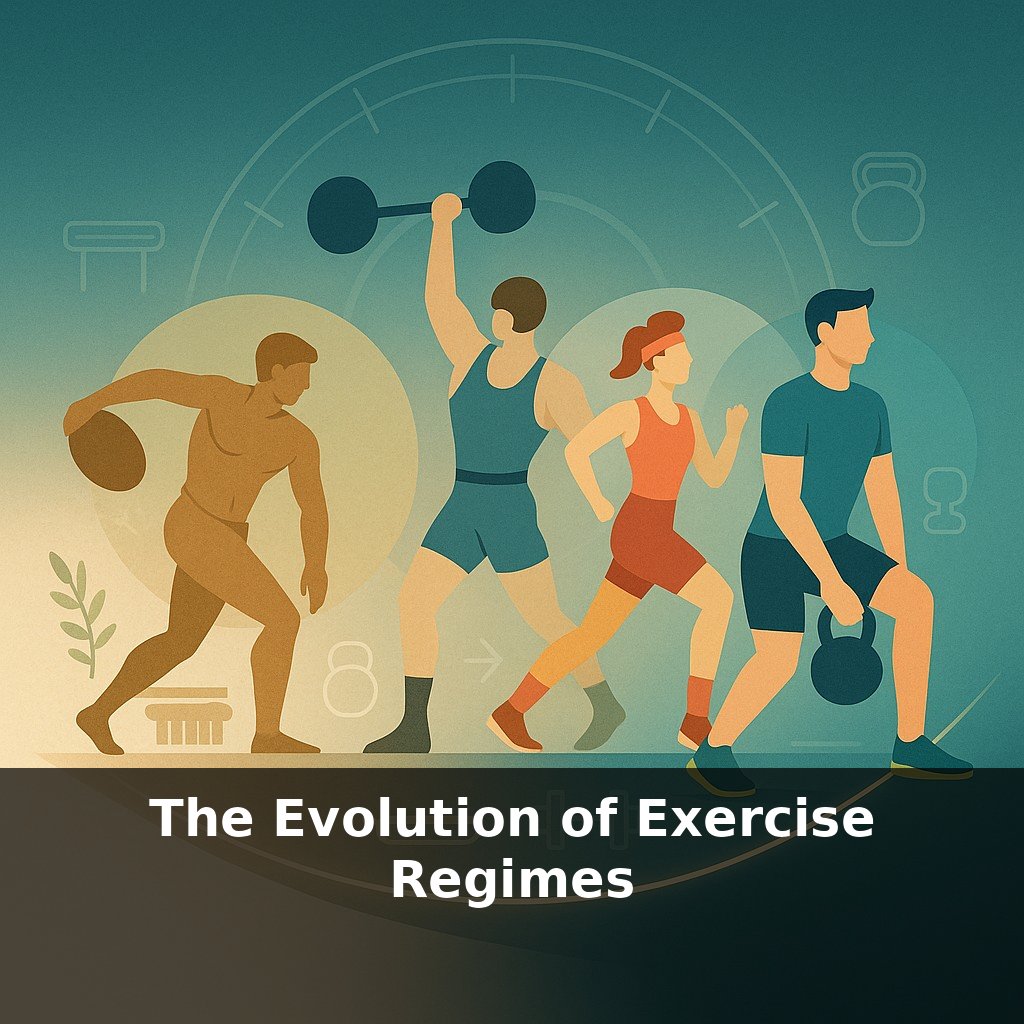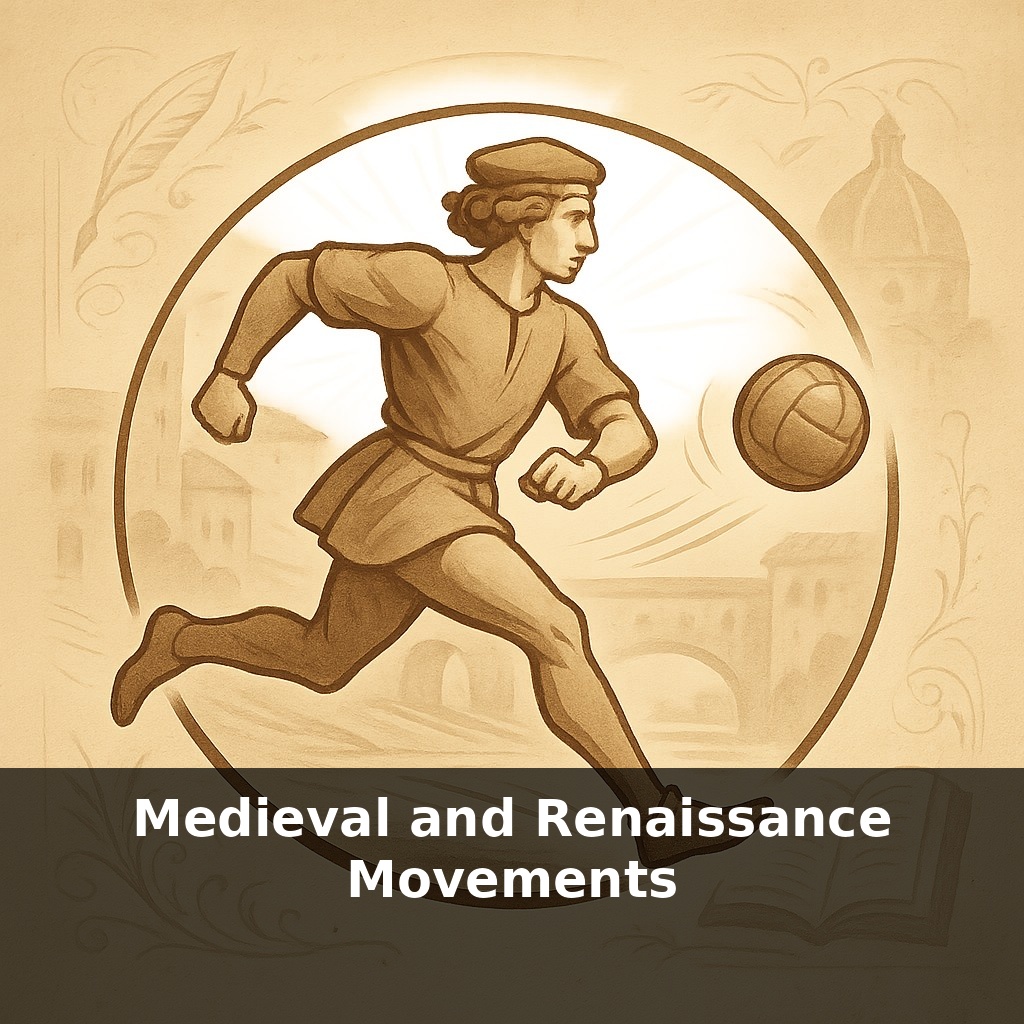
Steel clashes on a Florentine street. Spectators roar as men wrestle, kick, and sprint after a leather ball—while priests watch from balconies and scholars take notes. Is this chaos, or a carefully crafted workout? In the Renaissance, the answer was: both, and it was by design.
Not long before those roaring Florentine crowds, “exercise” in Europe mostly meant survival: plowing frozen fields, hauling water, marching in armor. Nobody counted reps; they counted winters lived through. Yet between the cloister and the battlefield, something subtle began to shift. Scholars, physicians, and even princes started to ask: what if moving your body wasn’t just a burden, but a tool you could shape—like a craftsman tuning his favorite chisel?
This rethink didn’t happen overnight. It emerged through church rules about mandatory archery, medical debates over idleness, and schoolmasters who quietly slipped games into the timetable. Step by step, movement crept from the margins of “hard labor” toward the center of education, health, and character. By the time Renaissance thinkers took the stage, they inherited a Europe already, if reluctantly, in motion.
Monks copied manuscripts by candlelight while, outside their walls, villagers strained at plows and soldiers drilled with bow or sword. Across these worlds ran a quiet thread: anxiety about what bodies should be doing when they weren’t working or praying. Was spare energy a moral risk, a medical asset, or both? Physicians fretted about “blocked humors,” nobles feared “softness” creeping into their ranks, and city leaders worried idle youths might trade games for riots—like a town forever adjusting the pressure in its water pipes, trying to keep flow without a burst.
Archery fields, tilting yards, and city squares became the testing grounds for a new idea: your body could be *educated*. Not just drilled like a soldier’s, but shaped with almost the same care you’d give to your soul or your Latin grammar.
One early sign sits in that 1363 statute from King Edward III. On paper, it’s military policy: skip Sunday archery, pay a fine. In practice, it nudged ordinary men into a weekly rhythm of training that looked a lot like a state-run fitness program. The point wasn’t fun; it was readiness. Yet repetition, familiar teammates, and informal competition turned duty into a kind of community sport. Town butts were as much social hubs as they were military infrastructure.
A few generations later, education reformers went further. Vittorino da Feltre’s “La Casa Gioiosa” didn’t just *permit* games; it scheduled them. Two hours a day for riding, swimming, ball games, even simple play. For aristocratic boys, this blurred the line between knightly preparation and deliberate physical education. For their teachers, it hinted at a formula: time + structured play = healthier, more teachable students.
City governments and guilds experimented too. Urban militias drilled with pikes; fencing masters opened schools where artisans, students, and minor nobles paid to learn how to move with precision and timing. These halls were half dojo, half social club. You could argue with a future lawyer in the morning and cross blades with him that afternoon.
When printers entered the scene, physicians seized the chance to codify all this. Girolamo Mercuriale, trawling through ancient Greek and Roman writings, didn’t just admire old athletics; he systematized them. His “De Arte Gymnastica” read like a user manual for bodies: who should walk, who should ride, who should practice “gentle running before meals,” and why. It’s as if a scattered set of folk practices, military routines, and schoolyard games were suddenly given an operating system and a help guide.
Through these experiments, “using your body” began to split into categories: work, training, recreation, and therapy. That division would matter enormously once early modern doctors and teachers started asking not only *whether* people moved, but *how much, how often, and to what end*.
Fencing halls and playing fields worked a bit like early laboratories: trial-and-error spaces where people quietly tested what different drills did to skill, courage, and even status. A young artisan might discover that paying for lessons with a famed swordmaster didn’t just keep him fit; it opened doors to patrons who’d never visit his workshop. Meanwhile, city leaders noticed that sponsoring public contests—horse races, throwing events, rough ball games—could redirect rivalries that might otherwise flare up at taverns or council meetings. Physicians sat at an interesting crossroads here. When they prescribed specific routines to patients recovering from illness or childbirth—short walks, riding at a gentle pace, light manual tasks—they were inching toward something like individualized training plans. Humanist teachers then folded these insights into timetables and conduct codes, nudging students to link posture, deportment, and controlled exertion with public credibility. Bodies became visible resumes, read in marketplaces, courts, and churches long before anyone spoke.
City councils and teachers didn’t just worry; they quietly prototyped solutions. New bylaws capped festival brawls but licensed regulated contests, like installing circuit breakers instead of cutting power. Humanist tutors tied grace in motion to future careers, so a clumsy heir risked more than stubbed toes—he risked his inheritance. Meanwhile, early insurers and guilds tracked injuries and absenteeism, hinting that “well-ordered bodies” might also mean stabler profits.
By 1600, this slow experiment had rewritten who “deserved” to feel strong. Artisans swung practice swords after work, scholars slipped from lecterns to riding grounds, and healed patients treated prescribed walks like tuning a delicate instrument. Your challenge this week: notice when you move *by choice*, and ask what story that choice tells about your life.