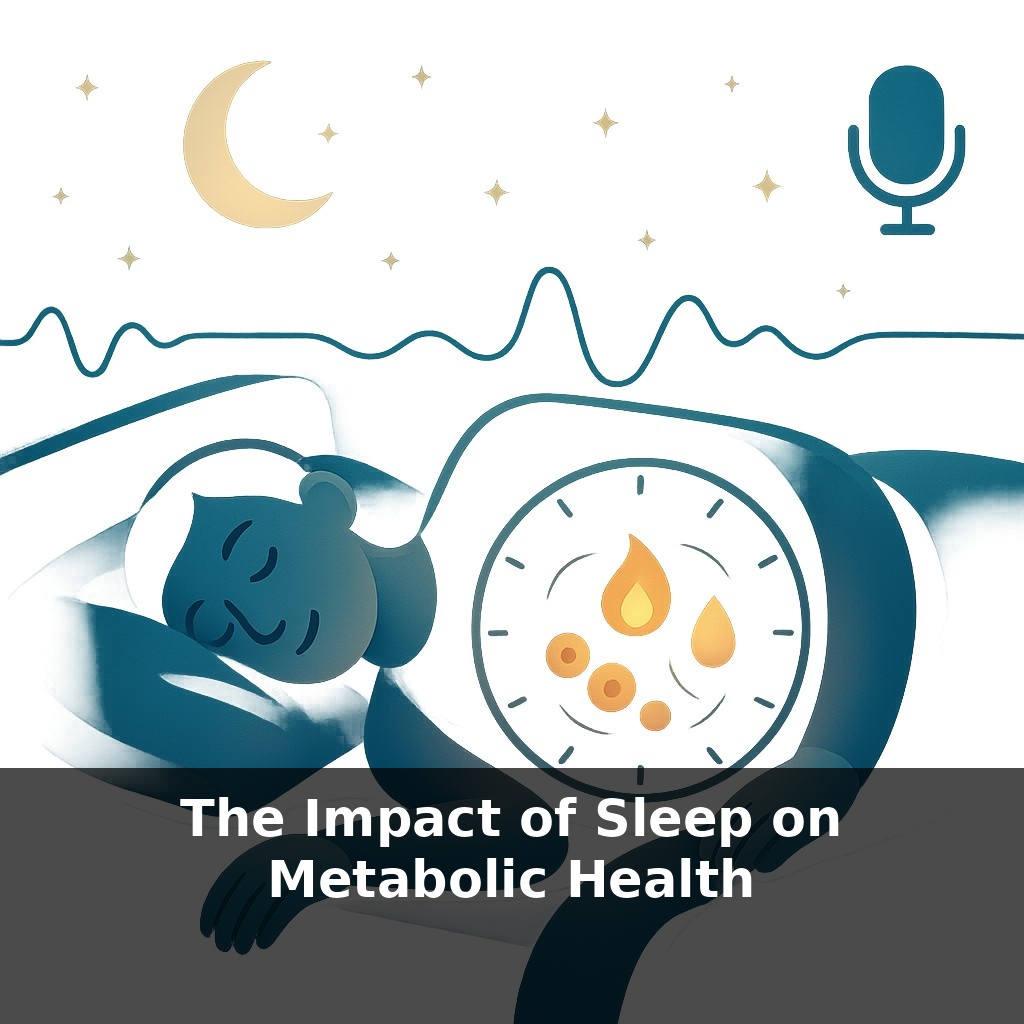
Last night, while you slept, your body quietly decided how hungry you’ll feel today, how easily you’ll gain weight, and how well you’ll handle sugar. Yet many of us treat sleep like optional downtime. So here’s the paradox: doing nothing all night may be the most active health choice you make.
While you’re offline in bed, your internal “night shift” clocked in on a strict schedule. First, it dimmed evening cortisol so your body wouldn’t stay stuck in daytime stress mode. Later, in deep sleep, it pulsed growth hormone to repair tissues and fine‑tune how muscles use fuel. Near morning, it quietly adjusted thyroid output, deciding how fast your engine will idle today. None of this feels dramatic, but small nightly tweaks accumulate, like nudging a thermostat a fraction of a degree—over months, the room ends up sweltering or freezing.
This is why mistiming matters as much as missing hours. Shift work, late‑night screens, and weekend “catch‑up” sleep don’t just make you groggy; they desynchronize those hormonal set‑points. The result: your body wakes up with yesterday’s instructions in a world that’s already changed.
Here’s where metabolism walks onto the stage. While you cycle through light, deep, and REM sleep, your liver, fat tissue, gut, and pancreas are quietly negotiating the day ahead: how much glucose to keep in circulation, how readily muscles will “open the door” to insulin, how aggressively to store extra calories as fat, and how loudly tomorrow’s cravings will speak. When you cut the night short or push sleep into odd hours, those organs still run their script—just misaligned with your meals, light exposure, and activity. Over time, that mismatch is what nudges metabolism off course.
Think of your night in chapters. Early in the night, when deep slow‑wave sleep is most abundant, your muscles quietly become more efficient at taking up glucose the next day. In lab studies, when researchers trim this specific window—without changing total time in bed—people wake up with higher blood sugar after the same breakfast and need more insulin to cope with it. Your body hasn’t “forgotten” how to use glucose; it’s just working off an outdated calibration.
Later, as REM sleep clusters toward morning, a different story unfolds. This stage is tightly linked to how your body handles fats in the bloodstream. When volunteers are selectively deprived of REM, their daytime triglycerides climb even if calories and activity stay constant. Over months or years, that small, invisible bump becomes the background noise of elevated cardiovascular risk.
Timing adds another twist. When you routinely delay sleep into the early morning, your internal clocks in liver and fat tissue no longer line up with the light‑dark cycle outside. Eating a late‑night snack in that state doesn’t just add “extra” calories; it lands when your gut absorbs nutrients differently and your pancreas is less prepared to respond. Identical meals eaten at 8 a.m. versus 11 p.m. can produce very different glucose and fat profiles in the same person purely because the internal timing system has shifted.
There’s also the issue of regularity. Alternating between short‑sleep work nights and long weekend lie‑ins creates a social jet‑lag that keeps those peripheral clocks permanently re‑tuning. Studies following thousands of adults show that this irregular pattern tracks with higher waist circumference and a steeper climb in blood pressure and fasting glucose, even after accounting for exercise and diet.
Under the hood, inflammatory signals edge upward and oxidative “wear and tear” in cells accumulates when nights are repeatedly fragmented or curtailed. That doesn’t make disease inevitable, but it does lower the threshold: the same diet and stress that were once manageable now push you closer to metabolic trouble.
Think about what this looks like in real life. One person works a steady 11 p.m.–7 a.m. hospital shift, another rotates between days, evenings, and nights every week. Both “get 7–8 hours,” but the first tends to show smaller jumps in blood pressure, waist size, and fasting glucose than the constantly rotating colleague. Same total sleep, different stability.
Or take two office workers who both stay up late: one consistently sleeps 1 a.m.–9 a.m., the other ping‑pongs between 11 p.m. bedtimes on weekdays and 3 a.m. on weekends. Long‑term data suggest the irregular sleeper is more likely to see creeping triglycerides and a rising BMI, even if they share similar diets.
At the opposite extreme are elite endurance athletes and serious strength trainees who start treating bedtime like a non‑negotiable workout. In studies, when they extend sleep by even 45–60 minutes, they not only hit performance personal bests more often but also show quieter inflammatory markers and more favorable blood‑lipid profiles over a season.
In the next decade, your bedroom could quietly become part clinic, part lab. Wearables may flag subtle pattern shifts—like rising overnight heart rate or temperature—that precede rising A1c by months, giving you a head start. Clinics might prescribe “sleep timing plans” the way they now prescribe statins, tuning light, meal schedules, and shift patterns. Cities could even score workplaces on circadian‑friendly design, much like current energy‑efficiency ratings, nudging employers toward healthier rosters.
Instead of chasing fixes after problems appear, treating your nights as data opens a quieter path: tracking how small shifts in light, meal timing, or wind‑down routines change your energy, cravings, or workouts. Like tuning an instrument between songs, modest, consistent tweaks can keep your system closer to harmony before anything drifts off‑key.
Try this experiment: For the next 7 nights, keep your sleep window fixed at 10:30 p.m.–6:30 a.m., and stop all food and caloric drinks by 7:30 p.m. each night. On days 1 and 7, measure your fasting blood glucose (or use your CGM snapshot if you have one) right when you wake up, and note your energy and hunger levels before breakfast. During the week, avoid bright overhead lights and screens without night mode for 60 minutes before bed, and instead use dim lamps and no caffeine after 2 p.m. At the end, compare your fasting glucose, morning hunger, and afternoon energy crashes from the first three days versus the last three to see if consistent sleep and earlier eating improved your metabolic steadiness.