Right now, as you’re listening, your brain is quietly deciding how stressed you feel. No emails, no traffic jam required. In this episode, we’re going to step inside that decision process and test whether a few silent breaths can actually change the answer.
You’ve already seen that your stress response can flip on without any obvious danger. That might sound discouraging—until you realize it can also be flipped down using tools that are just as invisible. This is where mindfulness and meditation stop being buzzwords and start acting like practical controls on your internal dashboard.
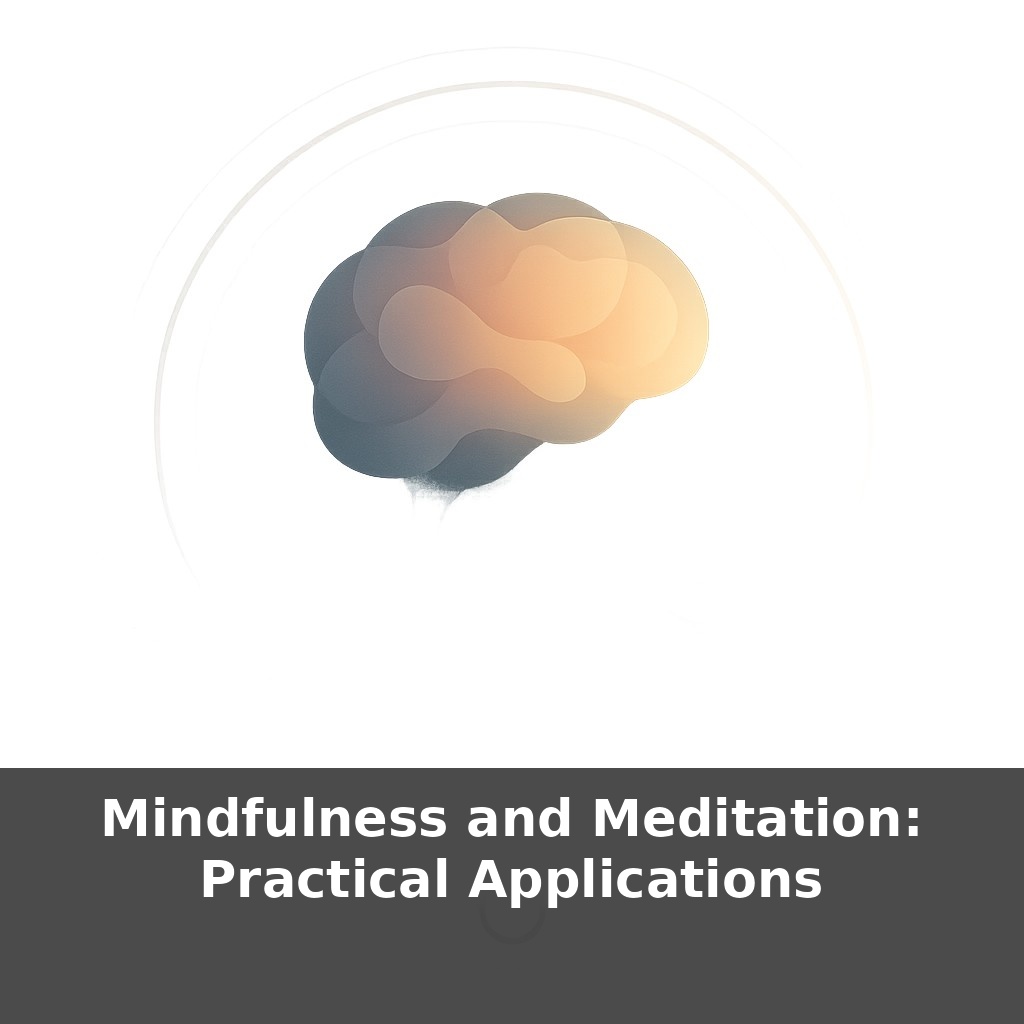
We’re not talking about moving to a monastery or sitting still for an hour while your to‑do list screams at you. We’re looking at brief mental “software updates” that you can run between meetings, in a parked car, or as you wait for your coffee. In hospitals, boardrooms, and even on factory floors, people are using these practices to lower stress markers in their blood, sharpen focus, and recover faster from daily pressure.
In this episode, we’ll test what happens when you treat your attention as a trainable skill, and we’ll translate lab results into tiny, real‑world experiments you can run today.
Here’s the twist: most people first meet these practices in a yoga studio or wellness app, but the strongest evidence for them comes from high‑pressure environments—surgical wards, trading floors, even military training. Researchers track what happens not just to mood, but to blood pressure, immune markers, and error rates on complex tasks. The pattern is consistent: when people train this way, they make fewer snap mistakes, recover faster after bad news, and sleep a bit more deeply. In other words, the payoff isn’t just feeling calmer; it’s functioning better when stakes are high.
Here’s the part most people miss: those quiet practices don’t just change how you *feel* in the moment; they change what your body and brain do *next*.
In clinical programs like MBSR, people start with very short, structured exercises: noticing the breath for a few minutes, scanning sensations in the body, or paying close attention to sounds. Over weeks, they’re not just “relaxing”—they’re rehearsing a different sequence of internal events when something stressful happens. Less automatic clench, more brief pause; less cascade, more choice.
Neuroscience labs see this as shifting traffic between brain networks. Regions that flag threats quiet down a bit faster; regions that help you label and reframe experiences stay more online. That translates into everyday moves: catching yourself before firing off a sharp email, staying with a tough conversation 30 seconds longer, falling asleep without replaying the entire workday.
Even very brief, app‑based courses can matter here. In one workplace study, a few weeks of guided sessions led to lower self‑reported stress and measurable gains in productivity—people got more done in less time, with fewer mental “tabs” open. In hospital trials, similar trainings helped patients tolerate pain and uncertainty with fewer medications.
Think of it like upgrading the operating system on your phone: the hardware is the same, but background processes run more smoothly, and demanding apps crash less often. You still get notifications, but they don’t freeze the whole screen.
To make this concrete, it helps to separate three “channels” you can train:
1. **Internal sensations.** Brief body‑scan practices tune your ability to catch early signs—tight jaw, shallow breath—before they snowball.
2. **Thought patterns.** Noting exercises (“planning, worrying, remembering”) create just enough distance from mental stories that they stop feeling like commands.
3. **Reactions.** Short compassion or kindness practices make it likelier you respond to strain—your own or someone else’s—without defaulting to blame or withdrawal.
Different settings emphasize different channels. A call‑center might focus on reaction drills between difficult calls; a medical unit might lean on body awareness before procedures. The common thread: small, repeatable practices that gently rehearse a new default under pressure.
Think of a busy customer‑support team. One company added a 60‑second “reset” at the end of each call: agents muted their headsets, felt their feet on the floor, noticed three breaths, then glanced at a sticky note asking, “What matters for this next person?” Within a month, supervisors reported fewer escalations and shorter average call times—not because callers were nicer, but because agents were less dragged forward by the previous interaction.
On a very different stage, a professional basketball coach asked players to close their eyes at the free‑throw line in practice, take one deliberate breath, and silently label whatever was present—“tension,” “doubt,” “focus.” During games, the same micro‑ritual took less than five seconds, but post‑season stats showed a small bump in accuracy and a bigger shift in late‑game composure: fewer rushed shots, more coordinated plays, and veterans saying, “I don’t spin out as fast when we’re down.”
As schools, clinics, and employers normalize brief practices, the baseline expectation of “how we cope” could shift. Instead of stress‑management being a niche wellness perk, it might look more like hygiene: short, built‑in pauses before complex tasks, tough meetings, or grading marathons. Widespread use of biofeedback and AR could personalize these micro‑breaks, nudging people toward what works for *their* patterns rather than generic advice or one‑size‑fits‑all programs.
You don’t have to overhaul your life to test this. Think of it as tweaking the dials on a soundboard rather than replacing the whole system: a breath before you unmute on Zoom, a pause before you open a message, a scan while coffee brews. Over days, those tiny edits can turn a blaring soundtrack into something more playable—and more your own.
Try this experiment: For the next three days, pick one routine activity from the episode—like brewing your morning coffee or brushing your teeth—and turn it into a 3-minute “mini retreat.” As you do it, silently label what’s happening in real time (e.g., “smelling,” “pouring,” “warmth on my hands,” “swallowing,” “thinking about my inbox”) exactly as they described in the show. Each evening, rate your stress level before and after that mini retreat on a 1–10 scale and notice if the gap changes over the three days. If you find the gap widening (more calm after), extend the same mindful labeling to one stressful moment tomorrow—like checking email or commuting—and see whether it slightly changes how you react.