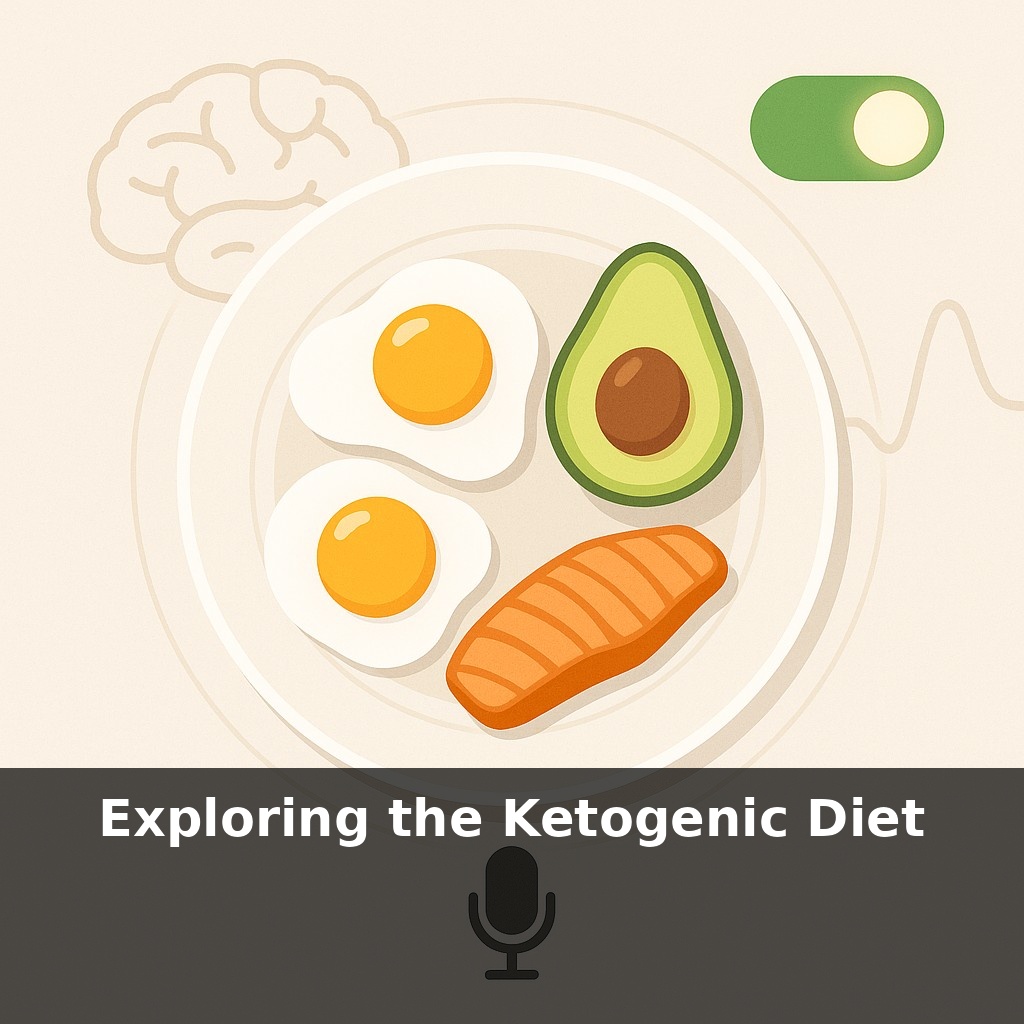
You eat bacon and eggs for breakfast, skip the toast, and—strangely—you aren’t hungry again for hours. Later, your friend swears cutting most carbs “flipped a switch” in their body. Are they just lucky, or is there a real metabolic gear shift hiding behind the keto buzzword?
Keto’s surge in popularity didn’t start in gyms or wellness blogs—it started in hospitals. Long before “bulletproof coffee,” neurologists were using very high‑fat, very low‑carb diets to calm seizures in children whose medications had failed. Only later did researchers and dieters begin testing whether that same nutritional switch could shrink waistlines, steady blood sugar, or sharpen mental focus. Today, you’ll see keto labels on snack bars, frozen meals, even ice cream, each promising to tap into that same biological trick. But buried beneath the marketing are hard trade‑offs: strict carb limits, possible nutrient gaps, and blood tests that sometimes bring surprises. As we unpack keto, we’re not chasing hacks—we’re asking a more practical question: where, if at all, does this demanding diet genuinely earn a place in everyday life?
Instead of asking “Is keto good or bad?” it’s more useful to ask, “Good or bad for whom, and for how long?” The answer looks very different for a child with drug‑resistant epilepsy, an adult with type 2 diabetes, and a weekend warrior trying to “lean out” before summer. Daily life on keto also varies: some people thrive on repetitive, simple meals; others struggle the moment office birthday cake appears. Like a demanding mountain trail, the route can be rewarding, but only if your fitness level, equipment, and goals actually match the climb you’re choosing.
If you strip keto down to its working parts, you’re mostly adjusting three dials: carbs, fat, and protein. The catch is that all three matter at once; you can’t just crank up fat and call it done.
The first dial—carbs—is about precision more than ideology. Therapeutic approaches often land around 20–50 g of net carbs per day, but the actual number is surprisingly individual. Some people see measurable ketones while still eating a small serving of fruit or lentils; others have to be stricter. That’s why clinicians sometimes use blood beta‑hydroxybutyrate (BHB) levels (≥0.5 mmol/L) as feedback, rather than relying on food rules alone.
Fat is the second dial, and it’s where expectations tend to collide with reality. “High‑fat” can mean avocados, olive oil, nuts, and salmon—or it can mean processed meats, butter‑laden coffee, and cheese mountains. Both hit macro targets, but they don’t land the same way on your arteries, digestion, or long‑term risk profile. In studies where LDL cholesterol climbs sharply, it’s often in people leaning heavily on saturated fats and low in fiber‑rich low‑carb plants.
Protein is the third, often misunderstood dial. Go too low, and you risk losing muscle during weight loss; go very high, and some people see ketone levels drop as the body converts extra amino acids into glucose. That’s why therapeutic versions like the classic 4:1 epilepsy diet or the modified Atkins approach set explicit limits on protein as well as carbs, then build fat around what’s left.
Zooming out, there are really several “keto‑like” patterns under the same umbrella. The classic 4:1 formula is strict and medical. Modified Atkins loosens the fat ratio and lets people eat more freely within carb caps. Low‑glycemic‑index variants allow a bit more carbohydrate, but from slower‑digesting sources. All of them trade food flexibility for stability in symptoms or markers.
And beyond macros, the real‑world outcome has as much to do with execution as with theory. A plate built from non‑starchy vegetables, quality proteins, and mostly unsaturated fats is a different intervention than one dominated by packaged “keto snacks.” The label may be the same; the physiology and sustainability are not.
A useful way to see how those three dials play out is to look at how different people might “compose” their plates. Think of a graphic designer working with three colors: one builds a calm, balanced layout; another creates a loud, cluttered poster using the same palette.
One person aims to steady afternoon crashes. They keep breakfast simple: eggs cooked in olive oil with spinach, plus a few walnuts. Lunch is a salad loaded with leafy greens, grilled chicken, pumpkin seeds, and an oily vinaigrette. The carb dial isn’t just low; it’s focused on vegetables that bring along potassium and magnesium, two minerals that often drop when carb‑rich foods disappear.
Another is experimenting for endurance training. They keep carbs low most days, but on long run mornings they add a small baked potato or a banana, then drop back under their usual carb ceiling afterward. They’re not chasing perfect ketone readings; they’re testing whether a “mostly low” pattern is enough to improve energy without wrecking performance.
Some researchers now see keto less as a fixed diet and more as a tool you cycle in and out of. Short “blocks” of ketosis, then higher‑carb phases, might balance metabolic benefits with social flexibility. Emerging work hints that timing could matter too—like using ketone esters briefly around chemo, or before cognitively demanding tasks, the way a photographer swaps lenses only when the shot truly demands it.
Your challenge this week: skim one new keto study and note how *narrow* its target is.
Keto, then, isn’t a verdict—it’s a tool with a narrow blade. For some, it may carve out a season of better control; for others, it may feel like using pruning shears where a small trim would do. The real question isn’t “Is keto good?” but “Under whose circumstances, for how long, and with what guardrails?” The answers will be personal, and they may change over time.
Start with this tiny habit: When you open your fridge, pause for 5 seconds and move one higher-carb item (like juice, soda, or leftover pasta) to the back and slide a keto-friendly option (like eggs, cheese, or avocado) to the front. Don’t change what you’re eating yet—just rearrange. This tiny tweak trains your brain to “see keto first” without any willpower. Do it every time you open the fridge today and notice what foods you’re starting to think about more.