On a tiny Greek island, people reach their nineties so often it’s almost ordinary. No fancy supplements, no $200 powders—just simple food, long walks, and unhurried meals. So here’s the puzzle: how can such an old way of eating be the cutting edge of modern nutrition science?
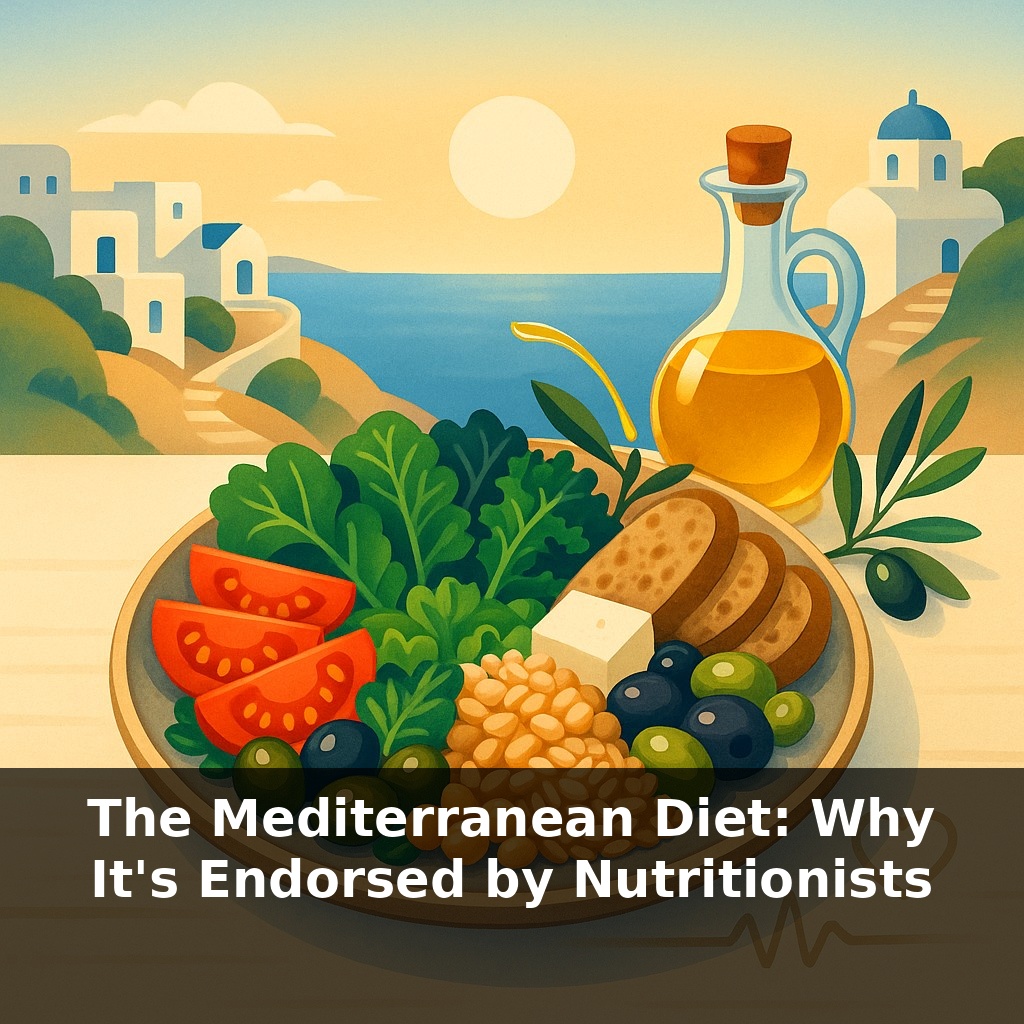
What makes this way of eating so powerful isn’t a single “superfood,” but the pattern you see when you zoom out. Plates aren’t built around steak with a side of vegetables; they’re built around plants, with animal foods playing supporting roles. Lunch might be a bowl of lentil soup, a heel of crusty whole-grain bread, ripe tomatoes splashed with extra-virgin olive oil, a few olives, and maybe a little grilled fish. Dessert is more likely an orange or a handful of nuts than cake. Just as a well-composed painting balances light and shadow, this pattern balances healthy fats, slow-digesting carbs, and protective plant compounds in a way your body can use gracefully—meal after meal, year after year—without feeling like you’re on a “diet” at all.
Instead of counting every calorie, this approach quietly shifts the “default setting” of your day. Breakfast might be yogurt with nuts and fruit instead of sugary cereal; dinner might be chickpea stew with greens and olive oil instead of a heavy meat-and-potatoes plate. Wine, if you drink it, is sipped slowly with food, not chugged at the end of a stressful day. Movement weaves through routines—walking to the market, climbing stairs, tending a garden. Meals stretch a bit longer, shared with others, so you eat more slowly and notice when you’re satisfied rather than stuffed. Over time, those small, almost unremarkable choices compound into protection.
At the heart of why nutritionists love this pattern is something very un-dramatic: consistency. Across huge studies, people who eat *more* like this—not perfectly, just more often—tend to have lower blood pressure, healthier cholesterol patterns, better blood sugar control, and less inflammation simmering in the background. It’s like slowly turning down the volume on dozens of tiny risk factors at once, rather than hunting for one magic button.
A big piece of that quiet protection comes from fat quality. Instead of lots of butter and processed oils, extra‑virgin olive oil and nuts dominate. That tilt toward monounsaturated fats, plus modest omega‑3s from fish and some plant sources, helps keep arteries more flexible and LDL (“bad”) cholesterol less likely to oxidize and irritate vessel walls. In the PREDIMED trial, simply enriching meals with extra‑virgin olive oil or mixed nuts—not restricting calories—was enough to cut major cardiovascular events.
Carbohydrates look different here too. They mostly arrive packaged with fiber: lentils, beans, barley, oats, vegetables, fruit. That slows digestion, blunts blood sugar spikes, and feeds gut microbes that, in turn, produce compounds linked with lower inflammation and better metabolic health. People following this pattern show lower risk of developing type‑2 diabetes, and those who already have it often see improved control when they shift in this direction.
Layered on top is a dense mix of polyphenols and other plant chemicals from herbs, leafy greens, onions, garlic, and deeply colored fruits. These don’t act like pharmaceutical drugs, but they nudge multiple pathways—antioxidant defenses, blood vessel function, cell repair—toward resilience. That may help explain why higher adherence is associated with lower rates of certain cancers and slower cognitive decline in aging populations.
Crucially, none of this depends on perfection. Many traditional eaters enjoy white bread, cheese, and small sweets; what matters is that these sit inside a landscape dominated by plants, olive oil, and minimally processed foods, eaten in portions that leave you comfortably satisfied. Because it’s built from ordinary, affordable staples—dried beans, seasonal produce, bulk grains—it tends to be easier to stick with than rigid, rule-heavy plans.
That sustainability is exactly what makes nutrition professionals keep coming back to it: not as a 30‑day reset, but as a pattern you can realistically live with for decades, while your risk curves quietly bend in a better direction.
Think of a typical week and how this could actually look without overhauling your life. Instead of hunting for “Mediterranean recipes,” start by upgrading what you already eat. If tacos are a staple, keep them—but swap in black beans, sautéed peppers, a drizzle of olive oil, and plenty of salsa, using a little crumbled queso instead of a mound of cheese. Pasta night? Make the pasta a base for a pan of roasted vegetables, chickpeas, garlic, and herbs, with grated cheese as a garnish, not the main event.
Lunch at work could shift from a deli sandwich to a grain‑and‑bean bowl: leftover brown rice or farro, a can of rinsed beans, chopped cucumber and tomato, a handful of greens, olives or nuts, and a quick olive‑oil‑lemon dressing in a jar. Even breakfast can lean this way with whole‑grain toast topped with mashed white beans, sliced tomato, and a splash of olive oil and oregano.
As with learning a new language, fluency comes from small, repeated choices, not one perfect sentence.
Cardiologists and climate scientists rarely share the same hero, yet this way of eating is quietly becoming one. As precision nutrition grows, your future “Mediterranean” might be custom‑tuned to your genes and gut microbes—more barley for one person, extra lentils for another. On a bigger stage, governments and hospitals are testing it in cafeterias the way cities test new transit lines, while farmers far from the sea experiment with olives and pulses to meet shifting demand.
So the real takeaway isn’t to “eat like a Greek grandma” overnight, but to keep nudging your routine closer—one swap, one recipe, one habit. Your challenge this week: choose a single meal you eat often and give it a Mediterranean remix, then note how your energy, hunger, and mood respond over the next three repeats.