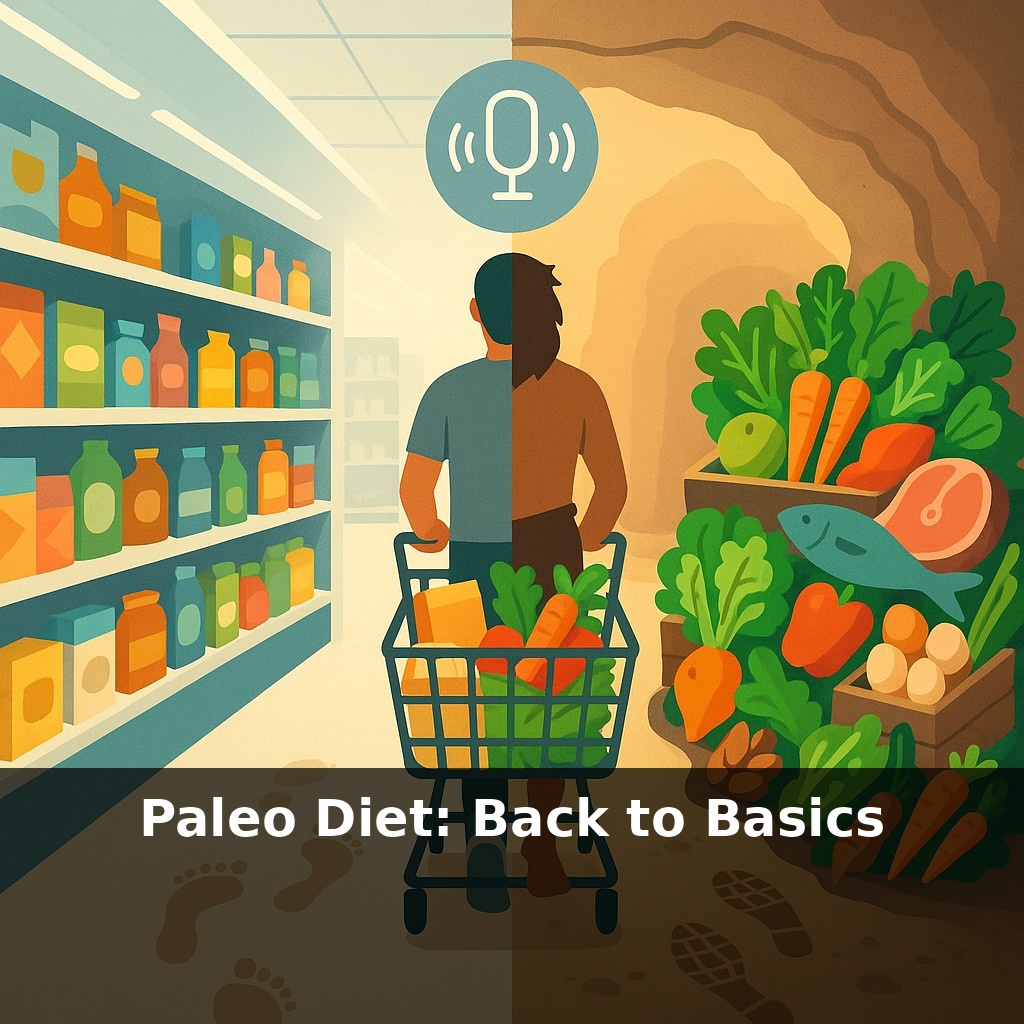
About half the foods in a typical supermarket wouldn’t exist for our distant ancestors—yet they make up most of what many of us eat each day. You’re tossing boxes into your cart, but here’s the twist: some “healthy” labels may be the very thing holding your body back.
Walk down the aisles and it’s like scrolling through a dating app for food: “natural,” “clean,” “ancient,” all promising to be *the one*. The Paleo diet taps into this longing by offering a simple story: eat like your ancestors and your modern problems will fade. That story is catchy—but reality is messier and more interesting.
We don’t actually know exactly what any single “Paleolithic diet” looked like; it varied wildly by region and season. Still, the modern Paleo template—meat, fish, eggs, vegetables, fruits, nuts, and no grains, legumes, or dairy—*does* push people toward fewer ultra-processed foods and more whole ingredients. Research shows this can shift your plate toward more protein, fiber, and unsaturated fats, with early improvements in weight, blood pressure, and cholesterol. The open question: is “Paleo” uniquely powerful, or just another path to eating less junk and more real food?
Here’s where things get interesting: the “rules” of Paleo sound ancient, but most real-day Paleo plates are shaped by modern grocery stores, social media, and meal-prep culture. A hunter‑gatherer never debated almond flour vs. cassava tortillas on a weeknight. Many people are drawn in by before‑and‑after photos, #paleo recipe feeds, and the promise of effortless weight loss—then hit practical snags: eating out, family meals, tight budgets, or cravings for bread and lattes. The real question isn’t “Is Paleo pure?” so much as “Can this pattern actually fit a real, busy, modern life?”
Here’s the twist behind all the “back to our roots” talk: most successful Paleo eaters aren’t actually chasing historical accuracy—they’re using the rules as training wheels to change habits.
In practice, people usually start by cutting out obvious “no” foods: breakfast cereal, bakery items, sugary drinks, packaged snacks. The first week or two often feels dramatic: less bloating, fewer energy crashes, sometimes quick movement on the scale. That’s less magic and more math—fewer easy-to-overeat foods, more satiating ones. But the honeymoon period fades, and this is where outcomes start to diverge.
Some people slide into a meat‑heavy pattern with piles of bacon, burgers without buns, and very few plants, then wonder why digestion, energy, or LDL cholesterol go sideways. Others lean into variety: colorful vegetables at most meals, fruit instead of dessert, seafood several times a week, nuts and olive or avocado oil replacing the usual baking aisle picks. Those plates tend to track closer to what clinical trials study and where the metabolic benefits show up.
There are also quiet nutrient traps. Without dairy or fortified grains, calcium and iodine can dip; without legumes or intact grains, certain fermentable fibers drop unless you deliberately pile on roots, tubers, onions, garlic, and similar foods. Athletes sometimes notice flagging performance if they ditch starches entirely instead of keeping modest portions of potatoes, sweet potatoes, or fruit.
Socially and psychologically, the “forbidden list” can be double‑edged. A clear line makes decisions easier at first—office cake is simply “not my food.” Over months, though, rigidity can backfire: guilt after a slice of pizza, or a binge‑and‑“start over Monday” cycle. The most sustainable versions quietly loosen over time: a bit of dairy if tolerated, oats or rice on heavy training days, a slice of birthday cake without drama.
Think of it less as reenacting the Stone Age and more as using a structured reset to notice which modern foods actually serve you—and which ones keep you stuck.
A useful way to test-drive this style of eating is to zoom in on *moments* rather than overhaul your whole identity. Think about three real situations: a rushed weekday breakfast, a desk lunch, and a late‑night snack. In each, you can run a small “Paleo‑leaning” experiment without announcing you’re on a diet.
For breakfast, swap the grab‑and‑go pastry for something built from eggs, leftover vegetables, and a handful of berries. At lunch, trade a bread‑heavy meal for a big salad topped with chicken or salmon, plus olive oil and avocado. Late at night, put your usual snack next to a plate of sliced fruit and nuts and honestly notice which one actually leaves you feeling better 30 minutes later.
Like adjusting a hiking route as you go, you’re not locked into a single strict path; you’re watching how different terrain—more or fewer starches, more or fewer animal foods—changes your energy, digestion, and cravings, then tweaking tomorrow’s map accordingly.
More people chasing this template could reshape what “normal eating” looks like. Cafés might default to veggie‑heavy plates and grain‑free sides, while meal‑delivery services offer menus sorted by “ancestral‑style” preferences. Sports teams and clinics could quietly test ancestral‑leaning plans in rotation with other patterns, tracking who responds best. Your grocery cart becomes a tiny experiment station, where new defaults today hint at how food culture may bend tomorrow.
Your challenge this week: run a 7‑day “ancestral audit” of just one meal. Keep what you already eat, but next to it, add a simpler option—say, roasted roots and greens with some fish or beans. Eat both on different days, then jot quick notes on focus, mood, and sleep. By week’s end, you’re not “on Paleo”—you’re curating a menu that actually fits your life.