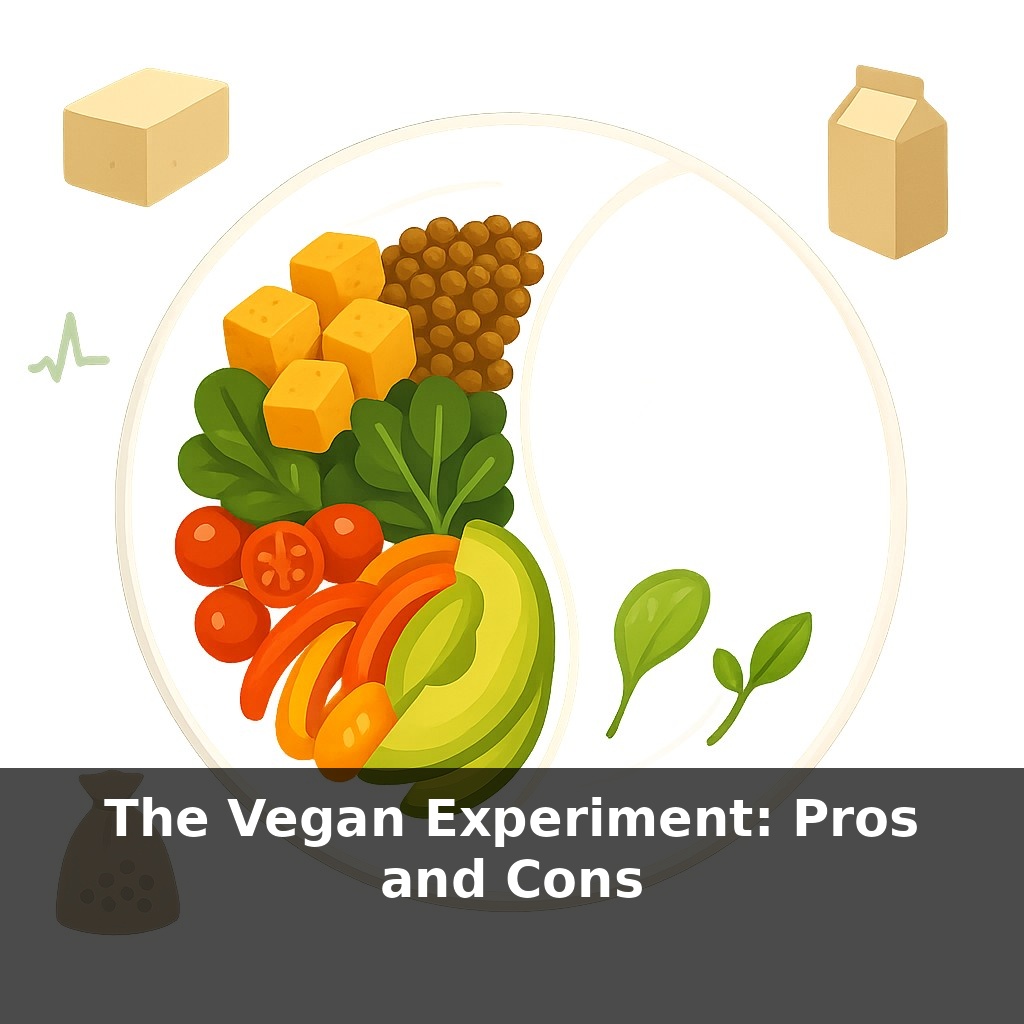
Researchers say a well-planned vegan diet can cut your risk of major diseases *and* your carbon footprint—yet some new vegans end up tired, foggy, and undernourished. In this episode, we step into that tension: can one plate of food really be both a health upgrade and a climate tool?
Suddenly your grocery list looks like a policy statement: tofu instead of chicken, oat milk over dairy, lentils where ground beef used to be. On paper, it feels like a win for your body and the planet. But halfway through week two, your energy dips, your cravings spike, and you start to wonder whether this experiment is actually working—or just wishful thinking with good branding.
Here’s where things get interesting. The benefits people associate with going vegan don’t come from the label on the food, but from the details behind it: how often you lean on whole foods versus ultra-processed options, which nutrients quietly disappear when animal products leave your plate, and how your choices ripple through supply chains, farms, and even global markets.
In this episode, we’ll pull those threads apart so you can test veganism on your own terms.
So before you swap your cheese for cashew spread or your burger for black beans, it helps to zoom out. Food isn’t just fuel; it’s also culture, budget, convenience, and identity, all crammed onto a single plate. You might be cooking for kids who hate lentils, juggling late shifts with zero time to soak beans, or living in a town where “plant-based” means sad iceberg salad. Think of this episode as a low-stakes test kitchen: we’ll look at where nutrients can quietly slip, how costs and access shape your options, and what happens when ethics, taste, and real life collide at dinnertime.
Turn from the big picture to your actual plate and three questions emerge: what’s happening to your body, what’s happening to the planet, and what’s happening to other people when you eat this way.
On the health side, most new vegans feel different within weeks—sometimes lighter, sometimes just hungrier. That’s often fiber talking. Beans, whole grains, nuts, and vegetables can double or triple your usual fiber intake, which helps blood sugar, gut microbes, and cholesterol, but also means gas, bloating, or bathroom “surprises” if you sprint instead of jog into the change. Gradually scaling up portions and drinking more water makes the transition less dramatic.
Protein is the next anxiety. Yet when you zoom out over a whole day—oats with soy milk, a lentil soup, hummus and whole-grain bread, tofu stir-fry—you quietly meet or exceed needs without protein shakes. The trick is mixing different sources so you’re not leaning on just pasta and peanut butter. That same mix also covers most amino acid requirements without you having to think like a biochemist.
Micronutrients are sneakier. Vitamin B12 is the one red line: it’s effectively missing when you drop animal foods. A small daily supplement or a few higher-dose hits each week closes that gap. Iron, iodine, calcium, and omega‑3s are more about pattern than pills—using iodized salt, choosing leafy greens and fortified plant milks regularly, tossing ground flax or walnuts onto breakfast, and pairing plant iron with vitamin‑C‑rich foods so more of it actually gets in.
Environmentally, the dial moves further than most people expect. Swapping even one beef burger for a black‑bean version cuts climate impact by about an order of magnitude. Multiply that by weekly habits and you’re quietly making the kind of shift climate reports model in charts, not slogans. The catch: not every “vegan” choice is automatically gentle. Highly processed meat analogues flown across continents or wrapped in layers of plastic can start nibbling away at those gains.
Then there’s the social layer. Opting out of animal foods reduces direct demand for livestock, but it also brushes up against jobs, traditions, and tight budgets. A rural cattle farmer and an urban student with three roommates don’t experience this shift the same way. Policies, not just personal choices, determine whether farmers can pivot to pulses or specialty crops without being financially stranded.
Your challenge this week: run a mini “vegan stress test” on one meal a day. For seven days, pick a meal you already eat and build a plant‑only version that still hits three boxes: (1) a clear protein source, (2) at least two colors of plants, and (3) one fortified or supplemented source of B12 in your overall day. On two of those days, check the environmental side: compare your plant meal to the animal version using a simple carbon‑impact tool or chart you find online. Notice where the swap feels easy, where you struggle (price, taste, effort), and what patterns emerge. This isn’t about perfection—it’s about gathering data on how a vegan pattern actually fits your life.
Think about real people running their own versions of that “vegan stress test.” A software engineer in Chicago batches big pots of chili with black beans, sweet potato, and cocoa powder on Sundays; for her, the win isn’t a label, it’s that Thursday nights no longer end in delivery apps. A retired couple in Spain keeps their usual tapas routine but swaps chorizo for grilled artichokes and marinated chickpeas twice a week, treating it less like a moral overhaul and more like learning a new regional cuisine.
Even companies experiment. When a small burger chain in the U.K. added one bold plant-based special a month—pulled jackfruit one round, smoked tempeh the next—they discovered regulars ordered it when the flavor sounded exciting, not when it sounded “virtuous.” That’s often the hinge: framing changes as curiosity instead of sacrifice.
Like exploring a new hiking trail, you don’t commit to moving there; you just see where it leads, note the steep bits, and decide whether it’s a path you’d like to take more often.
Shifts like your “vegan stress test” can ripple outward. If enough people keep up small swaps, supermarkets widen plant‑based shelves, schools tweak menus, and chefs treat beans and seaweed like new paint colors, not substitutes. Policy often follows these quiet shifts in taste. Think of each meal as casting a tiny vote for the food system you’d rather see—over time, those votes can nudge investment, research, and even farmland toward different futures.
Think of this less as picking a side and more as tuning a radio: slight shifts in what you buy, cook, and enjoy can reveal stations you didn’t know existed—new flavors, new routines, even new dinner conversations. As you experiment, notice not just how you feel, but which changes you’d actually keep if no one else ever knew you made them.
Before next week, ask yourself: Where in my current meals (like breakfast smoothies, sandwiches, or snacks) could I most easily swap animal products for a vegan option for just seven days, and what exact foods would I choose instead? When I imagine doing this “mini vegan experiment,” what am I most worried about—low energy, missing cheese, social situations—and what’s one practical way I could test whether that worry is actually true (for example, tracking energy, trying a vegan cheese, or planning what to order at my usual restaurant)? After three vegan-style meals in a row, how do my body, mood, and digestion honestly feel compared to my usual eating, and what does that tell me about whether I want to continue, adjust, or abandon the experiment?