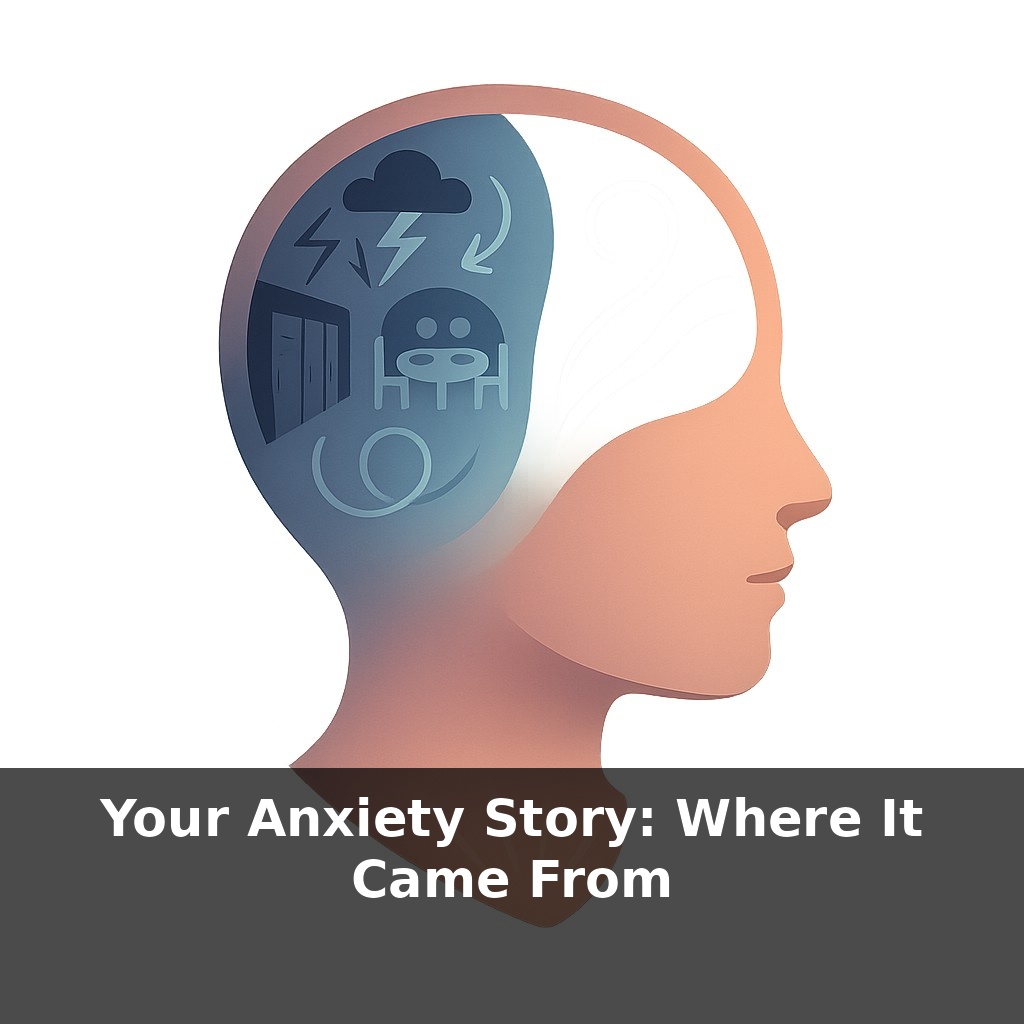
Right now, as you’re listening, your brain is quietly telling itself a story about danger—and you didn’t write the first draft. In one scene, it’s a school hallway. In another, a tense family dinner. Different moments, same script: “Something’s about to go wrong.”
Maybe that danger-script in your head feels personal, like proof that you’re weak, broken, or just “not built” for calm. But zoom out for a second: anxiety is staggeringly common—301 million people worldwide lived with an anxiety disorder in 2023. That doesn’t make your pain smaller; it makes the pattern clearer.
Your story likely started long before your first panic attack or sleepless night. Genetics can quietly tilt the odds. Early experiences can train your body to brace, the way a child who’s been burned learns to hover their hand over every hot stove. And over time, your brain may have started treating certain thoughts, places, or faces as warning labels.
This episode isn’t about blame—it’s about origins. When you can trace where your anxiety learned its lines, you gain leverage to start editing the script instead of just reciting it.
Some threads in that story are inherited: large studies suggest 30–50% of anxiety risk runs in families. Others get woven in through moments your body quietly logged as “never again”—a hospital stay, a harsh teacher, a parent who was rarely calm. Your nervous system doesn’t weigh fairness or logic; it tracks what felt intense, unpredictable, or unsafe, then upgrades its alarm settings. Over years, this can solidify into patterns: certain tones of voice spike your heart rate, specific places make your chest tighten, particular thoughts spiral faster than others. None of that is random; it’s learned—and what’s learned can be re-trained.
Some of your “anxiety story” is written in places you can’t see: inside cells, circuits, and split‑second body reactions. That doesn’t make it mystical; it makes it mechanical—and mechanics can be adjusted.
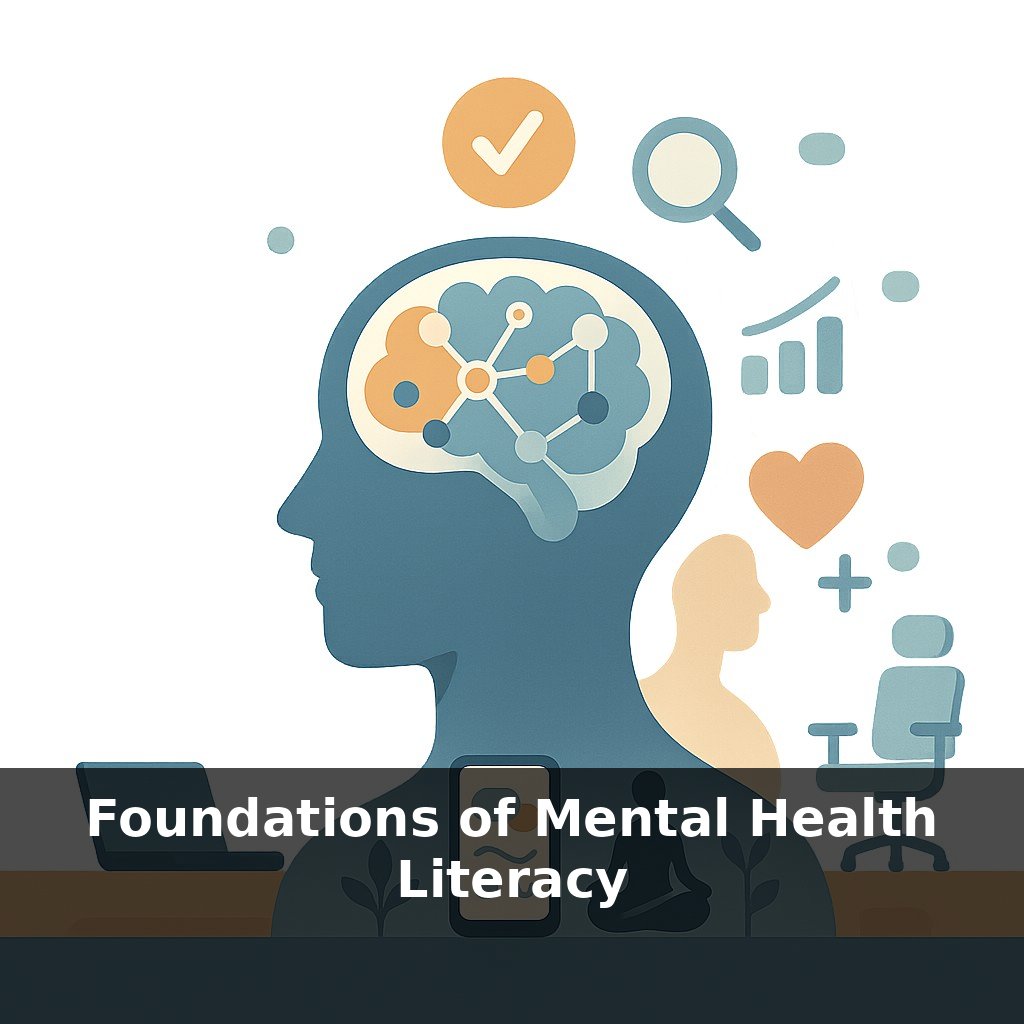
Start with your body’s alarm hardware. Deep in your brain, regions like the amygdala scan for threat in milliseconds, long before you consciously “decide” how you feel. Nearby, the hippocampus tags context: here is where that argument happened, there is where you froze during a presentation. When similar sights, sounds, or even smells show up years later, those areas can quietly light up, nudging your whole system toward “brace yourself.”
Over time, repeated alarms don’t just feel intense; they leave physical traces. Circuits that fire together wire together. If your body has spent years pairing a racing heart with disaster (“I’ll faint,” “I’ll embarrass myself”), the link between those sensations and fear grows thick, like a well‑used path through grass. Meanwhile, the prefrontal cortex—the part that reasons, weighs evidence, and says “hang on, are we actually in danger?”—can get drowned out when alarms are frequent or loud.
Layered on top of that is how you *interpret* what happens inside you. Two people can have the same jolt of adrenaline. One calls it “proof I’m not coping.” The other calls it “my body getting ready.” Same physiology, radically different story, very different spiral. This is where patterns of thinking—catastrophizing, all‑or‑nothing conclusions, “I *always* mess this up”—start to cement. They’re not random flaws; they’re often clever strategies that once helped you anticipate pain or criticism, now over‑applied.
Here’s the hopeful part: those same brain systems are plastic. Exposure work can gradually teach the amygdala, “We can feel this and be okay.” New ways of describing your sensations (“my chest is tight *and* I can still speak”) begin to strengthen quieter, steadier pathways. You’re not erasing your past, but you are updating the equipment it installed.
Maybe your “fear template” shows up in oddly specific places: you’re fine on a busy street but shaky in quiet meetings; you’re calm during big crises yet panicky when your phone rings. Those quirks can be clues to the scenes your nervous system highlighted years ago. One person’s body tenses every time they hear footsteps in a hallway, without knowing why—until they remember a time a slammed door meant trouble. Someone else feels their stomach drop when a message ends with “We need to talk,” echoing old breakups or evaluations.
Think of a medical chart where each symptom has a line back to an earlier note. Many current reactions have “previous entries”: a sharp tone linked to criticism, a delayed text linked to abandonment, a sigh linked to disappointment. None of this means you’re doomed to repeat those entries, but it does mean your system is being consistent, not random. Tracing those consistencies—where, when, and with whom your body overreacts—can reveal the hidden chapters of your anxiety story.
In the next decade, your “anxiety story” may come with data footnotes. Wearables could flag rising tension the way a weather app warns of storms, nudging you to breathe or step away *before* you feel overwhelmed. Therapists might use brain‑scan “before/after” images the way dentists show X‑rays, helping you see change, not just feel it. Schools and clinics could blend this data with your history to offer highly personalized care—raising ethical questions about privacy, consent, and who gets access to these tools.
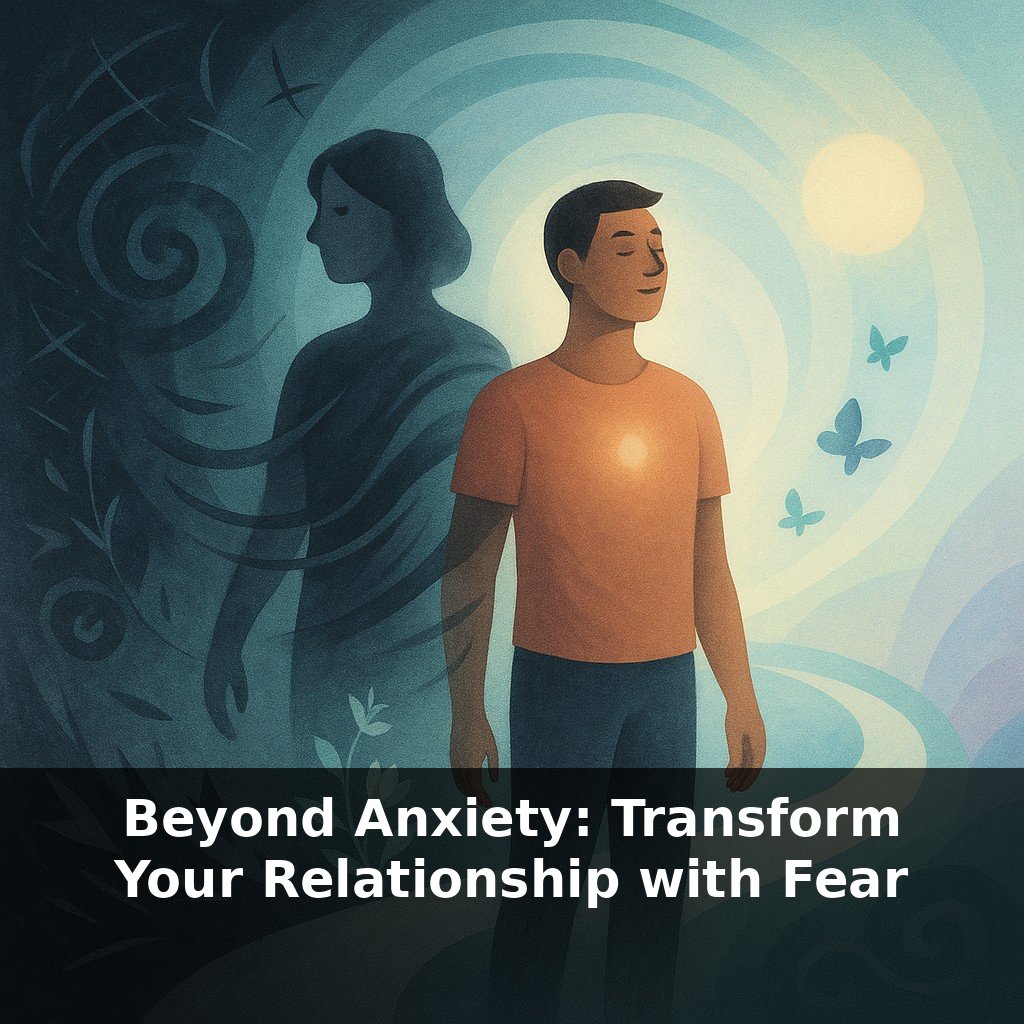
Your anxiety story doesn’t need a dramatic plot twist to change; it shifts through small, consistent edits. Each time you name a trigger, stay present through a surge, or choose a kinder thought, you’re nudging the story in a new direction. Like tending a garden, tiny daily tweaks—pulling one weed, planting one seed—can, over time, transform the whole landscape.
Before next week, ask yourself: 1) “If my anxiety had a ‘first chapter,’ what’s the earliest memory where my body started reacting this way—where I felt the same tight chest, racing thoughts, or urge to escape that I feel now?” 2) “Whose voice or expectations show up inside my anxiety story—parent, teacher, coach, boss—and what specific message do they keep repeating in my head?” 3) “When my anxiety flares today, what *exact situation* tends to trigger it (conflict, being watched, making mistakes, feeling out of control), and how is that situation connected to those earlier chapters of my story?”