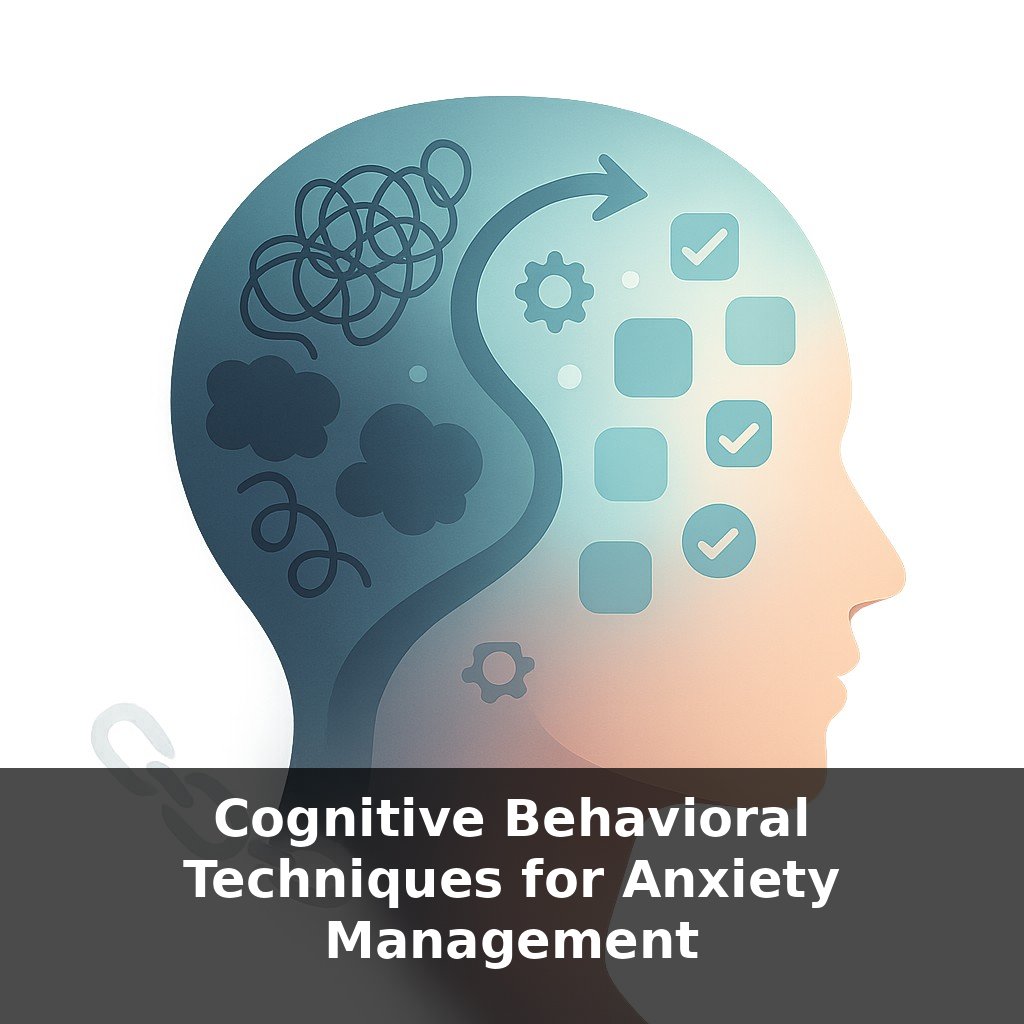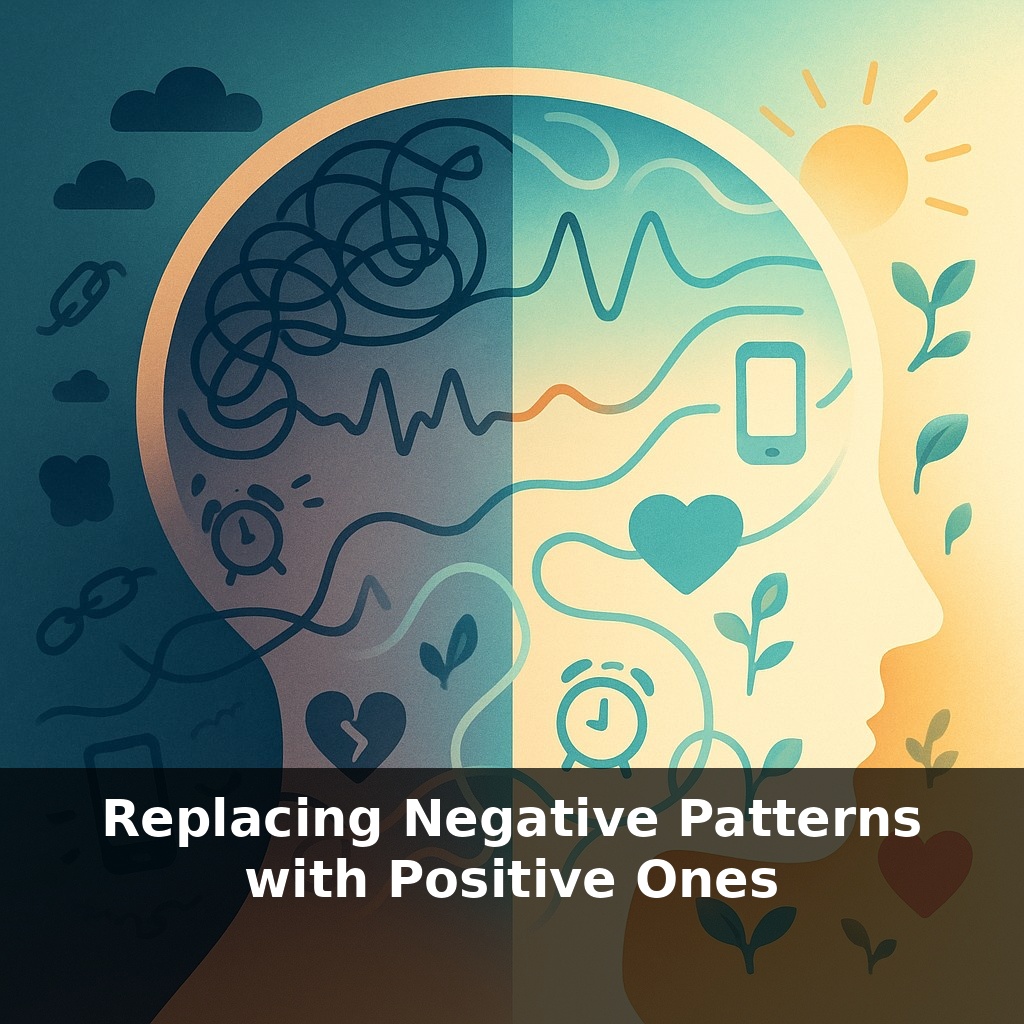
Your brain reuses yesterday’s thoughts like leftovers—research suggests nearly half your daily actions run on habit. You catch yourself in the same argument, the same late‑night scroll, the same self‑criticism…and still feel surprised. If it’s all learned, why does it feel so permanent?
Here’s the twist: your “worst patterns” aren’t moral failures, they’re solutions your brain once filed under “this kind of works—keep using.” Snapping at your partner may have started as a clumsy way to feel in control. Overcommitting at work might have once protected you from criticism. Even that late‑night spiral of self‑blame can function like a warped safety blanket—familiar, predictable, weirdly soothing.
What changes everything is this: you don’t have to erase these patterns; you can *promote* new ones into their place. Instead of waging war on anger, people‑pleasing, or worry, you give your brain a better script to run when those old cues show up. In this episode, we’ll look at how evidence‑based tools like CBT, mindful awareness, and reinforcement can help you quietly swap out the old “default settings” for responses that actually serve the life you’re trying to build.
Think of this episode as moving from diagnosis to renovation. We’re not just noticing “Huh, I do that a lot”; we’re getting curious about *when*, *where*, and *what happens right before* those patterns kick in. Your brain loves predictability, so it quietly pairs certain cues—like a tone of voice, time of day, or bodily tension—with the same old response. That’s good news: if there’s a cue, there’s also an opening. We’ll zoom in on those critical few seconds, and start designing tiny replacement moves that feel doable on a Tuesday afternoon, not just inspiring in theory.
Here’s the counterintuitive move: instead of asking “How do I stop doing this?”, start asking “What *job* is this pattern trying (badly) to do for me?” Most repeat behaviors are serving a function—soothing, numbing, protecting, avoiding, rewarding. If you only rip them out, you leave the job vacancy open…so the same pattern, or another unhelpful one, rushes back in.
CBT research backs this up: patterns stick not because they’re logical, but because in the short term they *work* at something. A harsh inner critic might be clumsy self‑motivation. Doom‑scrolling might be crude stress relief. Procrastination might be temporary anxiety control. When you understand the function, you can design a replacement that does the same job with fewer side effects.
Here’s where the habit‑loop idea gets practical. Instead of wrestling with the whole pattern at once, you Zoom in on the *moment of choice*—often a tiny slice of time your brain rushes through on autopilot. For instance:
- You feel a jolt of anxiety before opening email: your usual move is to avoid and go to social media. - You sense tension during a disagreement: your usual move is to raise your voice or shut down. - You notice a pang of shame after a mistake: your usual move is to mentally replay every past failure.
The goal isn’t “be calm” or “think positive”—too vague, too big. You’re looking for a *specific alternate move* you can realistically pull off in 30–60 seconds under stress. Something like:
- Before opening email: stand up, exhale slowly for 10 seconds, then open just *one* message. - During conflict: drop your shoulders, lower your volume by one notch, and ask one clarifying question. - After a mistake: write a two‑sentence “balanced verdict” (what went wrong *and* one concrete thing you’ll try next time).
In nature, when a river keeps eroding the same bank, engineers don’t yell at the water; they gently redirect its course with small barriers and a new channel. Your brain is similar: you’re not forcing yourself to be a different person overnight—you’re placing tiny, deliberate “redirects” exactly where the flow usually turns. Over weeks of repetition, those micro‑choices accumulate into a new, sturdier route your mind starts favoring automatically.
You don’t have to overhaul your entire life to start this swap; you just need one tiny “test site.” Think of a single recurring situation where you usually walk away thinking, “Ugh, I did it again”—snapping in traffic, doom‑scrolling in bed, saying “yes” when you meant “no.” That’s your lab.
Pick one pattern and name the *exact* moment it begins. Not the whole argument or the whole evening, but the first tell: a knot in your stomach, a phrase you always say, the time you reach for your phone. Now, design a small, almost comically easy alternate move you’ll plug in *right there*.
A few examples: - When you catch yourself hovering over a shopping app, you pause long enough to ask, “What am I hoping this fixes *today*?” - When you hear your inner critic say “You always screw up,” you answer with, “Name one time I handled this okay.” - When you feel the urge to fill silence by agreeing, you buy three seconds by sipping water or taking a breath before responding.
As tech improves, pattern‑replacement may feel less like “working on yourself” and more like having a smart coach in your pocket. Personalized neurofeedback could flag early tremors of stress the way weather apps flag incoming storms, nudging you toward your chosen replacement behavior before the old loop ignites. But as insurers fund digital tools and platforms learn your triggers, the line between supportive guidance and quiet manipulation will blur, demanding clear consent and transparent design.
Change often starts quieter than you expect: a different word in an argument, a slower reply to a stressful text, a brief pause before you open another app. Over time, those small edits stack like bricks in a new staircase, lifting you toward a version of yourself that doesn’t just cope on hard days, but feels more like home on the good ones too.
Try this experiment: For the next three days, every time you catch your usual negative loop (like “I always mess this up” when you make a mistake at work), pause and literally say out loud, “Pattern spotted,” then replace it with one specific, opposite action you commit to immediately (for example, “I’m going to ask for feedback from Sam in the next 10 minutes”). Keep a simple tally in your phone of how many times you catch and flip the pattern each day. At the end of day three, compare: Are the negative spirals shorter or less intense, and did any of those opposite actions (like asking for help, starting the task, or clarifying expectations) change the outcome or how you felt?