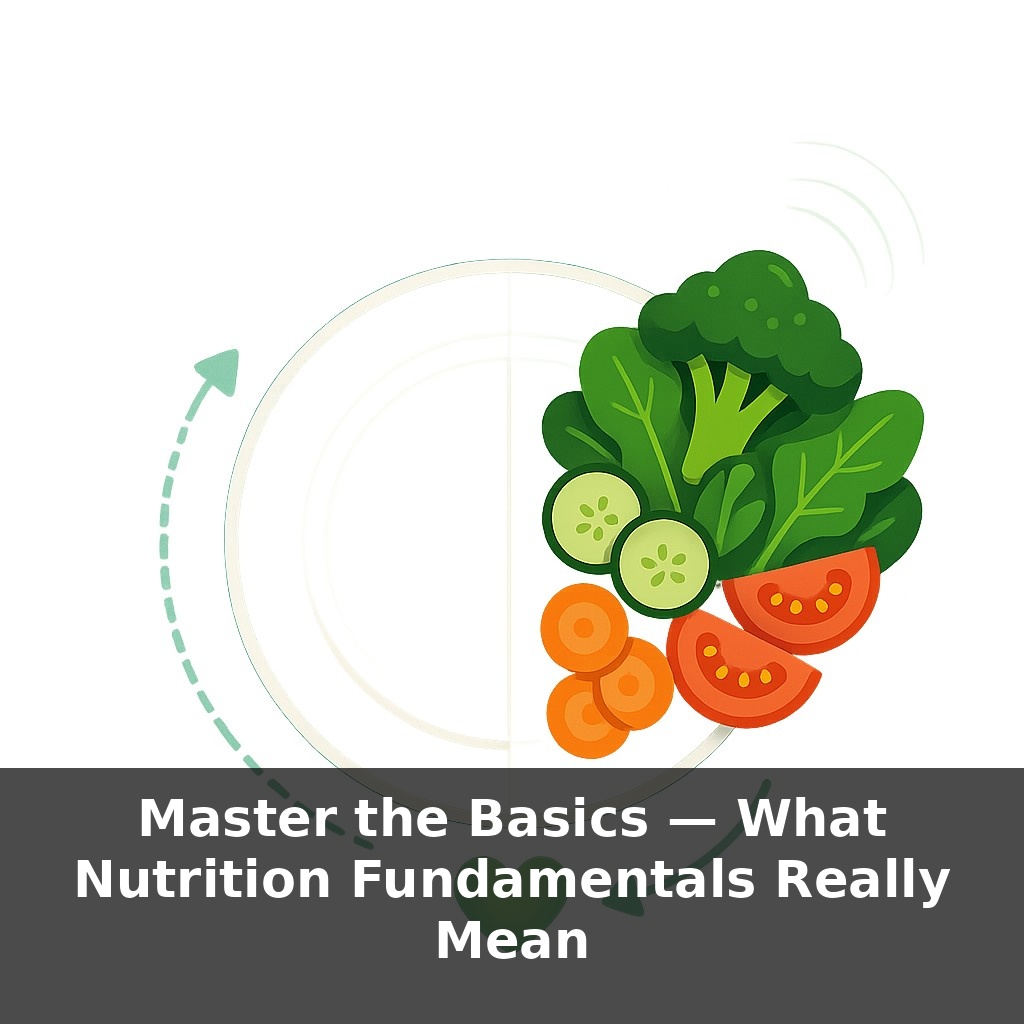
Master the Basics — What Nutrition Fundamentals Really Mean
📝 Transcript
Only about 1 in 10 adults eat enough vegetables—yet most people say they “eat pretty healthy.” You grab a smoothie, skip breakfast, or crush a salad at lunch and think you’re covered. You might be missing the real basics of nutrition while focusing on all the wrong details.
Nine out of ten adults are missing the mark on something as basic as daily veg, yet most nutrition conversations jump straight to carb grams, “clean eating,” or whether breakfast “boosts metabolism.” It’s like obsessing over the perfect playlist while your phone battery is at 2%.
The fundamentals of nutrition aren’t just a checklist; they’re a system. Energy balance affects how your body uses hormones. Fiber shapes your gut microbiome, which can influence mood and cravings. Protein timing changes how full you feel hours later. Hydration shifts your hunger signals and even your focus at work.
In this episode, we’re going to zoom out from single foods and “good vs bad” labels and look at how the basics actually interact in everyday life: the desk-lunch days, the late-night snack runs, the weekends that quietly undo your weekday structure.
So instead of chasing the next rule—no carbs after 6 p.m., eat six times a day, fast until noon—zoom in on *patterns*. What shows up in your real life: the “coffee as breakfast” mornings, the 3 p.m. snack raids, the late dinners after long commutes. That’s where the fundamentals quietly succeed or fail. Just like weather isn’t about a single rainy day but the climate across a season, your nutrition basics are about the trends across weeks: how often you hit protein, how regularly you get fiber, how default your ultra-processed options have become—often without you noticing.
Here’s the unglamorous truth: most of what moves the needle in nutrition happens *before* you’re hungry. Not in the moment you’re staring at a menu, but in the dozens of small defaults you’ve already set—what’s in your kitchen, what’s in your calendar, and what’s in your line of sight when you’re tired.
Start with where most people go off-course: ultra-processed foods. They’re engineered to be easy to overeat—soft textures, blitzed grains, added sugars, and flavor combos that rarely occur in whole foods. That doesn’t make them “evil,” but it does mean that if they’re your automatic choice at breakfast, snacks, and dinner, you’re fighting an uphill battle on cravings, portions, and long-term health risk. The research linking high intake of these foods to obesity and cardiometabolic disease isn’t about one cookie; it’s about a diet where these foods quietly crowd out everything else.
Now zoom in on what typically gets crowded out: whole grains, legumes, nuts, seeds, and fruit. These are the workhorse foods that quietly cover a lot of bases at once—macros, micronutrients, and fiber—without you needing a spreadsheet. A bowl that combines beans, intact grains, veggies, and a source of healthy fat? You’ve just hit several fundamentals in one shot and bought yourself some flexibility for the rest of the day.
This is where “balanced macronutrients” becomes practical instead of abstract. Most people underestimate how low their protein and fiber are at the meals where they feel least in control—usually breakfast and late-evening eating. A pastry-and-latte morning or a chips-and-ice-cream night isn’t just “bad”; it’s a pattern of low protein, low fiber, and calorie-dense, ultra-processed fat and starch. That combo makes it much easier to overshoot daily energy needs without feeling particularly satisfied.
Think of how a good clinician practices medicine: they don’t chase every symptom; they stabilize the basics—airway, breathing, circulation—then refine. Your dietary “ABCs” are: reliable protein across the day, mostly minimally processed carbs, and fats that skew toward unsaturated sources like olive oil, avocado, nuts, and fish. Once those are steady, timing tweaks or occasional indulgences matter a lot less, because your baseline is doing most of the protective work for you.
Think of your day like a simple “nutrition timeline.” Early on, many people start with a sugary coffee and maybe a snack at their desk. By noon, you’re chasing steady energy that never really shows up, so lunch becomes about speed, not substance. Then late afternoon hits and cravings feel random, when they’re really your body nudging you to backfill what’s been missing for hours.
Now zoom in on real plates, not nutrients. A quick example: swap a grab-and-go muffin for yogurt with berries and nuts. Same “I’m in a rush” situation, but now your next meeting doesn’t come with a side of brain fog. Or trade a takeout burger-and-fries dinner for a burrito bowl with beans, veggies, and guac—still comforting, still familiar, but built differently under the hood.
Notice how none of this depends on perfection. It’s about tipping the average. One upgraded breakfast, one more satisfying afternoon snack, one dinner that isn’t straight from a box—that’s how your “normal” starts to change.
Mastering the fundamentals now is like upgrading your phone’s operating system before new apps arrive: everything runs smoother, and bad software is easier to spot. As nutrigenomics, wearables, and real-time blood markers go mainstream, you’ll see hyper-personalized “eat this now” nudges and color-coded meal scores. Without a solid base, those tools become noise. With it, you can treat new data as a compass, not a dictator—using feedback to fine-tune, not constantly overhaul, how you eat.
When you treat meals like recurring meetings instead of one-off emergencies, your routine starts quietly reshaping your health. Basics handled most of the time free you to enjoy the outliers—a festival, a date night—without spiraling. Your challenge this week: choose one meal you usually wing, and script a “default version” that future-you can rely on.
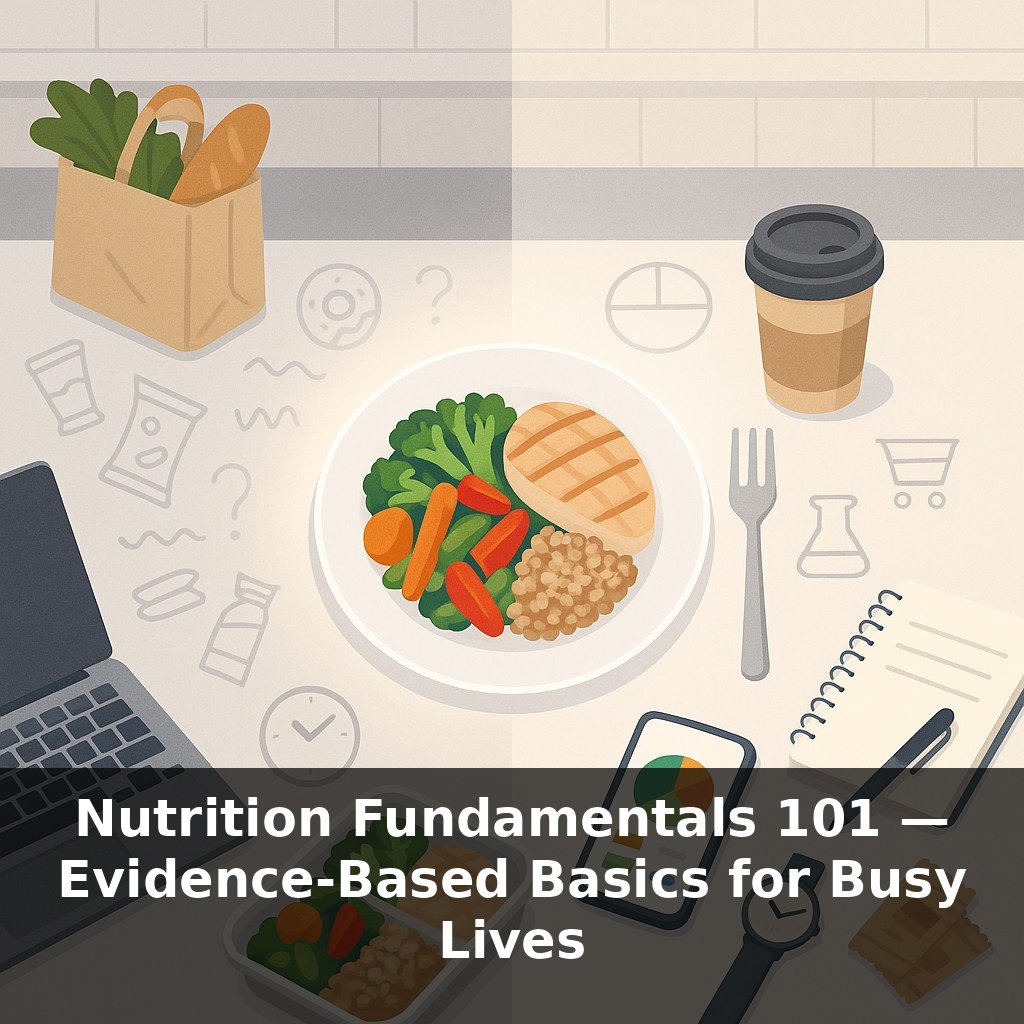
Unlock all episodes
Full access to 10 episodes and everything on OwlUp.
Subscribe — $1.99/monthLess than a coffee ☕ · Cancel anytime