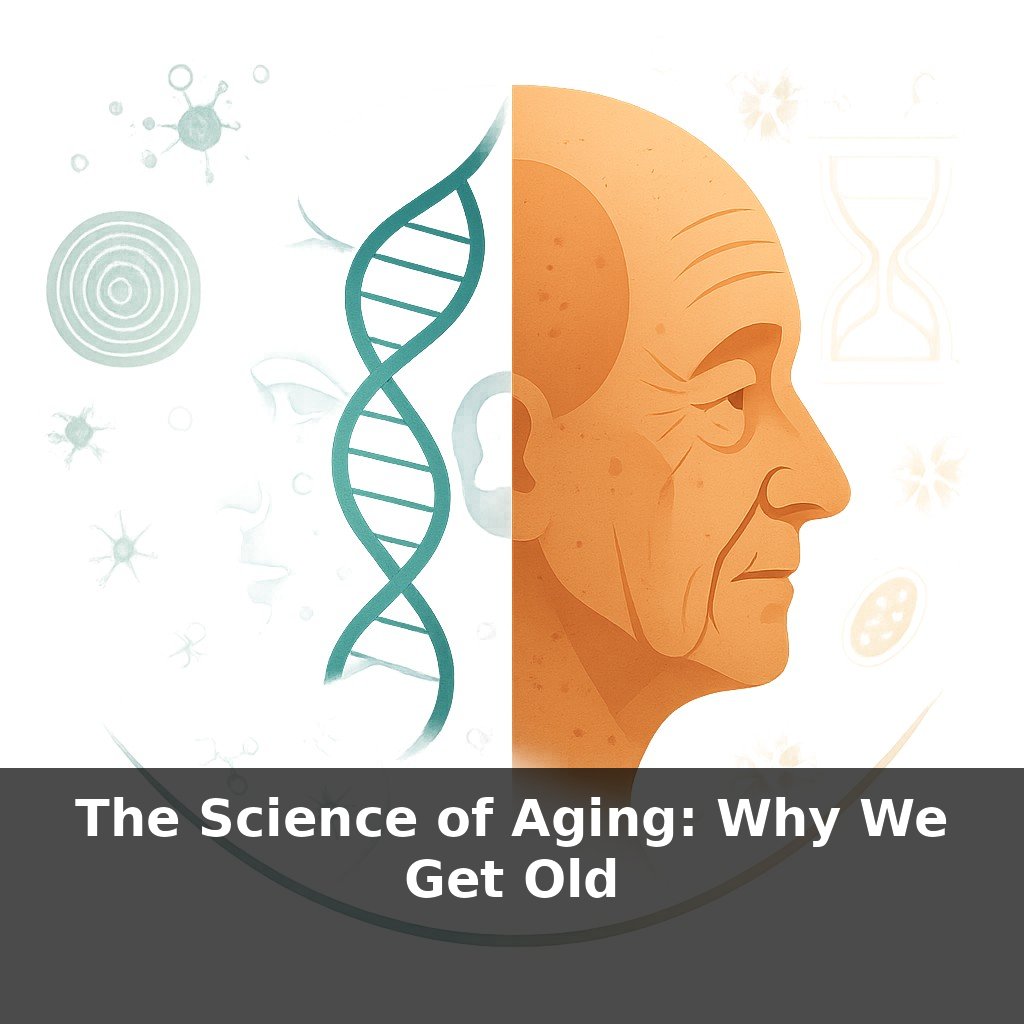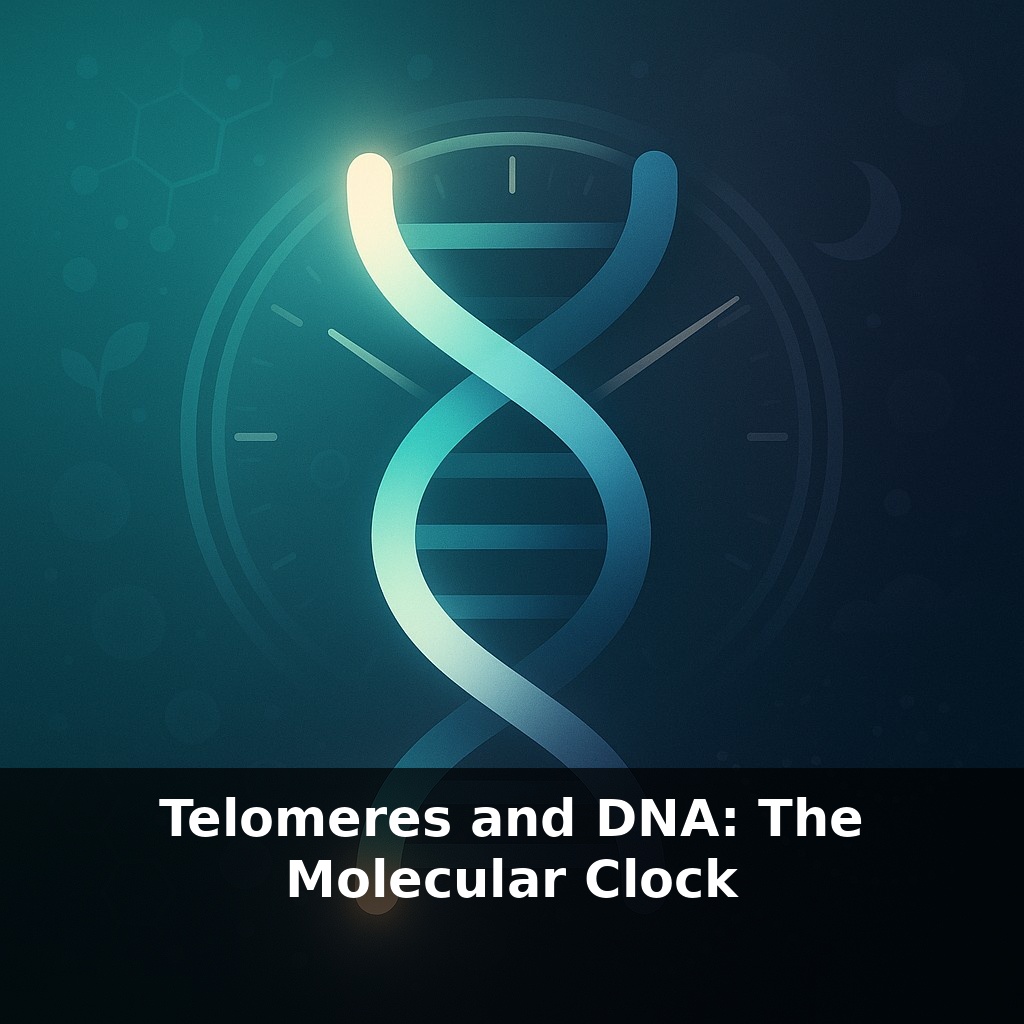
Your body carries a built‑in countdown clock—written into your DNA. In one scenario, that clock slows aging and keeps tissues young. In another, it silently helps cancer cells live almost forever. Today, we’re stepping right into the tension between those two futures.
That molecular clock doesn’t tick at the same pace for everyone. Stress, sleep, pollution, nutrition, even your childhood environment can subtly nudge it faster or slower—long before you notice anything in the mirror. In lab studies, people exposed to chronic stress often show shorter telomeres than unstressed peers of the same age, a biological “age gap” that standard checkups can miss. Elite endurance athletes, some meditators, and people with strong social support sometimes show the opposite trend. Telomere length has even become a kind of scientific “credit report” in research, hinting at your history of cellular wear and tear. It’s not destiny, but it is data: a readout scientists can track as they test lifestyle changes, drugs, and gene‑targeted therapies aimed at bending the trajectory of how we age from the inside out.
Researchers now treat telomere length as one piece of a much bigger aging dashboard, alongside inflammation markers, blood sugar patterns, and epigenetic “age” tests. Each offers a slightly different view of how your history is written into your cells. Telomeres respond not only to how often cells divide, but also to oxidative damage, immune activation, and even how quickly your body bounces back after illness. That makes them especially interesting for understanding resilience: two people with the same calendar age and diagnosis can have very different telomere profiles—and often, very different outcomes.
Telomeres sit at an awkward crossroads: they’re both guardians and saboteurs, depending on context. To see why, zoom in on a single cell facing damage. It has options. With plenty of remaining “buffer” at its chromosome ends, it can safely divide to replace lost neighbors. But as that buffer erodes, the same division signal starts to look risky. Short ends trigger alarm systems—p53 and other checkpoint proteins—that force a choice between three paths: pause and repair, retire into senescence, or self‑destruct.
Senescent cells are especially interesting for aging. They don’t divide, but they don’t quietly disappear either. They change personality: metabolism rewires, and they begin secreting a stew of inflammatory signals, growth factors, and enzymes that chew up surrounding tissue. A few of these “zombie” cells can be helpful during wound healing or embryonic development. Let them accumulate, though, and they can distort tissue structure, interfere with stem cells, and nudge nearby cells toward dysfunction—or even malignancy.
This is where the paradox deepens. Telomere‑driven senescence probably evolved as a tumor‑suppressor strategy: once a cell has divided many times and collected potential mutations, shutting it down lowers the odds it turns cancerous. But if too many cells hit this wall too quickly, organs lose regenerative capacity. If too few ever reach it—because telomerase has been re‑enabled—then damaged cells can keep dividing, stacking up mutations until one cracks the code for uncontrolled growth.
Real‑world data reflect this tightrope. People with inherited telomerase deficiencies often develop bone‑marrow failure, lung fibrosis, or liver disease decades early; their tissues simply can’t renew. On the flip side, mice engineered with hyperactive telomerase show improved tissue maintenance when they’re young—but also a higher tendency to develop tumors unless other safeguards are strengthened.
Think of it more like tuning the gain on an audio system than flipping an on/off switch: too low, and important signals fade; too high, and you get deafening feedback that can wreck the whole setup. Scientists now suspect that future therapies will need that kind of fine‑grained control—cell‑type specific, time‑limited, and paired with enhanced surveillance for emerging cancer cells—rather than a universal boost.
In practice, this trade‑off shows up in very concrete ways. In blood, for example, rapidly dividing immune cells hit their division limits earlier than slow‑cycling brain cells. That’s one reason long‑term infections, obesity, or autoimmune disease—conditions that keep defenses chronically switched on—can be linked with higher rates of cardiovascular and metabolic problems years later. Bone‑marrow stem cells that have burned through their replicative “budget” struggle to replenish red cells and platelets after chemotherapy or major surgery, so two patients of the same age can recover very differently. Athletes who periodize training, alternating hard blocks with genuine recovery, often maintain more adaptable immune responses than those who train intensely without breaks. Researchers are now testing whether similar “pulsed” patterns—short bursts of telomerase activation, or timed senolytic drugs that cull worn‑out cells—might preserve resilience without handing precancerous clones a permanent advantage.
If researchers learn to “edit the timer,” medicine could shift from treating failures to tuning risk, organ by organ. A future checkup might report your “hematopoietic reserve” or “lung renewal margin,” like a car’s remaining brake‑pad thickness. Trials are already probing brief telomerase pulses, senolytics, and reprogramming cycles. The open question isn’t just how far we can push lifespan, but how much early‑life damage we’ll still tolerate once such levers exist.
The real frontier may be how your daily choices “talk” to these chromosomal timers. Early studies hint that sleep, fasting windows, temperature swings, and even air quality can subtly sway repair pathways. Your challenge this week: pick one lever—sleep, food timing, or movement—and nudge it gentler, as if you were lowering background noise on a very long recording.