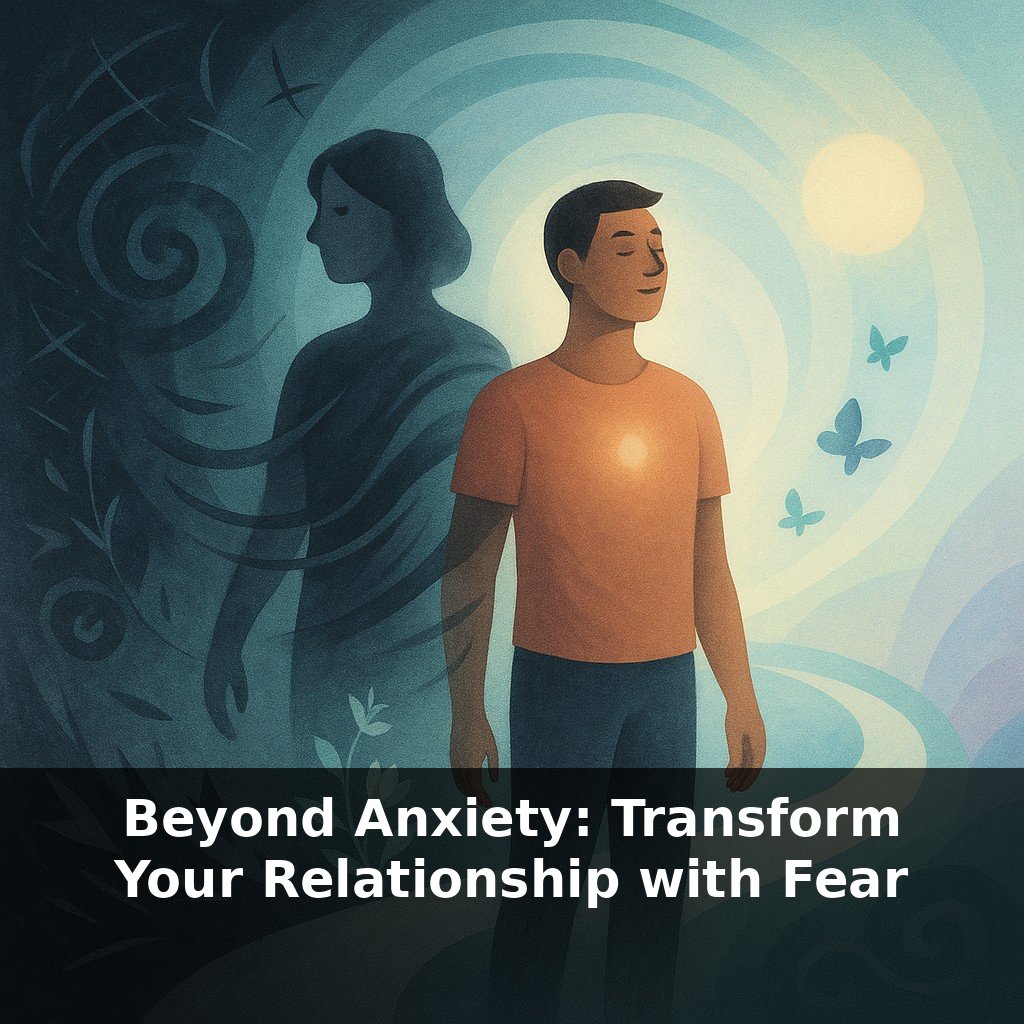
About one in every sixteen people will meet criteria for an anxiety disorder, yet almost none will be told a simple truth: your life doesn’t start “after anxiety is gone.” It starts the moment anxiety stops steering your choices and becomes background noise instead.
A strange thing happens when people stop fighting their nerves and start getting curious about them: life gets bigger, even if discomfort doesn’t vanish. Modern therapies don’t promise a perfectly calm mind; they aim for a more flexible one. Instead of asking, “How do I get rid of this feeling before I move forward?” they ask, “How can I move forward while this feeling is here?” That shift sounds small, but research shows it changes outcomes in work, relationships, and health. Think of someone who still feels a quick jolt before speaking up in meetings, yet volunteers for projects aligned with their values anyway. Or the parent whose heart still races at school events, but shows up because connection matters more than comfort. In both cases, anxiety may still visit, but it no longer gets the final vote on how their day—or their life—unfolds.
Many people quietly wait for a future version of themselves who “finally feels ready” before making a move—changing jobs, dating again, speaking up, trying something creative. But that future often never arrives, because the mind keeps raising the bar for what “ready” means. Acceptance-based approaches flip this script: they start from where you are, with the thoughts and sensations you already have, and ask what kind of life you want to build from here. Clinical trials show that when people practice acting on values instead of waiting for perfect conditions, their worlds expand long before their feelings catch up.
Clinical psychology doesn’t aim to make you fearless; it aims to make you *freer*. One way it does this is by helping you separate three things that your mind usually mashes together into one: what you *feel*, what you *think*, and what you actually *do*.
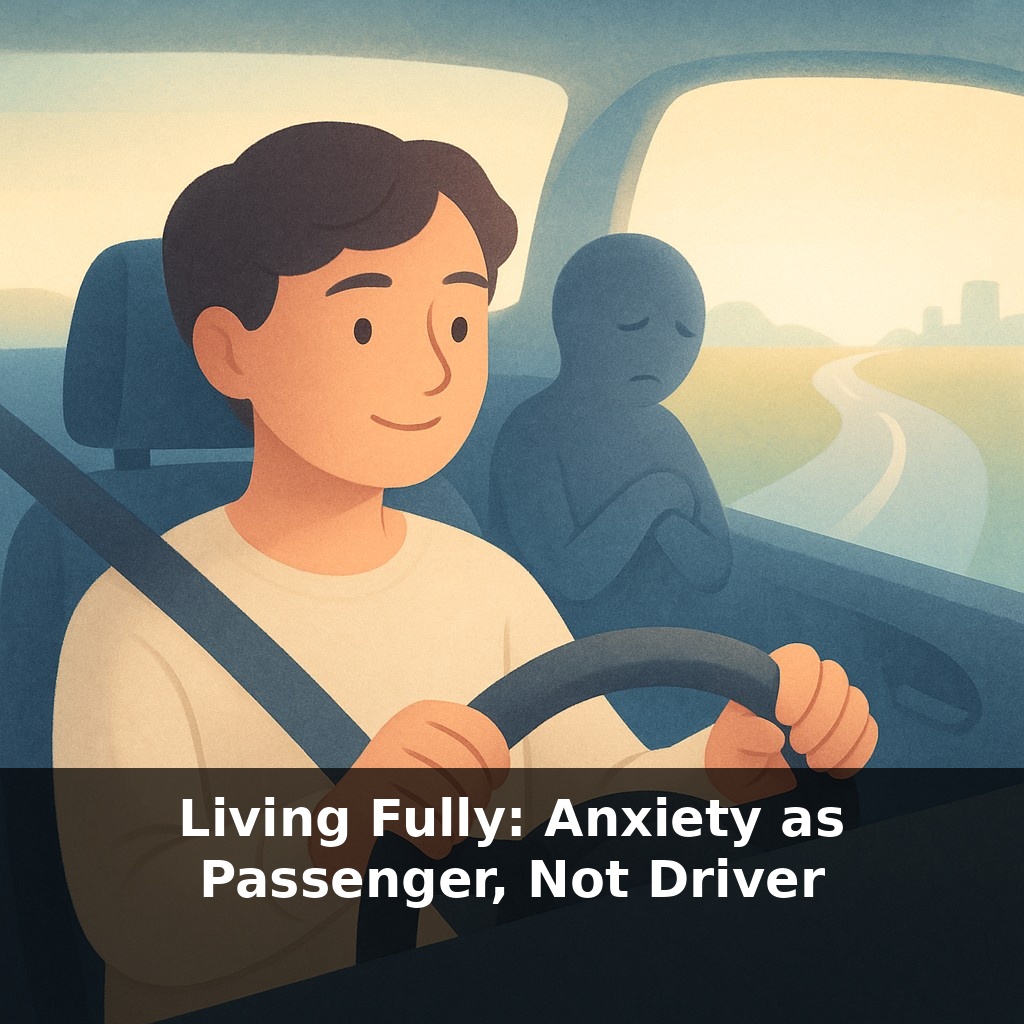
When those blend into a single lump—“I feel scared, so I *am* unsafe, therefore I *must* avoid”—anxiety silently takes the wheel. You cancel plans, delay emails, decline opportunities, not because you consciously chose “smaller life,” but because it felt like the only honest option. Acceptance-based work starts by pulling these strands apart so you can see them more clearly in real time.
Research on approaches like ACT shows that people who learn to label inner events (“there’s a worry,” “there’s tension in my chest”) gain what’s called *psychological flexibility*: the capacity to notice discomfort and still choose a direction that matters. That flexibility—not symptom level alone—predicts long-term outcomes like staying in work, maintaining relationships, and following through on health goals.
You can watch this process in everyday micro-moments:
- You feel a spike of dread before opening your inbox, but you still click and respond to the one message that truly matters today. - Your mind throws “What if I sound stupid?” before you speak, but you add your perspective because contribution ranks higher than approval. - Your body tightens before a difficult conversation, yet you name the issue calmly instead of postponing again.
Importantly, *none* of these require you to like the sensations involved. Acceptance here means, “I’m willing to have this experience in the service of something bigger,” not “This feels good.”
A helpful way to test whether anxiety is in the driver’s seat is to notice patterns across situations: do your choices consistently move toward comfort or toward what you care about? Over weeks and months, even small, value-consistent actions compound into a different trajectory: new skills, deeper bonds, bolder projects.
This is why studies find that people who connect their goals to personal values are more likely to maintain gains a year later: they aren’t just chasing relief; they’re building a life worth feeling uncomfortable for.
A surgeon’s hands can shake slightly before a high-stakes procedure, yet the checklist still gets followed, the incision is made, the work continues. The goal isn’t to erase the tremor; it’s to make sure the protocol, not the pulse, guides each move.
You can treat your own day the same way. Before a tough email, your checklist might be: draft one honest paragraph, add one concrete request, press send within ten minutes. The sensations in your body can fluctuate wildly; the steps stay the same.
Or think of someone training for a 5K who notices their chest tightening at the start line. Instead of stepping off the track, they adjust: slow the first kilometre, focus on pacing, keep moving toward the finish. The “win” is not running without discomfort, but running *with* it toward something chosen.
Across areas of life, this shift shows up in small, specific moves: the student who joins the study group even while doubting their intelligence, the manager who keeps the meeting on the agenda despite a restless night, the friend who attends the gathering but decides in advance to stay only an hour.
Soon, you may practice these skills with tools that sit quietly in your pocket or on your wrist. Apps could spot patterns in your sleep, heart rate, or scrolling and nudge you—“Tiny fork in the road here, want to choose?” Classrooms might treat emotional skills like literacy, weaving short drills into maths or history. Workplaces could reward showing up for hard conversations the way they reward hitting deadlines, treating courage as a core competency, not a private hobby.
Anxiety may still tap your shoulder, but it doesn’t have to rewrite your day. Over time, each small choice that honours what matters—sending the application, joining the call, lacing up your shoes—stacks like bricks. You’re not building a silent mind; you’re building a sturdier life, one where worry can knock and you keep answering your own door.
Try this experiment: Tomorrow, deliberately schedule one “anxiety ride-along” activity—a 10‑minute walk, phone call, or task you usually avoid because it spikes your anxiety—and do it *without* trying to feel calmer first. Before you start, say out loud, “Anxiety, you can come with me, but you’re not driving,” then rate your anxiety from 1–10. Do the activity anyway, letting the anxiety be background noise, and rate your anxiety again right after and 10 minutes later. Compare the three numbers and jot a one‑sentence note about what actually happened versus what your anxiety predicted.