Right now, your body already holds a built‑in anxiety off‑switch—and most of us never touch it. A single style of breathing has been shown to calm people faster than standard meditation. So how is it that changing just a few breaths can rewrite your whole stress response?
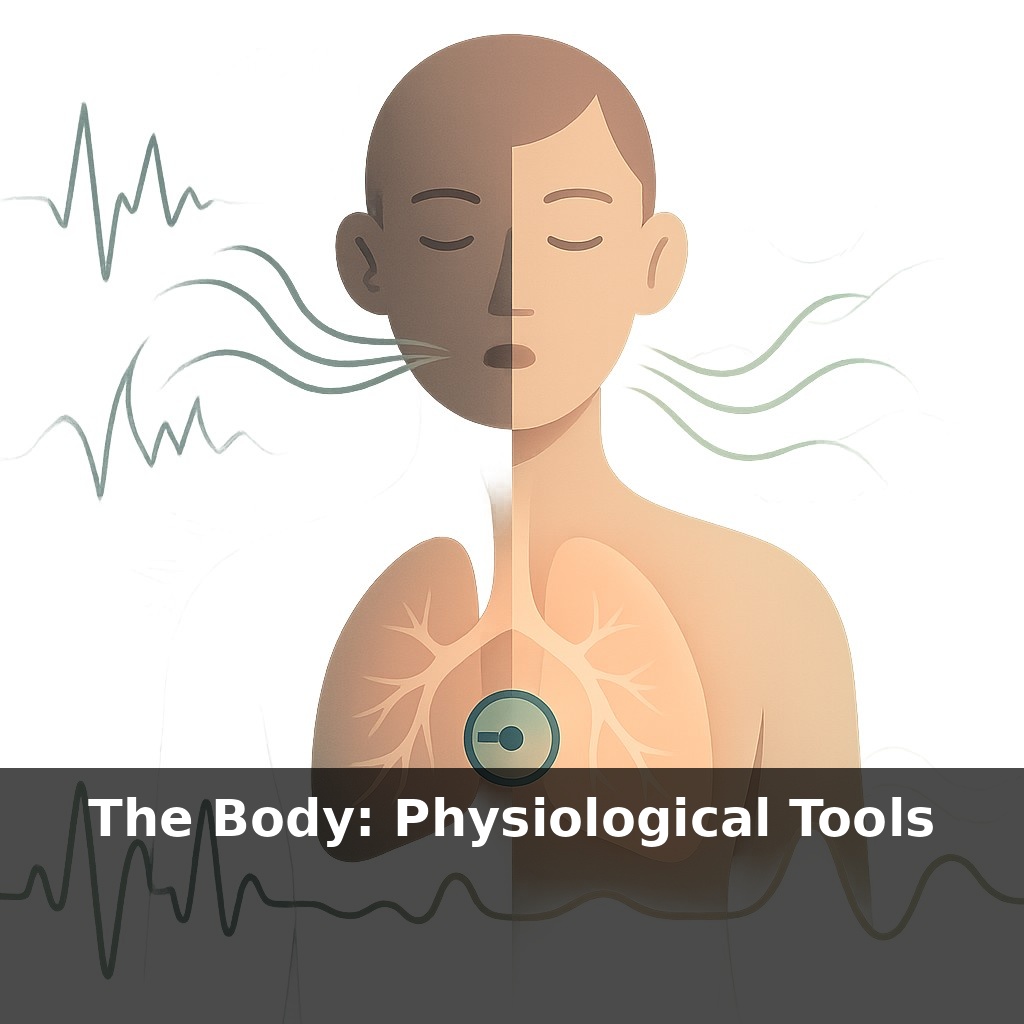
Anxiety isn’t just “in your head” – it’s in your pulse, your muscles, your breath, your gut. While your thoughts race, your body is running its own emergency drill: heart speeding, shoulders tensing, jaw clenching. Most people respond by arguing with their thoughts, but skip the one thing they can reliably influence: the body itself.
In this episode, we lean fully into the physical side of anxiety. You’ll see how specific tools like slow breathing, progressive muscle relaxation, and brief “physiological resets” can shift your body out of crisis mode even when your mind still feels loud. Think of it as learning to read your body’s dashboard: heart rate, tension, breathing pattern, and using simple, repeatable tools to tweak those dials in real time—during a meeting, on the train, or at 3 a.m. when your brain won’t let you sleep.
Anxiety’s body signals can feel random—heart racing one day, tight chest the next—but underneath, there’s a pattern you can map and influence. Research shows specific physiological tools don’t just make you “feel calmer”; they measurably shift heart rate, blood pressure, and even stress hormones in predictable ways. That means you’re not guessing; you’re running small experiments on a very responsive system. Like adjusting seasoning while cooking, tiny tweaks in breath rate or muscle tension can change the whole “flavor” of your internal state—especially when you practice them before you’re overwhelmed.
Here’s where we zoom in from “tools” to very specific knobs you can turn.
First, breathing. Not “take a big breath,” but “change the rhythm.” Studies show that around 6 breaths per minute—about 5 seconds in, 5 seconds out—can lower systolic blood pressure by roughly 10 points in just 10 minutes. That’s not a vibe; that’s a cardiovascular shift you could see on a monitor. Notice what’s missing there: heroic effort, perfect posture, special apps. The critical piece is consistency of pace and especially not rushing the exhale.
A closely related variation is the physiological sigh: two short inhales through the nose, one long, unhurried exhale through the mouth. Five minutes of this beat standard mindfulness for cutting state anxiety in one Stanford study. It’s short enough to do in a bathroom stall before a presentation, between back‑to‑back calls, or when you wake at night already wired.
Then there’s muscle tension. When your shoulders creep toward your ears or your jaw locks, your brain quietly updates its threat level upward. PMR flips that signal. The research on nursing students is striking: 20 minutes a day for eight weeks didn’t just make them “feel better”; it lowered cortisol by about a quarter. That’s a hormonal reprogramming of how their bodies ride out daily stress.
Military research gives another angle: box breathing—4‑second inhale, 4‑second hold, 4‑second exhale, 4‑second hold—improved shooting accuracy under pressure by roughly 40%. In other words, these aren’t spa tricks; people use them when outcomes matter.
Think of your parasympathetic system like a well‑trained anesthesiologist in an operating room: when the “dose” of arousal gets too high, these patterns are how you signal, “Time to bring things down—carefully, not all at once.”
What matters most is pairing the right knob with the right moment. Wired and agitated but still moving? Emphasize longer exhales. Frozen and tense? Short PMR sets can unlock mobility. Needing focus under pressure? That’s where something like box breathing shines: calm, but not sleepy.
Over time, you’re not just learning techniques; you’re building a menu. The goal isn’t never feeling keyed up—it’s knowing, in your body, that there’s always a lever you can pull.
In practice, these tools end up looking less like “exercises” and more like small, timed interventions woven into your day. Think of a software engineer who notices their shoulders climbing during a code review. Instead of waiting until burnout hits, they quietly run through a 60‑second shoulder–jaw release under the desk, then slip into three rounds of that double‑inhale, long‑exhale pattern between comments. No one sees it, but their typing steadies and their tone softens.
Or a nurse walking out of an intense room who can’t take a full break. They choose one hallway’s length to scan for clenched areas—hands, throat, belly—and deliberately soften just those, like flipping off unneeded switches in a hospital at night.
These micro‑sessions don’t replace longer practices; they stitch together a different baseline. Over weeks, you start recognizing earlier “tells”—a tight tongue, a shallow top‑chest breath—and pairing each with its own brief reset, like developing a personal protocol list.
A few years from now, you may not “remember” to use these tools—your devices may quietly nudge you first. Rising arousal could trigger a tap on your wrist, then a tailored breath cadence or tension‑release script that adapts in real time, like a coach whispering adjustments courtside. VR scenes might shift with your heartbeat, dimming or brightening as you settle. Your challenge this week: notice where a just‑in‑time cue like that would have changed your day.
As you experiment, treat your body less like a problem and more like a lab partner: curious, responsive, full of data. Some days the “brakes” will catch quickly; other days, they’ll feel slow. That’s still progress. Over time, you’re not chasing perfect calm—you’re learning fluent, moment‑to‑moment collaboration with yourself.
Here's your challenge this week: Each day for the next 7 days, do one 5-minute "physiology reset" block using tools from the episode: 3 rounds of physiological sighs (double inhale through the nose, long exhale through the mouth), followed by 2 minutes of nasal breathing while walking, and finishing with 2 minutes of deliberate cold exposure (cool shower or cold face rinse). Do this at a consistent time (morning or midday), and rate your stress level from 1–10 immediately before and 5 minutes after each session. At the end of the week, compare your notes and decide whether to keep this exact protocol, increase the cold exposure by 30–60 seconds, or add a second 5-minute block on your highest-stress day.